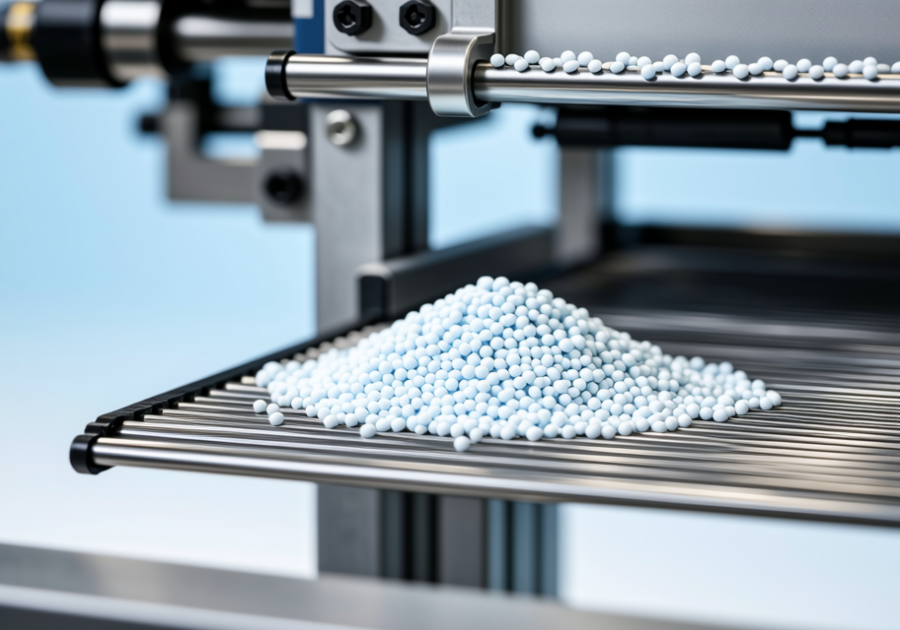
The natural concept prevails. Will plant soft capsules replace gelatin?
Plant soft capsules are an important medicinal packaging material. According to investigations and studies by relevant institutions, in 2015, the domestic output of hollow gelatin capsules reached 100 billion capsules. The global demand for hard capsules was 1.5 trillion capsules/year, and soft capsules reached 70 billion. Grains/year, the global market totals nearly 100 billion RMB. From 2014 to 2018, the compound growth rate of global plant soft capsule production was 7.1%. According to QYR survey results, the total value of the global vegetable soft capsule market reached 2.9 billion yuan in 2018, and it is expected to grow to 4.4 billion yuan in 2025. The growing market demand for vegetable soft capsules is mainly due to the growing consumer demand for healthier products in the downstream market.
What is the difference between vegetable soft capsules and gelatin?
Plant soft capsules are made of natural plant cellulose water-soluble polysaccharides as raw materials, and the contents are wrapped and sealed. The gums are mostly plant extracts instead of gelatin. Plant soft capsules have irreplaceable advantages in terms of source of raw materials, stability, safety and health maintenance.
Gelatin is an animal protein component extracted from the connective tissues of pigs, cattle, and sheep, such as skin and bones. Gelatin has been used in capsule products for more than one hundred years, and the technology has matured. Currently, soft capsule products on the market Most of them are made of gelatin materials. With the development of society, consumers have higher and higher requirements for food and health food, and the differences in product needs of different consumer groups have become more and more obvious. The advocacy of plant and natural concepts has given birth to the research and development of plant soft capsule products. And innovation.

You May Interested In


High Quality β-Nicotinamide adenine dinucleotide CAS 53-84-9 NADwith ready stock and best price
$3/UNIT FOB


2026-10-04
Trade Alert
Delivering the latest product trends and industry news straight to your inbox.
(We'll never share your email address with a third-party.)

Related News
-
Ivory Coast Exported 105,082 Tons of Gelatin 2021
-
Brazil Redefines “Milk”: New Rules Force Honesty on Dairy Labels
-
EFSA Eyes Higher Dodine Limits in Grapes—Safety Assured, Critics Wary
-
Wheat Drowns in a Sea of Plenty: Global Glut Crushes Price Hopes
-
France’s Wheat Rebounds—But Only Briefly Against a Tsunami of Cheap Grain
-
Corn’s Surprise Surge: Export Fireworks Ignite Bullish Sentiment
-
Wacker Under Global Cost Pressure: Dual-Track Restructuring Through Layoffs, Consolidation, and Strategic Repositioning
-
Saudi Aramco Suspends Next-Month Crude Supply to Some European Refineries
-
Another Major Coating Manufacturer Acquired by a Central SOE: BNBM Acquires SUNROAD Group for Over RMB 300 Million, Locks in Three-Year Performance Pledge
-
Drone Strike Hits Moscow Oil Refinery, Sparking Fire at Key Fuel Facility
Recommend Reading
-
![Arkema's New Singapore Plant Commences Operations, Tripling Polyamide Capacity]()
Arkema's New Singapore Plant Commences Operations, Tripling Polyamide Capacity
-
![Libya’s Largest Refinery Faces Full Shutdown After Five Rounds of Airstrikes]()
Libya’s Largest Refinery Faces Full Shutdown After Five Rounds of Airstrikes
-
![SIBUR’s Massive Siberian Petrochemical Complex Shuts After Drone Attack, LPG Supply Disrupted]()
SIBUR’s Massive Siberian Petrochemical Complex Shuts After Drone Attack, LPG Supply Disrupted
-
![Guangxi Huayi Starts 300,000-Tonne VAM Unit: EVA Chain Keeps Expanding]()
Guangxi Huayi Starts 300,000-Tonne VAM Unit: EVA Chain Keeps Expanding
-
![Middle East Polyolefins Hit by Catalyst Constraints: PE/PP Recovery May Be Slower]()
Middle East Polyolefins Hit by Catalyst Constraints: PE/PP Recovery May Be Slower
-
![This Week's Caustic Soda Prices Show Strong Performance (9.14-9.18)]()
This Week's Caustic Soda Prices Show Strong Performance (9.14-9.18)
-
![Business Society’s Market Outlook for Acrylic Acid on August 25, 2026: Strong Consolidation]()
Business Society’s Market Outlook for Acrylic Acid on August 25, 2026: Strong Consolidation
-
![This Week’s Pure Benzene Market Price Fluctuates and Declines (Sep. 14–Sep. 18)]()
This Week’s Pure Benzene Market Price Fluctuates and Declines (Sep. 14–Sep. 18)
-
![Business Community August 24, 2026 Butanol Market View: Fluctuating Operation]()
Business Community August 24, 2026 Butanol Market View: Fluctuating Operation
-
![Lack of Momentum After the Golden September Rally—PVC Prices Retreat from High Levels]()
Lack of Momentum After the Golden September Rally—PVC Prices Retreat from High Levels