What is soda ash solution and its uses
Soda Ash Solution: Uses, Applications, and Safety
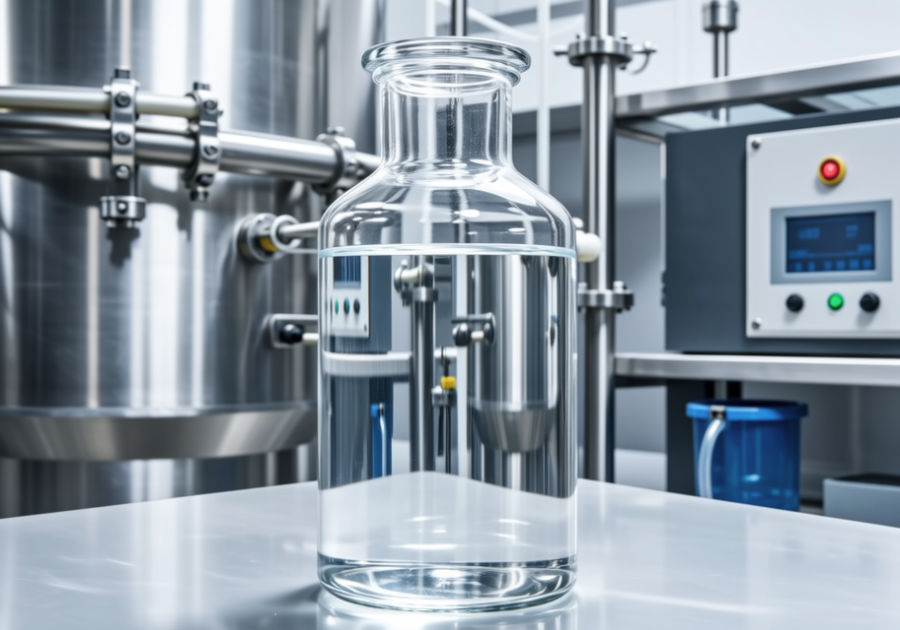
Soda ash solution, made from sodium carbonate dissolved in water, is an alkaline liquid with a pH around 9–10.5. It has wide applications in households and industries, ranging from water treatment to food and cleaning uses. Below is a clear overview of its functions, handling methods, and safety aspects.
Main Uses of Soda Ash Solution
- Softening hard water: Adding soda ash raises water pH and helps prevent limescale buildup in appliances and pipes.
- Glass production: Soda ash removes impurities from raw silica and improves the clarity and quality of glass.
- Acid neutralization: In controlled settings, it has been used to reduce stomach acidity, although safer medical antacids are preferred today.
- Dental cleaning (historical use): Soda ash has been applied to remove surface deposits on teeth, but this is not recommended due to enamel damage risks.
- Pesticide removal: Diluted soda ash solution can help rinse pesticides from fruits and vegetables, providing an inexpensive household method for cleaning produce.
Practical Water Softening Method
A simple way to soften water with soda ash includes:
- Collect several liters of hard water.
- Stir in one teaspoon of sodium carbonate per liter.
- Let the solution stand in a closed container to allow reactions with dissolved minerals.
- Filter out the precipitate, leaving softened water behind.
This method is mainly for household demonstration; large-scale softening is usually handled with specialized equipment.
Hazards and Precautions
- Cloudy solution: A small amount of vinegar can be added to adjust clarity if needed.
- Heating risks: Do not boil soda ash solution. Excessive heat can accelerate reactions, leading to splattering or precipitation of minerals.
- Dental caution: Using soda ash on teeth is unsafe for both adults and children, as it can erode enamel.
- Plant safety: Avoid applying to plants; high sodium content can damage or kill vegetation.
Reference Table: Soda Ash Solution
| Aspect | Details |
|---|---|
| Chemical name | Sodium carbonate in water |
| pH range | 9.0 – 10.5 |
| Main uses | Water softening, glass making, pesticide removal |
| Health-related uses | Previously for antacid purposes; not standard today |
| Hazards | Skin/eye irritation, enamel erosion, plant toxicity |
FAQs on Soda Ash Solution
- Is sodium carbonate safe to consume? Not recommended except under medical guidance. Safer antacids exist.
- Can soda ash be substituted? No, it is naturally sourced and specific to its uses.
- What about storage? Use airtight glass or chemically resistant containers to prevent contamination and moisture absorption.
Conclusion
Soda ash solution is widely used in everyday life and industry, especially for softening hard water and glass manufacturing. While it has valuable cleaning and neutralizing properties, safe handling is essential. Avoid boiling, dental application, or use on plants. With proper precautions, soda ash remains a practical and versatile material.
Looking for chemical products? Let suppliers reach out to you!
You May Interested In


Glow70/KLOW80 99% China Peptides Warehouse Direct Delivery Lyophilized Powder in Stock
$169/UNIT FOB


2026-10-21
Trade Alert
Delivering the latest product trends and industry news straight to your inbox.
(We'll never share your email address with a third-party.)

Related News
-
How to Make Soda Ash from Salt - Detailed Guide
-
Get to know what does soda ash do in our daily life.
-
What Is The Difference Between Washing Soda And Soda Ash
-
What are the uses of Soda ash or sodium bicarbonate
-
Know whether soda ash the same as sodium bicarbonate
-
Soda Ash Forecast
-
The Uses of Sodium Carbonate (Soda Ash) in Everyday Life
-
In 2021, Soda Ash Will Rise First And Then Fall, Reaching The Highest Point of 3687.5 Yuan / ton in Ten Years
-
Market Analysis- Monthly Report- October, 2021- Hot Products
-
Dual Control' in a major chemical province! Raw materials skyrocket! The supply is in a hurry!
Recommend Reading
-
![Understanding the Arsenate Symbol and Its Uses]()
Understanding the Arsenate Symbol and Its Uses
-
![Benzoylecgonine: Detection and Testing Methods]()
Benzoylecgonine: Detection and Testing Methods
-
![Why You Should Never Mix Bleach and Vinegar]()
Why You Should Never Mix Bleach and Vinegar
-
![What Color Should a Zinc-Copper Couple Be?]()
What Color Should a Zinc-Copper Couple Be?
-
![Business Society’s Ethanol Trend Analysis for September 11, 2026: Clearly Upward]()
Business Society’s Ethanol Trend Analysis for September 11, 2026: Clearly Upward
-
![Business Society’s Acetone Trend Analysis for September 11, 2026: Operating at High Levels]()
Business Society’s Acetone Trend Analysis for September 11, 2026: Operating at High Levels
-
![Business Society’s Trend Analysis for Fuel Oil 180CST on September 11, 2026: Rising]()
Business Society’s Trend Analysis for Fuel Oil 180CST on September 11, 2026: Rising
-
![Crude Oil Rises Sharply—Retail Prices of Finished Oil Products to Be Raised Again This Round]()
Crude Oil Rises Sharply—Retail Prices of Finished Oil Products to Be Raised Again This Round
-
![Business Society September 11, 2026 MTBE Trend Analysis: Clearly Upward]()
Business Society September 11, 2026 MTBE Trend Analysis: Clearly Upward