What is the importance of chemistry in everyday life?
What is the importance of chemistry in everyday life? The classification of chemistry belongs to the natural sciences. It mainly studies the composition, properties, structure and changing laws of matter at the molecular and atomic level.Changes that occur during the blending of several different substances also are included. During your college and high school years, you will have experienced chemistry-related questions. have you ever done extensive research on the topic?
The subsequent paragraphs will explain its relevance. What impact does chemical research wear our daily lives? you may get a mind-blowing answer to your inquiry if you explore the subsequent material. This essay will teach you about knowledge of chemistry.
Let us see the importance of chemistry in everyday life
In the food field
All food consists of molecules. What exactly are the molecules in food? Carbohydrates, vitamins, and minerals are the foremost important. additionally, proteins and fiber are on the list. they're all healthy for you and beneficial to your body system.
Food preservation necessitates the utilization of chemicals. Specific chemicals are wont to keep food items fresh for a protracted time. Supplements, food additives, and flavorings significantly improve the standard of meals.
When we discuss chemicals, we won't ditch fertilizers and herbicides, which are accustomed grow healthy crops. n Antacids neutralize excess acid.
Chemistry in Medicines
Pharmaceuticals are wont to treat a spread of disorders in our daily lives. These medicines are made from painkillers and anti-inflammatories. As a result, the importance of chemistry in medicine is recognized. Chemicals are needed in labs to form surgical materials. Chemical compounds also are required for product analysis.
The importance of chemistry is vital within the following medications.
Analgesics are pain relievers.
To treat disease, tranquilizers are used.
Antiseptics kill bacteria.
Disinfectants kill bacteria.
Antibiotics eliminate the bacteria that cause infections.
Antacids neutralize excess acid.
In the field of cosmetic production
The production of emulsions and fragrant scents requires the use of chemicals. In life, the production of dusting powder and other cosmetics also requires chemicals. Usually, scientists create healthy skin care products and cosmetics in the laboratory. Chemistry is important in determining the pH of the skin.
Green Chemistry
Green chemistry helps to take care of the environment by monitoring and protecting the numerous situations within which humans live. Many studies use green chemistry to find out about the many factors involved in monitoring and preventing pollution. Scientists monitor the precise levels of contaminants to work out the cause and avoid human harm.
Soaps and detergents
Soaps mainly include toilet soaps (also known as toilet soaps), metal soaps and complex soaps. Fillers such as synthetic pigments, synthetic fragrances, preservatives, antioxidants, foaming agents, hardeners, thickeners, and synthetic surfactants are usually added to soap to improve its performance.
For example, soap contains essence, so it has a special fragrance; medicated soap is added with some disinfectants (such as a mixture of phenol and cresol or boric acid), so it has a disinfection and sterilization effect; crystal soap contains soap alkali, its ability to remove oil is particularly good powerful. Usually used yellow laundry soap, usually mixed with rosin.
Chemistry in Textiles
Chemical processes are used extensively within the textile sector. to make clothing, various chemical processes necessitate chemistry. Dyeing, printing, bleaching, and finishing, for instance, all require chemistry. Chemical processes are widely utilized in the textile industry to enhance product quality.
In Building and Constructions
A sturdy structure necessitates the utilization of high-quality materials by the organization. the need for sturdy construction structures necessitates the utilization of high-quality materials produced through various chemical processes. In the building and construction industry, chemistry is critical for the assembly of pipes, bricks and cement.
Chemistry in Fuel
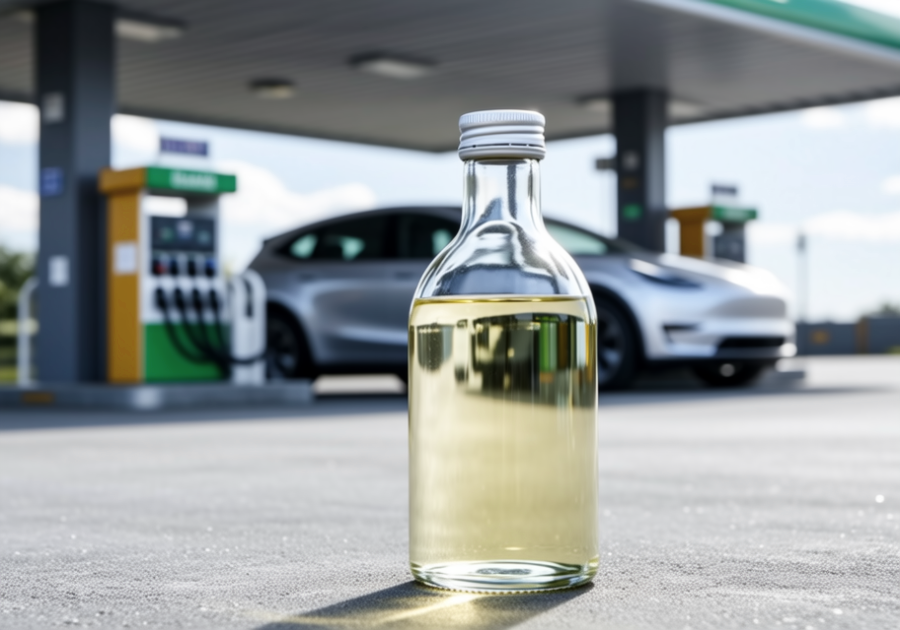
Fuel is crucial in our daily lives, and it's readily obvious once we travel. Petrochemistry, which incorporates petrochemical processes, teaches us a way to use fuel in our daily lives. Chemistry is employed in several refining methods within the fuel manufacturing process.
Battery-powered operation
Batteries are accustomed to power a spread of vehicles. Watches, automobiles, and mobile phones, as an example, all require battery power. In this case, electrochemistry is employed in an exceeding style of device processes that need chemistry.
Chemistry in Wars
Various explosives and gunpowders employed in wars involve chemical change. Nuclear weapons which we speak in today's world are fabricated from chemicals.
Final words
The importance of chemistry in everyday life is discussed in the article. We cannot dismiss its significance on any grounds since it's inextricably linked to our daily lives. If you need large amounts of chemicals, you'll purchase them on the website Echemi. the corporate will offer you the packaging forms that you just require.
Looking for chemical products? Let suppliers reach out to you!
The Use of Glucoside in Skin Care
You May Interested In


Glow70/KLOW80 99% China Peptides Warehouse Direct Delivery Lyophilized Powder in Stock
$169/UNIT FOB


2026-10-15
Trade Alert
Delivering the latest product trends and industry news straight to your inbox.
(We'll never share your email address with a third-party.)

Related News
-
What are the major chemistry facts to know in our life?
-
What is Hund's law in chemistry and its basics?
-
What Is Gold Symbol In Chemistry
-
What are various uses of chemistry in daily life?
-
Weird And Wonderful: Shocking And Interesting Facts About Chemistry
-
The Unsung Hero: How Chemistry Is Important In Our Daily Life
-
What is the presentation on chemistry in everyday life?
-
How To And Why Is Chemistry Important In Our Lives
-
Interesting things about chemistry & why do we need it?
-
What is the importance of studying chemistry? Explain in detail.
Recommend Reading
-
![Key Reactions and Uses of Lithium Aluminum Hydride]()
Key Reactions and Uses of Lithium Aluminum Hydride
-
![Uses and Properties of 3-Methyl-1-Butanol]()
Uses and Properties of 3-Methyl-1-Butanol
-
![EFSA Reviews Clodinafop Risk]()
EFSA Reviews Clodinafop Risk
-
![ADAMA Targets Sucking Pests with Ateka]()
ADAMA Targets Sucking Pests with Ateka
-
![Methylamine: Chemical Properties, Synthesis, and Industrial Applications]()
Methylamine: Chemical Properties, Synthesis, and Industrial Applications
-
![Business Society, September 21, 2026: Fuel Oil 180CST Trend Analysis – Volatility]()
Business Society, September 21, 2026: Fuel Oil 180CST Trend Analysis – Volatility
-
![Business Society September 22, 2026 Melamine Trend Analysis: Tending to Fluctuate]()
Business Society September 22, 2026 Melamine Trend Analysis: Tending to Fluctuate
-
![Business Society September 22, 2026 Phenol Trend Analysis: Weakly Tending]()
Business Society September 22, 2026 Phenol Trend Analysis: Weakly Tending
-
![International Oil Prices Experience a]()
International Oil Prices Experience a "Heart-Stopping Day" as U.S.-Iran Tensions Trigger Massive Shockwaves in the Energy Market
-
![Business Society September 22, 2026 Methanol Trend Analysis: Clear Downtrend]()
Business Society September 22, 2026 Methanol Trend Analysis: Clear Downtrend