




Austria's imports of cosmetics from South Korea increased significantly
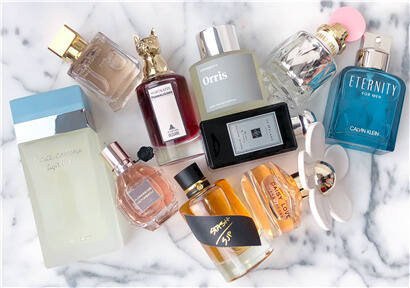
The increasing demand for natural products drives the continuous expansion of the cosmetics market. After the mid-2010, the cosmetics market in Austria has shown a steady growth trend, and domestic enterprises in South Korea have actively opened up the market. According to KOTRA Trade Center in Vienna, Austria, the number of special products meeting the needs of customers in Austrian cosmetics market is increasing gradually, and this trend is expected to be further deepened.
According to the Austria cosmetics industry platform "Kosmetik Transparent" statistics, in 2018, including the cream, fragrance body dew, soap, perfume and so on, the cosmetics market in Austria reached 1 billion 700 million euros. According to the data, although the overall domestic demand economy has stagnated since 2015, the cosmetics market still maintains an annual growth momentum of 2.5-5.5%. Since 2010, although the sales volume has decreased, the increase of high-end products and the demand for natural cosmetics have driven up the price and promoted the overall market scale. From the perspective of product types, skin care and hair care related products dominate the whole market. Compared with last year, the growth of class a products is 48%, and the growth momentum is also noteworthy. Skin care products such as face, hand and body occupy the highest proportion with the scale of 359 million euros, of which the market scale of face care products is 270 million euros.
Followed by hair care, shampoo, conditioner and other head care products of about 270 million euros, make-up, eye makeup, lipstick, nail and other cosmetics 229 million euros, perfume 203 million euros, oral care products 209 million euros, soap, bath products and other cleaning products 130 million euros, fragrant body dew 67 million euros. According to the analysis, the market scale of men's cosmetics such as cleansing, maintenance and shaving reached 153 million euros. In the Austrian cosmetics market, there are not only international brands such as Chanel, Dior, Lancome, L'Oreal and nibeya, but also many small and medium-sized brands. In terms of cosmetics retail, Marionnaud, Douglas and other cosmetics stores, DM, BIPA and other international large-scale beauty and bathroom products chains dominate the market, and there are many small and medium-sized cosmetics stores.
According to the data in 2018, the import scale of Austrian cosmetics reached 391.89 million euros, an increase of 5.6% year on year, and an increase of 11.1% year on year in the first half of 2019. From the perspective of countries, Germany accounts for half of the total imports, while France, Italy, Switzerland and other European countries account for about 90%. The scale of cosmetics imported from South Korea is about 1-2 million euros per year, accounting for less than 1% of the whole import market. But with the Korean wave upsurge and the continuous spread of product word-of-mouth, since 2010, the annual average growth of about 50%. The demand for natural cosmetic products that use natural extract ingredients and do not contain chemicals is increasing rapidly, especially due to the increasing attention to health and environmental sustainable development. At present, natural cosmetics account for 15% to 20% of the total cosmetics market in Austria. However, after 2010, with an annual growth rate of 30% - 40%, the proportion of cosmetics in the whole market is expected to increase rapidly.
Swiss brand 'Weleda' is leading the natural cosmetics market, and Austrian brands ringana and Dr. Hauschka are also very popular. The retail channel of natural cosmetics is dominated by specialty stores, which are rapidly expanding to beauty, bathroom specialty stores and drugstores. KOTRA related people stressed that" due to product quality and consumer trust and other reasons, low-cost products in the Austrian cosmetics market penetration is relatively low, enterprises should according to the target group demand trends and market trends, through research and development of targeted products and marketing to open the market. " It is suggested that "Austrian consumers can give full play to their own advantages in purchasing cosmetics, and show the trend of strengthening personalized tendency. Digital social network plays a great role, and its importance will continue to increase in the future. These problems must be taken into account in the product planning and marketing stage."
Looking for chemical products? Let suppliers reach out to you!

You May Interested In




2026-07-07
Trade Alert
Delivering the latest product trends and industry news straight to your inbox.
(We'll never share your email address with a third-party.)

Related News
-
Philippine Department of Trade and Industry: Will focus more on developing the Philippine beauty industry
-
COSMOPROF Worldwide Bologna 2024
-
Sensitive Skin Naturally Boundless Blue Chamomile Treatment Oil
-
In-cosmetic Korea 2021 is coming with its K-beauty inspiration
-
ECHEMI Interviewed Focus Chem at 2020 PCHi Technology Summit
-
Australia bans cosmetic animal experiments from July
-
Raw material for sensory modification of cosmetics-pigment
-
Google data: more than 10 kinds of cosmetic raw materials search volume increase
-
These cosmetic categories are included in the key random inspection
-
Disinfection products bring new possibilities to cosmetic raw material suppliers
Recommend Reading
-
Taekwang Group Establishes SIL Cosmetics Division, Targeting the Korean and Global Markets
-

IMM PE Plans to Partially Sell A’pieu Cosmetics Brand
-
Kering and L'Oréal Form $4 Billion Strategic Alliance in Luxury Beauty and Wellness
-

Albéa Acquires Amfora Packaging, Strengthening Its Position in Latin America
-

Toray to Transfer Stake in Soda Aromatic to Samyang
-

Hormuz Closure Raises Cold-Chain Risk
-

Middle East Conflict Hits China Seafood Trade
-

US Tariff Refunds Could Reshape Seafood Trade
-
Hormuz Closure Raises Cold-Chain Risk
-

In November, the market price of anhydrous hydrogen fluoride in China showed a downward trend