Peru丨CCL: local fertilizer distributors could cover more than 50% of the urea demand
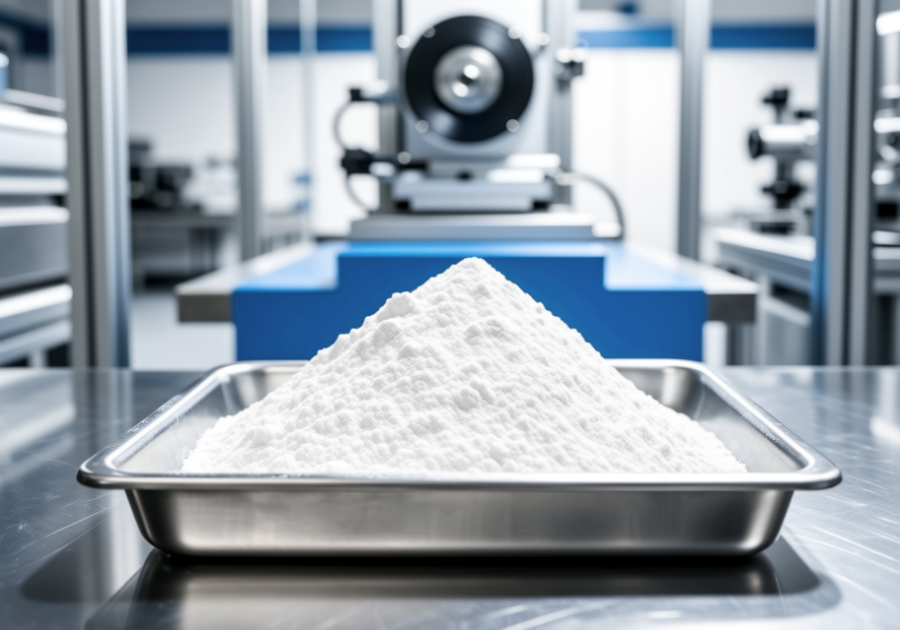
In Peru there are more than 20 fertilizer and agrochemical distribution companies that could cover more than 50% of the local demand for nitrogenous urea for agricultural use, according to the Lima Chamber of Commerce (CCL).
In this sense, Rubén Carrasco, president of the Crop Protection Union (Protec) of the CCL, indicated that there is a significant volume of fertilizers in the country that can favor the 2022-2023 agricultural campaign.
“These regional distribution chains are found in 200 points nationwide and most are strategically located in areas where rice, potatoes and other crops are carried out,” he remarked.
The representative of the business association also stressed that a comprehensive plan is needed with the participation of local distributors and importers. However, the Ministry of Agrarian Development and Irrigation (Midagri) has not wanted to dialogue with these companies.
The government should encourage associativity
Likewise, Rubén Carrasco pointed out that another solution for the supply of urea is for the Government to promote associativity, since in some areas of the country farmers are already buying this fertilizer directly.
This is the case of the Consortium of Agricultural Producers of the Arequipa Region, an organization that acquired 10,000 tons of urea from the United Arab Emirates due to the lack of government support.
“Associativity is the key to the growth and development of small farmers, because by being part of an articulated organization, important advantages are obtained such as cost reduction, access to financing and increased production, making them more competitive in various markets,” commented.
The drop in the price of urea is insufficient
Along the same lines, the president of Protec maintained that, despite the reduction in the price of urea in recent weeks, farmers cannot acquire it because they do not have liquidity or government support.
The price of this fell from S/ 240 to S/ 165 on the stock market; Similarly, the international value per tonnage went from US$1,000 to US$700.
“This is an effect of the regulation of the world market, but said value per ton is still high, considering that before the pandemic it was US$340,” he said.

You May Interested In


Glow70/KLOW80 99% China Peptides Warehouse Direct Delivery Lyophilized Powder in Stock
$169/UNIT FOB


2026-10-22
Trade Alert
Delivering the latest product trends and industry news straight to your inbox.
(We'll never share your email address with a third-party.)

Related News
-
Mexico's Smart AgroFresh opens a new chapter in Chinese agriculture with SmartGenX technology
-
BURSA AGRICULTURE Fair will be held in Bursa from October 08 to 12
-
The Agrorus(2024) will be held in St. Petersburg from August 28 to 30
-
Agri Tech(India) will be held in Bangalore from August 22-24
-
Myanmar plans to import 1.6 million tons of fertilizer in 2024-2025
-
2024 Central Plains (Handan) Modern Agriculture Expo and agricultural materials trading Conference will be held in August
-
Syngenta's seed treatment agent Nuello iN contains two major endophytes that provide continuous nitrogen supply throughout the growing season
-
China Xinjiang(Changji) Seed Exhibition Fair will be held in August 6-8
-
Nutrien Ltd announced its exit from Argentina, Chile and Uruguay
-
India to stop importing urea by end of 2025?
Recommend Reading
-
![Bayer and Syngenta Score Consecutive Regulatory and Legal Wins in the U.S.]()
Bayer and Syngenta Score Consecutive Regulatory and Legal Wins in the U.S.
-
![South Korea Expands Mandatory GMO Labeling to Highly Processed Foods]()
South Korea Expands Mandatory GMO Labeling to Highly Processed Foods
-
![Vera’s New Kidney Drug Wins FDA Approval, Carrying a $425,000 Annual Price]()
Vera’s New Kidney Drug Wins FDA Approval, Carrying a $425,000 Annual Price
-
![U.S. Finds Chinese Potassium Phosphate Dumping Could Recur at Margins Up to 95.40%]()
U.S. Finds Chinese Potassium Phosphate Dumping Could Recur at Margins Up to 95.40%
-
![U.S. Finds Methionine Dumping Could Recur, With Japan Margin Up to 76.50%]()
U.S. Finds Methionine Dumping Could Recur, With Japan Margin Up to 76.50%
-
![Business Society’s Market Outlook for Propylene Oxide on August 26, 2026: Volatile]()
Business Society’s Market Outlook for Propylene Oxide on August 26, 2026: Volatile
-
![Lithium carbonate strongly rebounds in August, continuing to show peak season trends in September]()
Lithium carbonate strongly rebounds in August, continuing to show peak season trends in September
-
![Formic Acid Stabilizes After a Phased Sharp Drop]()
Formic Acid Stabilizes After a Phased Sharp Drop
-
![Business Society’s August 26, 2026 Phthalic Anhydride Market Outlook: Clearly Upward Trend]()
Business Society’s August 26, 2026 Phthalic Anhydride Market Outlook: Clearly Upward Trend
-
![Business Society’s September 1, 2026 Caustic Soda Market Outlook: Signals of Decline]()
Business Society’s September 1, 2026 Caustic Soda Market Outlook: Signals of Decline