What are the three interesting facts about nitrogen
At a Glance: Why Nitrogen Matters
Nitrogen (N₂) is not just the most plentiful gas in the air—it's a foundation for modern agriculture, food preservation, medical technology, and industrial safety. Its unique properties allow it to support life, protect products, and enable advanced processes across many fields.
What Makes Nitrogen Unique?
- Abundance: Nitrogen makes up about 78% of the Earth's atmosphere (NASA, U.S. National Weather Service).
- Structure: Each atom has 7 protons and typically 7 neutrons. As N₂, two nitrogen atoms are joined by a triple bond, making the molecule highly stable and chemically inert under normal conditions.
- Physical Properties: Nitrogen is colorless, odorless, and condenses to a liquid at −196 °C, making liquid nitrogen a powerful coolant.
- Natural Cycle: Plants can't use nitrogen gas directly. Soil bacteria and industrial processes convert it into ammonia or nitrates, which are essential for making proteins and DNA.
How Nitrogen Is Used Every Day
| Field | Main Application | Why It Matters |
|---|---|---|
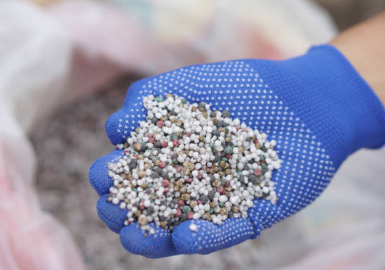
| Agriculture | Fertilizers (ammonia, urea) | Boosts plant growth, supports global food production |
| Industry | Protective atmospheres | Prevents oxidation in steelmaking, electronics, and chemicals |
| Food | Modified atmosphere packaging | Keeps foods like chips and coffee fresh by replacing oxygen |
| Medicine | Cryogenic preservation, surgery | Stores blood, tissues, and is used for wart removal and other medical procedures |
| Energy & Chemistry | Explosives, synthetic materials | Key ingredient in explosives, foams, and plastics |
Nitrogen Compounds and Their Impact
- Nitric Oxide (NO): Produced in the body, it relaxes blood vessels and is vital for heart health and immune response.
- Nitrous Oxide (N₂O): Known as “laughing gas,” it is used for anesthesia, but overexposure can harm the nervous system.
- Nitrogen Oxides (NOx): Byproducts from engines and industry; they contribute to air pollution and acid rain. Agencies like the U.S. EPA monitor and regulate NOx emissions.
Safety: What to Keep in Mind
Nitrogen itself is non-toxic and inert, but in confined spaces, it can displace oxygen, creating a suffocation hazard. That’s why facilities handling nitrogen follow strict ventilation and monitoring protocols, as recommended by the U.S. Occupational Safety and Health Administration (OSHA).
Conclusion
Nitrogen is much more than just an invisible gas in the air. It is vital to food production, health, industry, and environmental science. By understanding its properties and uses, we can better appreciate its essential role and ensure it is managed with care.
References
- NASA Earth Science Data
- U.S. National Weather Service
- U.S. Environmental Protection Agency (EPA)
- Occupational Safety and Health Administration (OSHA)
- Standard Chemistry Textbooks
Looking for chemical products? Let suppliers reach out to you!
You May Interested In


Glow70/KLOW80 99% China Peptides Warehouse Direct Delivery Lyophilized Powder in Stock
$169/UNIT FOB


2026-10-18
Trade Alert
Delivering the latest product trends and industry news straight to your inbox.
(We'll never share your email address with a third-party.)

Related News
-
Uses of Dithiothreitol in Laboratories
-
Chemical Reactions and Uses of Stilbene
-
Ethylene Glycol: Production, Uses, and Safety
-
Fipronil: Uses, Safety, and Environmental Impact
-
Chemical Properties of Dibenzylideneacetone
-
Applications of Diphenyl Cyanide
-
Applications and Safety of Sodium Dichromate
-
Uses and Benefits of Sodium Selenite
-
Applications of Caesium Iodide
-
What is the Formula for Ammonia? (NH3 Structure & Properties)
Recommend Reading
-
![Chemical Properties and Uses of Tetraetil]()
Chemical Properties and Uses of Tetraetil
-
![What is Sodium Hipoklorit? (Definition, Uses & Safety)]()
What is Sodium Hipoklorit? (Definition, Uses & Safety)
-
![Sodium Nitrate: Fertilizer, Food Preservative, and Chemical Properties]()
Sodium Nitrate: Fertilizer, Food Preservative, and Chemical Properties
-
![Methanol Methyl Alcohol vs Ethanol: Toxicity, Fuel Uses, and Industrial Solvent Safety]()
Methanol Methyl Alcohol vs Ethanol: Toxicity, Fuel Uses, and Industrial Solvent Safety
-
![Glycopyrronium: Pharmaceutical Applications, Mechanism, and Chemical Specs]()
Glycopyrronium: Pharmaceutical Applications, Mechanism, and Chemical Specs
-
![In July, China's acetone market showed a strong reversal and upward trend]()
In July, China's acetone market showed a strong reversal and upward trend
-
![Premium Global Chemical Sourcing Requests (10-12Aug, 2026)]()
Premium Global Chemical Sourcing Requests (10-12Aug, 2026)
-
![Ammonium Sulfate Market Trend Weakens and Declines (10.23-10.29)]()
Ammonium Sulfate Market Trend Weakens and Declines (10.23-10.29)
-
![Cost and Supply-Demand Boosts Push Toluene Market Upward in July in China]()
Cost and Supply-Demand Boosts Push Toluene Market Upward in July in China
-
![Polyethylene Supply and Demand Imbalance in 2025, Excess Situation Unchanged in 2026]()
Polyethylene Supply and Demand Imbalance in 2025, Excess Situation Unchanged in 2026