What is calcium caseinate nutritional information
Calcium caseinate is a milk-derived, slow-digesting protein made by neutralizing casein with calcium. In food and nutrition products it adds high-quality protein, extra calcium, and useful texture without much fat or sugar. It is usually very low in lactose (not zero) and is not suitable for anyone with a milk protein allergy.
What calcium caseinate actually is (and isn’t)
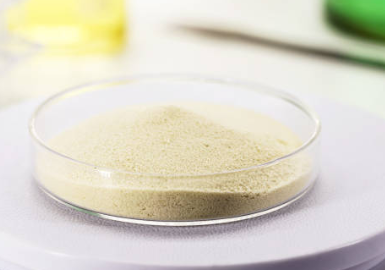
Start with casein—the main protein in cow’s milk. Combine purified casein with a calcium source, and you get calcium caseinate: a white, neutral-tasting powder that disperses easily in water and holds mixtures together. It’s common in high-protein foods, medical nutrition, and baking mixes because it brings protein where you need it and quietly improves body and stability. People often assume it’s “just milk in powder form.” It isn’t. The powder is concentrated protein with minerals; most of the milk’s water (and much of the lactose) is removed during processing.
Why formulators use it
Three reasons come up again and again. First, the protein density is high, so you can lift protein in a bar, shake, or baked good without blowing up portion size. Second, functionality: calcium caseinate thickens, stabilizes, and helps emulsify, giving foods a smoother bite and less separation. Third, the calcium contribution is meaningful—useful where bone health claims matter. Unlike whey, which digests quickly, caseinate releases amino acids slowly, so it suits evening shakes, meal replacements, and situations where sustained satiety is the goal.
At-a-glance facts
| Aspect | What to know |
|---|---|
| Source | Casein from cow’s milk, neutralized with calcium |
| Protein type | Slow-digesting complete protein (all essential amino acids) |
| Lactose | Usually very low; not necessarily zero (check label) |
| Allergens | Contains milk proteins; unsuitable for milk allergy |
| Typical uses | Protein bars/shakes, medical nutrition, baked goods, cultured dairy, confectionery |
| Key functions in foods | Thickening, water binding, emulsifying, improving texture and moisture retention |
Nutritional angle—what you get per serving
Labels vary by brand, but the pattern is consistent: high protein, modest calories, little fat or sugar, and useful calcium. The “more protein than milk” line people repeat is technically true because you’re comparing a concentrated powder to liquid milk. A more practical comparison is with other protein ingredients: caseinate typically sits alongside whey and soy on a grams-of-protein-per-scoop basis, with the added benefit of calcium and slower digestion.
How it behaves in recipes
In batters and doughs, calcium caseinate binds water and strengthens structure, so cakes and high-protein breads hold their shape instead of crumbling. In dairy systems (yogurt, fresh cheese, frozen desserts), it helps stabilize proteins during heat or shear and can smooth the texture without overwhelming flavor. In beverages, it suspends particulates and reduces separation, though you’ll get the best mouthfeel if you hydrate the powder well before blending. It does not “feed” yogurt cultures; those grow primarily on lactose. The caseinate’s job there is body and consistency.
Benefits supported by everyday use
- High-quality protein: Complete amino acid profile, naturally rich in leucine for muscle protein synthesis.
- Slow release: Casein gels in the stomach and digests gradually, helpful for satiety and overnight amino acid delivery.
- Meaningful calcium: Contributes to daily calcium targets for bone and teeth; pairing protein with calcium is a practical two-for-one in sports and clinical nutrition.
- Functional texture: Improves creaminess, reduces syneresis (weeping), and helps products slice and hold shape.
- Formulation flexibility: Neutral flavor and heat stability make it easy to use in both sweet and savory applications.
Who it suits—and who should be cautious
It’s a good fit for people building protein intake, evening snacks that won’t spike hunger, and patients using medically supervised formulas. Those with lactose intolerance often tolerate calcium caseinate well because lactose is typically low; however, tolerance is individual—read the label and test a small portion. Milk allergy is a different story: casein is the allergen for many; calcium caseinate is not appropriate. Individuals with kidney disease or those on protein-restricted or mineral-restricted diets should use any concentrated protein only under clinical guidance.
Common misunderstandings, cleared up
“It has a lot of calories because it’s high in calcium.” Calories come from protein, fat, and carbohydrate; minerals like calcium contribute no calories. The powder is calorie-dense mainly because it’s concentrated protein.
“It promotes bacterial growth in yogurt.” Fermentation relies on lactose and starter cultures. Caseinate improves body; it doesn’t boost culture growth directly.
“Lactose-free means safe for everyone who reacts to dairy.” Lactose intolerance is not the same as milk allergy. Low lactose may help intolerance; it does not remove milk proteins, which trigger allergy.
Ways you’ll see it on labels (and how it compares)
| Ingredient | What it brings | Typical use |
|---|---|---|
| Calcium caseinate | Slow protein + calcium, texture/stability | Bars, shakes, baked goods, cultured dairy |
| Sodium caseinate | Similar protein, different mineral profile; excellent emulsifier | Creamers, processed cheese, coffee whiteners |
| Whey protein | Fast-digesting, high leucine; lighter mouthfeel | Post-workout shakes, beverages |
| Soy/pea protein | Dairy-free alternatives; different flavors/functional traits | Plant-based products, vegan formulas |
Practical use tips
- Hydrate the powder fully—pre-mix with a little cool water before adding to hot or acidic systems for the smoothest texture.
- In high-protein baking, pair with moisture (applesauce, yogurt, or fats) to avoid dryness; caseinate binds water strongly.
- For shakes, blend with a fast protein (e.g., whey) if you want both quick and sustained amino acid delivery.
- Check lactose statements on the label if you are sensitive; “low lactose” is common, “lactose-free” is brand-specific.
Safety and regulatory notes
Calcium caseinate is widely used and recognized as safe when consumed as part of a normal diet. Food-safety authorities (e.g., national regulators comparable to FDA/EFSA) treat caseinates as standard dairy ingredients; quality manufacturing and allergen labeling apply. As with any concentrated protein, adequate hydration and portion awareness help digestion, and medical guidance is prudent for specialized clinical diets.
Bottom line
Calcium caseinate brings together concentrated casein protein, useful calcium, and dependable functionality. It supports muscle and satiety, helps foods hold their shape and feel creamy, and fits into both sports and clinical nutrition. It’s usually low in lactose but remains a dairy protein—great for many, wrong for those with milk allergy. Used thoughtfully, it’s a practical, quietly effective ingredient.
Looking for chemical products? Let suppliers reach out to you!
You May Interested In


Glow70/KLOW80 99% China Peptides Warehouse Direct Delivery Lyophilized Powder in Stock
$169/UNIT FOB


2026-10-24
Trade Alert
Delivering the latest product trends and industry news straight to your inbox.
(We'll never share your email address with a third-party.)

Related News
-
Vanillin: Properties, Uses, and Safety
-
Sodium Metabisulfite: Properties, Uses, and Safety
-
What is a Surfactant? (Definition, Types, and How They Work)
-
Oxalic Acid: Acidity (pKa), Sources, and Kidney Stone Risk
-
Gellan Gum (E418): Vegan Thickener vs. Xanthan Gum in Food
-
Sodium Hydroxide Reactions: With Aluminum, Acids, and Metals
-
Potassium Hydroxide (KOH): Soap Making, Batteries, and Safety
-
Sodium Benzoate (E211): Safety, Benzene Risk, and Preservative Uses
-
Thymol Gel Wins EPA Approval for Beekeepers
-
Dicalcium Phosphate: Properties, Uses, and Applications
Recommend Reading
-
![Magnesium Chloride (MgCl₂): Properties, Uses, and Applications]()
Magnesium Chloride (MgCl₂): Properties, Uses, and Applications
-
![Flavin Adenine Dinucleotide (FAD): Functions and Applications]()
Flavin Adenine Dinucleotide (FAD): Functions and Applications
-
![Sodium Alginate: Properties, Uses, and Benefits]()
Sodium Alginate: Properties, Uses, and Benefits
-
![Sulfur Hexafluoride (SF6): Applications and Safety]()
Sulfur Hexafluoride (SF6): Applications and Safety
-
![Understanding Reactions Between Silver and Chloride]()
Understanding Reactions Between Silver and Chloride
-
![October DMF Market Prices Weakly Decline]()
October DMF Market Prices Weakly Decline
-
![Business Society’s Market Outlook for Palm Oil on August 10, 2026: Volatile Rise]()
Business Society’s Market Outlook for Palm Oil on August 10, 2026: Volatile Rise
-
![Marginal Improvement: Shandong n-butanol Market Shows Signs of Recovery]()
Marginal Improvement: Shandong n-butanol Market Shows Signs of Recovery
-
![Fundamentals Weak, TDI Market in China Declines in October]()
Fundamentals Weak, TDI Market in China Declines in October
-
![Premium Global Chemical Sourcing Requests (10-12Aug, 2026)]()
Premium Global Chemical Sourcing Requests (10-12Aug, 2026)