How Top chemicals are used in everyday life
There are many chemicals used in everyday life and contribute to many products people regularly use, from paint to cleaning supplies to medications. While some of these chemicals are toxic and harmful, others have been deemed safe. The following are chemicals used regularly that you should know:
1) Ammonia
Ammonia is a chemical that is used to disinfect water and air. It can be produced by mixing household ammonia with water and releasing the gas or from an industrial process using different chemicals. Ammonia is also used in some foods and as an agricultural fertilizer. It has been linked to several health problems, including asthma.
2) Ammonium Hydroxide
Ammonium hydroxide is a weak base that is used for several industrial processes, including the production of soap, textiles, and paper. Ammonium hydroxide can also be found in agricultural applications, such as fertilizers and animal feed. It is also used to make other chemicals and is a byproduct of certain processes. Ammonium hydroxide has been linked to several health problems, including respiratory tract irritation, central nervous system disorders, and liver or kidney cancer.
3) Benzene
Benzene is a chemical used in everyday life, especially in gasoline and paint. It can also be produced from coal tar and is used as an industrial solvent, textiles, rubber, pesticides, plastics, synthetic rubber, etc. It has been linked to several health problems, including cancer in humans, skin irritation, and birth defects if women are exposed to it during pregnancy.
4) Chloroform
Chloroform is a chemical used in several products, including medicine, cosmetics, and cleaning supplies. It has been linked to several health problems, including cancer, as well as problems with the respiratory, central nervous, gastrointestinal, and immune systems. It can also inhibit the development of the fetus if pregnant women are exposed to it.
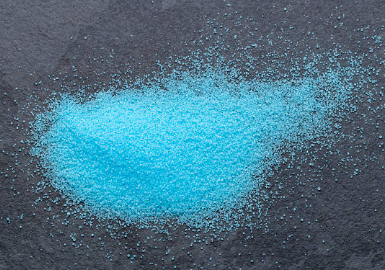
5) Copper
Copper is a chemical used in everyday life, especially in drinking water and foods such as nuts and shellfish. It is also an essential element for humans because it maintains the health of bones, reproductive organs, eyes, and skin. It can be linked to several health problems if consumed in large amounts or not consumed at all by an individual who needs it. Copper is also used to produce bronze and other materials that are harder than copper alone.
6) Ethylene
Ethylene is a chemical found in plants and is used as a gaseous food preservative. It has been linked to several health problems, though the most common are gastrointestinal problems. Ethylene is also used to produce other chemicals, such as ethylene oxide and ethyl alcohol.
7) Hydrogen Sulfide
Hydrogen Sulfide is a chemical commonly found in oil and gas wells. The gas corrodes metal equipment and can also cause health issues if you inhale it in large amounts or over time. It has been linked to several health problems, including irritation of the respiratory tract, fatigue, nausea, headaches, or death.
8) Mercury
Mercury is a naturally occurring element found in many products, including some food items. It is used to make certain pharmaceuticals, cosmetics, and other products. Mercury can be used as a preservative for meats, fish, and cheese and in toothpaste, antiseptics, and medicines. It can also be used to make chlorine and paper production. Mercury has been linked to several health problems, including skin irritation, poisoning from consumption of inorganic mercury compounds or consumption of organic mercury compounds, or ingestion of contaminated seafood or fish. Mercury can also be released into the air and contaminate water.
9) Polychlorinated Biphenyls
Polychlorinated biphenyls are chemicals used in electrical equipment, marine paints, and other applications. They were banned by the U.S. military in 1977 because of health concerns but are still found in fish and other food sources. PCBs have been linked to several health problems, including skin irritation, central nervous system disorders, depression or cancer of the liver, immune system suppression, and reproductive toxicity.
10) Vinyl Chloride
Vinyl chloride is a chemicals used in everyday life to make PVC, chlorinated VOCs, and other products. It is also a byproduct of the production of other chemicals. Vinyl chloride can be released into the air and contaminate water or soil. It has been linked to several health problems, including cancer of the liver, brain, bile ducts or thyroid gland, and blood disorders.
11) Xylene
Xylene is a chemical that can be found in paint thinner, rubber cements, and other products. It has been linked to several health problems, including skin and respiratory problems, central nervous system disorders, and damage to the reproductive and immune systems.
12) Methylene Chloride
Methylene chloride is used as an industrial solvent, paint remover, aerosol cleaner, and degreaser. It has been linked to several health problems, including cancer of the liver, kidney, or pancreas; reproductive toxicity; acute liver or kidney damage if it is taken orally or injected; depression or coma if inhaled in large amounts or over time. Methylene chloride can also release into the air when applied to materials like paint or plastic. It is being phased out of some products and will be replaced by safer chemicals.
Conclusion
In conclusion, the environment can be dangerous if you don't know what to look for. This list is made up of a few chemicals used in everyday life, but thousands more are yet to be discovered. Some of these chemicals are found in everyday products people use, and some are found outside in the environment, such as in the air or water. Knowing what could potentially harm your health is one way to stay safe and healthy.
Looking for chemical products? Let suppliers reach out to you!
You May Interested In


2026-10-04
Trade Alert
Delivering the latest product trends and industry news straight to your inbox.
(We'll never share your email address with a third-party.)

Related News
-
PVEF Polymer: Structure, Properties, and Industrial Applications
-
Sodium Nitrate: Fertilizer, Food Preservative, and Chemical Properties
-
What is Sodium Hipoklorit? (Definition, Uses & Safety)
-
Glycopyrronium: Pharmaceutical Applications, Mechanism, and Chemical Specs
-
Methanol Methyl Alcohol vs Ethanol: Toxicity, Fuel Uses, and Industrial Solvent Safety
-
Sulfur Hexafluoride (SF6): Applications and Safety
-
Understanding PCl5: Compound Name and Uses
-
Sodium Alginate: Properties, Uses, and Benefits
-
Isoascorbic Acid: Uses and Safety
-
Sodium Nitrate: Fertilizer, Food Curing, and Explosive History
Recommend Reading
-
![Aluminum Oxide (Al2O3): Abrasive Uses, Ceramic Applications, and Safety]()
Aluminum Oxide (Al2O3): Abrasive Uses, Ceramic Applications, and Safety
-
![Uses and Properties of Copper Acetate]()
Uses and Properties of Copper Acetate
-
![SiO2: Properties, Uses, and Applications]()
SiO2: Properties, Uses, and Applications
-
![Vanillin: Properties, Uses, and Safety]()
Vanillin: Properties, Uses, and Safety
-
![Potassium Carbonate: Properties, Uses, and Applications]()
Potassium Carbonate: Properties, Uses, and Applications
-
![Premium Global Chemical Sourcing Requests (28-31May, 2026)]()
Premium Global Chemical Sourcing Requests (28-31May, 2026)
-
![Negative Factors Weigh Down, Hydrogen Peroxide Market Weakens]()
Negative Factors Weigh Down, Hydrogen Peroxide Market Weakens
-
![May Acetic Acid Market Shakes and Declines]()
May Acetic Acid Market Shakes and Declines
-
![May ethyl acetate market continues to decline in China]()
May ethyl acetate market continues to decline in China
-
![May China Soda Ash Market Weakly Adjusted Downward]()
May China Soda Ash Market Weakly Adjusted Downward