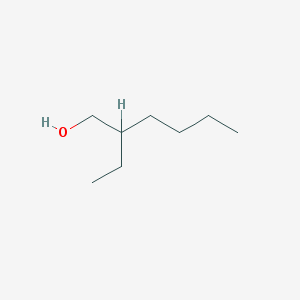
2-Ethylhexanoicacid
12 Inquiries
149-57-5
Industrial Grade
99%
QINGDAO
185kg/9kg Blue HDPE Drum (Used For PG)
2017-05-06

-
Product Description
-
Seller Information
-
Inquiry History
-
DescriptionOctanoic acid
Acid Name: 2-EthylhexanoicSpecification: ISO octanoic acid content 99%, acid number 385, color number 15
A colorless, slightly odorous liquid. Flammable, slightly soluble in cold water, soluble in hot water
Ethyl ether, slightly soluble in ethanol. Can be used as a paint intermediate
The production of peroxide as a catalyst for polymerization (e.g., PE)
As well as for lubricating oil esters and PVC stabilizers.
2- ethyl acid has been converted into most of the metal zirconium, cobalt, molybdenum, zinc and other salts, used in oil
The invention relates to a heat stabilizer for paint driers and polyvinyl chloride plastics
Additives; barium salts and cadmium salts are used in plastics calendering products and stabilizers, 2- Ethyl Acid and
The esters are also used in medicine, bactericide, metal lubricant, cosmetics, etc.
Oil ester is an excellent plasticizer. 2- ethyl acid has been used as raw material for medicine,
Also used in the synthesis of many dyes and perfumes.ECHEMI Editorial ReferenceA colorless to light yellow liquid with a mild odor.Basic Info-
Product Name:
2-Ethylhexanoic acid
Other Name:Hexanoic acid,2-ethyl-;Caproic acid,α-ethyl-;2-Ethylhexanoic acid;Butylethylacetic acid;α-Ethylcaproic acid;2-Ethylhexoic acid;3-Heptanecarboxylic acid;2-Ethylcaproic acid;Ethylhexanoic acid;α-Ethylhexanoic acid;2-Butylbutanoic acid;2-Ethyl-1-hexanoic acid;(±)-2-Ethylhexanoic acid;NSC 8881;Octylic acid;83829-68-9;202054-39-5
CAS No.:149-57-5
Molecular Formula:C8H16O2
InChIKeys:InChIKey=OBETXYAYXDNJHR-UHFFFAOYSA-N
Molecular Weight:144.21100
Exact Mass:144.21
EC Number:262-971-9
ICSC Number:0477
NSC Number:8881
UN Number:1993
DSSTox ID:DTXSID9025293
Color/Form:Clear liquid
HScode:29159080
Categories:
Characteristics-
PSA:
37.30000
XLogP3:2.6
Appearance:Ethylhexoic acid is a colorless to light yellow liquid with a mild odor. It will burn though it may take some effort to ignite. It is slightly soluble in water. It is corrosive to metals and tissue. It is used to make paint dryers and plasticizers.
Density:0.9031 g/cm3 @ Temp: 25 °C
Melting Point:-59 °C
Boiling Point:228 °C
Flash Point:114ºC
Refractive Index:1.424-1.426
Water Solubility:Solubility in water, g/100ml: 0.14 (very poor)
Storage Conditions:Keep container closed when not in use. Store in a cool, dry, well-ventilated area away from incompatible substances.
Vapor Pressure:<0.01 mm Hg ( 20 °C)
Vapor Density:4.98 (vs air)
Flammability characteristics:Lower flammable limit: 0.8% by volume; Upper flammable limit: 6.0% by volume
Explosive limit:vol% in air: 0.8
Odor:Mild odor
Henrys Law Constant:Henry's Law constant = 2.8X10⁻⁶ atm-cu m/mol at 25 °C (est)
Experimental Properties:Hydroxyl radical reaction rate constant = 8.18X10⁻¹² cu cm/molec-sec at 25 °C (est)
Air and Water Reactions:No rapid reaction with air. No rapid reaction with water.
Reactive Group:Acids, Carboxylic
Reactivity Profile:ETHYLHEXOIC ACID is a carboxylic acid. Carboxylic acids donate hydrogen ions if a base is present to accept them. They react in this way with all bases, both organic (for example, the amines) and inorganic. Their reactions with bases, called "neutralizations", are accompanied by the evolution of substantial amounts of heat. Neutralization between an acid and a base produces water plus a salt. Carboxylic acids with six or fewer carbon atoms are freely or moderately soluble in water; those with more than six carbons are slightly soluble in water. Soluble carboxylic acid dissociate to an extent in water to yield hydrogen ions. The pH of solutions of carboxylic acids is therefore less than 7.0. Many insoluble carboxylic acids react rapidly with aqueous solutions containing a chemical base and dissolve as the neutralization generates a soluble salt. Carboxylic acids in aqueous solution and liquid or molten carboxylic acids can react with active metals to form gaseous hydrogen and a metal salt. Such reactions occur in principle for solid carboxylic acids as well, but are slow if the solid acid remains dry. Even "insoluble" carboxylic acids may absorb enough water from the air and dissolve sufficiently in it to corrode or dissolve iron, steel, and aluminum parts and containers. Carboxylic acids, like other acids, react with cyanide salts to generate gaseous hydrogen cyanide. The reaction is slower for dry, solid carboxylic acids. Insoluble carboxylic acids react with solutions of cyanides to cause the release of gaseous hydrogen cyanide. Flammable and/or toxic gases and heat are generated by the reaction of carboxylic acids with diazo compounds, dithiocarbamates, isocyanates, mercaptans, nitrides, and sulfides. Carboxylic acids, especially in aqueous solution, also react with sulfites, nitrites, thiosulfates (to give H2S and SO3), dithionites (SO2), to generate flammable and/or toxic gases and heat. Their reaction with carbonates and bicarbonates generates a harmless gas (carbon dioxide) but still heat. Like other organic compounds, carboxylic acids can be oxidized by strong oxidizing agents and reduced by strong reducing agents. These reactions generate heat. A wide variety of products is possible. Like other acids, carboxylic acids may initiate polymerization reactions; like other acids, they often catalyze (increase the rate of) chemical reactions.
Autoignition Temperature:699 °F (USCG, 1999)|700 °F (371 °C)|371 °C
Flammable Limits:Lower flammable limit: 0.8% by volume; Upper flammable limit: 6.0% by volume
Critical Temperature & Pressure:Critical temperature: 615.2 K
Hazard IdentificationClassification of the substance or mixture
Reproductive toxicity, Category 2
GHS label elements, including precautionary statements
Pictogram(s) 
Signal word Warning
Hazard statement(s) none
Precautionary statement(s) Prevention P203 Obtain, read and follow all safety instructions before use.
P280 Wear protective gloves/protective clothing/eye protection/face protection/hearing protection/...
Response P318 IF exposed or concerned, get medical advice.
Storage P405 Store locked up.
Disposal P501 Dispose of contents/container to an appropriate treatment and disposal facility in accordance with applicable laws and regulations, and product characteristics at time of disposal.
Other hazards which do not result in classification
no data available
Handling and StoragePrecautions for safe handling
NO open flames. Handling in a well ventilated place. Wear suitable protective clothing. Avoid contact with skin and eyes. Avoid formation of dust and aerosols. Use non-sparking tools. Prevent fire caused by electrostatic discharge steam.
Conditions for safe storage, including any incompatibilities
Separated from strong oxidants. Store in an area without drain or sewer access.Separated from strong oxidants. Store in an area without drain or sewer access.
-
-
Seller Information
-
Business Type:
Manufactory
-
Location:
East Industrial Zone, Dancheng, Henan
-
-
Inquiry History12 Inquiries
Country Product Purchase Quantity Date Posted  Malaysia
2-ethyl hexanoic acid
1 KG Mar 16, 2026  India
India
2 Ethyl Hexanoic Acid 50-60%.
10.00 MT May 11, 2024
India
2-Ethyl hexanoic acid
50 MT Feb 18, 2024
Malaysia
2-ethyl hexanoic acid
1 20' Fcl Mar 25, 2026
India
2-Ethylhexanoic Acid
20 MT Feb 4, 2026  Peru
Peru
2-Ethylhexanoic acid
1 KG Oct 14, 2024
India
2-ethylhexanoic acid
50 MT Jun 13, 2024
India
2-Ethylhexanoic Acid
60 MT Jun 11, 2024  Kazakstan
2-Ethylhexanoic acid
20 MT May 18, 2024
India
2 Ethylhexanoic Acid
50 MT Apr 7, 2024
India
2 Ethyl Hexanoic Acid
15.00 MT Dec 1, 2023  Turkey
Hexanoic acid(2-ethyl)
1.00 20' Fcl Oct 23, 2023 Post an enquiry for this product