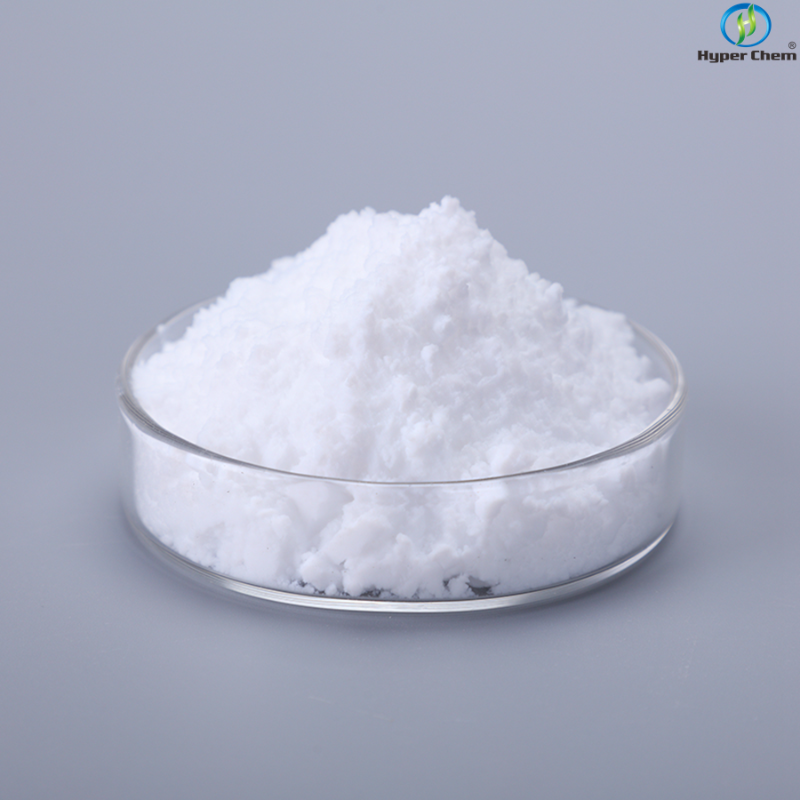
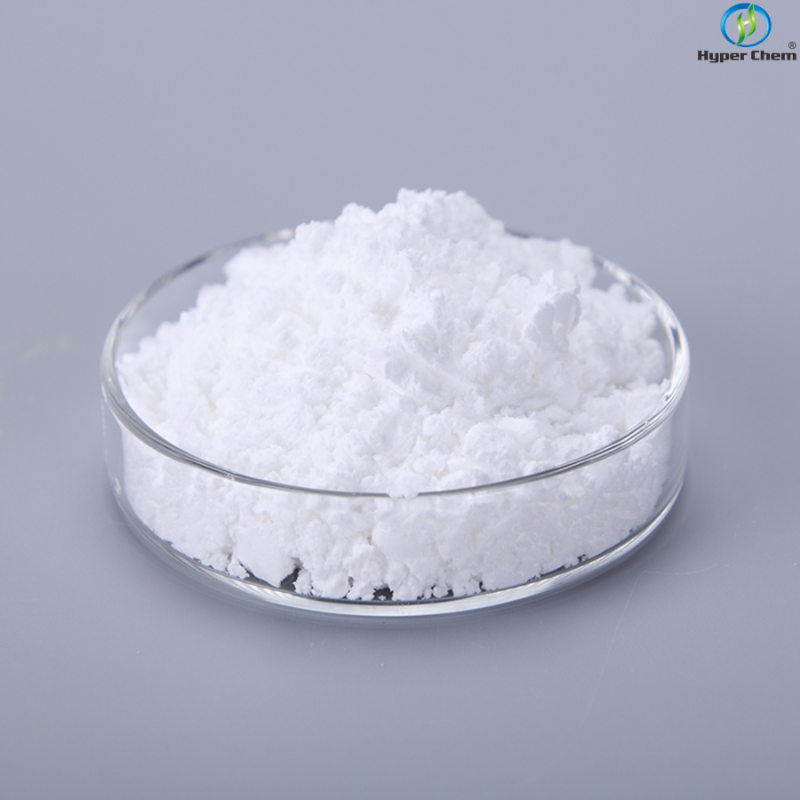
(S)-Pro-xylane is a synthetic carbohydrate derivative, primarily recognized for its role in cosmetic and dermatological formulations. It is derived from natural sources and is a representative of the family of xylans, which are polysaccharides that are part of the hemicellulose found in plant cell walls. (S)-Pro-xylane is celebrated for its efficacy in skin hydration and its potential benefits for skin aging. Here is a detailed overview:
Chemical Structure
(S)-Pro-xylane is an xyloside that contains a xylopyranose backbone with specific stereochemistry. It is a pentose sugar with a molecular structure that contributes to its biological activity and interactions with skin cells.
Mechanism of Action
(S)-Pro-xylane works primarily by:
Hydrating the Skin: It helps to retain moisture in the skin, thereby enhancing hydration levels and improving the overall appearance of the skin.
Stimulating Glycosaminoglycan Production: (S)-Pro-xylane promotes the synthesis of glycosaminoglycans, such as hyaluronic acid, which are crucial for maintaining the skin's structure, elasticity, and moisture.
Enhancing Skin Barrier Function: It aids in strengthening the skin ’ s barrier, which can help protect against environmental stressors and prevent moisture loss.
Uses
(S)-Pro-xylane is primarily used in the cosmetic and skincare industries. Some of its applications include:
Anti-Aging Products: It is often included in formulations targeting signs of aging, as it can improve skin texture and elasticity.
Moisturizers and Hydration Boosters: Many moisturizers use (S)-Pro-xylane to enhance skin hydration and provide a plumping effect.
Serums and Creams: It can be a key ingredient in serums and creams designed for specific skin concerns, such as dryness, fine lines, and loss of firmness.
Formulation Considerations
(S)-Pro-xylane is generally well-tolerated by most skin types and is often included in formulations at concentrations ranging from 1% to 5%. Its stability and compatibility with other cosmetic ingredients make it a popular choice for formulating various skin care products.
Side Effects
(S)-Pro-xylane is typically considered safe for topical use. Adverse effects are rare but may include:
Mild irritation or allergic reactions in sensitive individuals.
Redness or itching if used in higher concentrations or on compromised skin.
Safety and Regulatory Status
(S)-Pro-xylane has been evaluated for safety in cosmetic formulations. Regulatory agencies, such as the European Commission ’ s Scientific Committee on Consumer Safety (SCCS), have assessed its use in cosmetics, deeming it safe when used as directed. As with any cosmetic ingredient, consumers should perform a patch test to check for personal sensitivity.
Conclusion
(S)-Pro-xylane is a valuable ingredient in many cosmetic products due to its moisturizing and skin-replenishing properties. Its ability to support skin hydration and stimulate skin structure makes it especially beneficial in formulations aimed at combating the signs of aging. While it is generally safe for most users, it is always advisable to check for individual allergies or sensitivities when trying new skincare products containing this ingredient. For those interested in effective anti-aging or moisturizing solutions, products featuring (S)-Pro-xylane may be worth considering.