D - Aspartic Acid, an enantiomer of aspartic acid, holds a significant position in multiple fields such as biochemistry, pharmaceuticals, nutrition and health care, and industry. Its unique structure and properties endow it with extensive and crucial application values.
Analyzing from the chemical structure, the molecular formula of D - Aspartic Acid is C4H7NO4 , and its molecular weight is 133.10. It is mirror - symmetric to the common L - Aspartic Acid, with different arrangements of the four groups around the central carbon atom. This stereoisomeric phenomenon leads to remarkable differences in physical, chemical, and biological characteristics. The amino and carboxyl functional groups within the molecule confer it typical amino acid acid - base properties. It can be protonated in an acidic environment and deprotonated in a basic condition, thus participating in a series of complex acid - base balance regulation processes in the body to maintain the stability of the internal environment of living organisms.
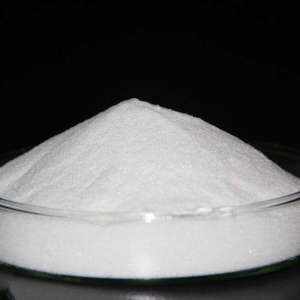
In terms of physical properties, D - Aspartic Acid generally appears as a white crystalline powder, odorless, and with a slightly sour taste. It has good solubility in water, and its solubility increases with the temperature rise. This property is beneficial for its absorption, transport, and metabolism in living organisms, ensuring that it can efficiently reach the action sites to exert its biological effects. Additionally, its solubility in organic solvents is relatively poor, reflecting its strong hydrophilic nature, which plays a crucial guiding role when it participates in biochemical reactions and interacts with biomolecules.
Regarding the biosynthetic pathway, the production mechanisms of D - Aspartic Acid in different organisms vary. In microorganisms, some bacteria can synthesize D - Aspartic Acid through a series of biochemical reactions catalyzed by specific enzyme systems, using simple nutrients such as sugars and nitrogen sources in the environment. For example, during the fermentation process, certain lactic acid bacteria will initiate the expression of relevant genes to synthesize and accumulate a certain amount of D - Aspartic Acid to adapt to environmental changes and their own growth requirements. In higher animals, the synthesis of D - Aspartic Acid is relatively complex. It is closely related to the metabolism of L - Aspartic Acid. Part of it originates from the isomerization of L - Aspartic Acid under the action of specific enzymes. Meanwhile, it is also dynamically regulated by various factors such as hormone levels, neurotransmitters, and cell metabolism states in the body to precisely meet the body's demands at different physiological stages.
The function of D - Aspartic Acid in the nervous system has attracted much attention. Research indicates that it may participate in the synthesis and release regulation of neurotransmitters and play an auxiliary role in signal transmission between neurons. During the critical period of brain development, an appropriate amount of D - Aspartic Acid can promote the proliferation and differentiation of neurons, helping to construct a complex and precise neural network, laying the foundation for the development of an individual's cognitive, learning, and memory abilities. Moreover, in the research on some neurological diseases such as Parkinson's disease and Alzheimer's disease, it has been found that the metabolic level of D - Aspartic Acid in patients is often abnormal. This implies its importance in maintaining the normal function of the nervous system and also provides new clues for the diagnosis and search for treatment targets of these diseases.
In the pharmaceutical field, D - Aspartic Acid shows many potential application values. On the one hand, it can be used as an important intermediate in drug synthesis. With its unique structural characteristics, it participates in constructing molecules with specific pharmacological activities for treating various diseases. For example, when developing drugs for cardiovascular diseases, D - Aspartic Acid derivatives are used to optimize the structure of drug molecules, enhance the affinity between the drug and the target, and improve the treatment effect. On the other hand, based on its impact on the nervous system, researchers are exploring the use of D - Aspartic Acid and its related compounds to develop innovative therapies for neurological diseases. By regulating the level of D - Aspartic Acid in the brain, they aim to improve the symptoms of patients and delay the progression of diseases.
In the nutrition and health care field, D - Aspartic Acid is also gradually emerging. As a functional amino acid, it is added to some sports nutrition supplements and health foods. For athletes and fitness enthusiasts, supplementing products containing D - Aspartic Acid after exercise helps promote the synthesis of muscle proteins, accelerate fatigue recovery, and improve athletic performance. At the same time, in daily health care, it is considered that appropriate intake of D - Aspartic Acid may be beneficial to brain health, helping to maintain cognitive function and prevent the occurrence of neurodegenerative diseases such as Alzheimer's disease.
The industrial field has also found the use of D - Aspartic Acid. In the food industry, it can be used as a food additive to improve the flavor and taste of food. Utilizing its sour taste property, it can be used to formulate unique flavors in beverages, fruit juices, candies, and other products to meet consumers' diverse taste requirements. In the chemical synthesis field, the chiral structure of D - Aspartic Acid becomes a powerful tool for asymmetric synthesis. Using it as a raw material or template, a series of optically active compounds can be synthesized, which are widely applied in high - end fields such as pharmaceuticals and materials science, providing critical technical support for the research and development of new materials and drugs.
However, although D - Aspartic Acid has many benefits, it still needs to be treated with caution when applied. In the pharmaceutical and nutrition and health care fields, excessive intake may disrupt the original metabolic balance in the body and trigger adverse reactions. For example, it may lead to gastrointestinal discomfort, metabolic disorders, and other problems. Especially for special populations such as pregnant women, lactating women, children, and patients with specific diseases, it is necessary to strictly follow professional advice and reasonably control the intake to ensure its safety and effectiveness.







 India
India
