Product
Supplier
Encyclopedia
Inquiry
Home > Inorganic Chemistry > Inorganic Salts > Trisodium phosphate for Sale > raw material Trisodium Phosphate
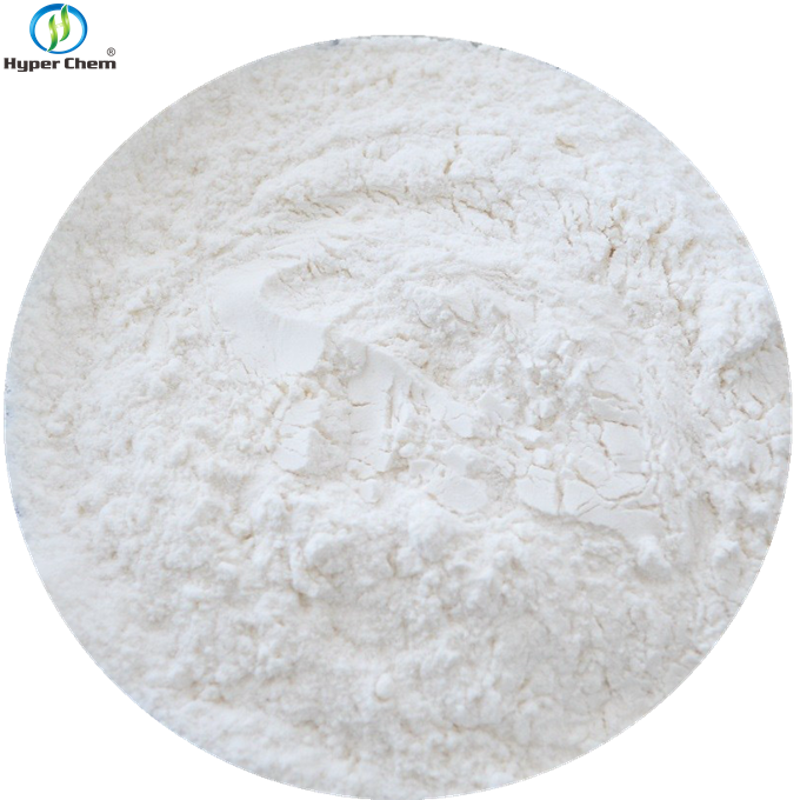
raw material Trisodium Phosphate buy - large image1
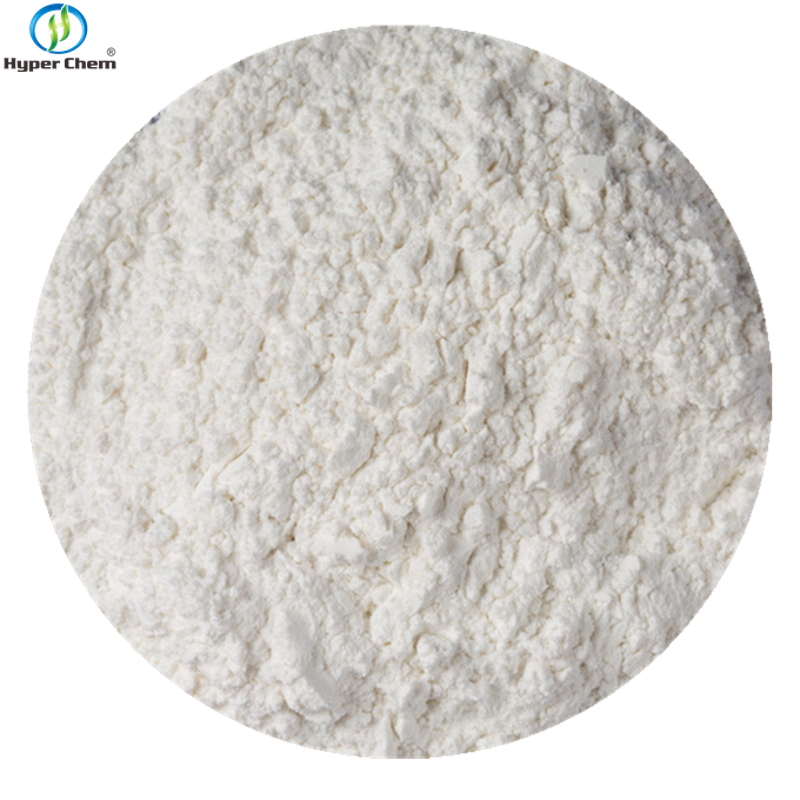
raw material Trisodium Phosphate buy - image1

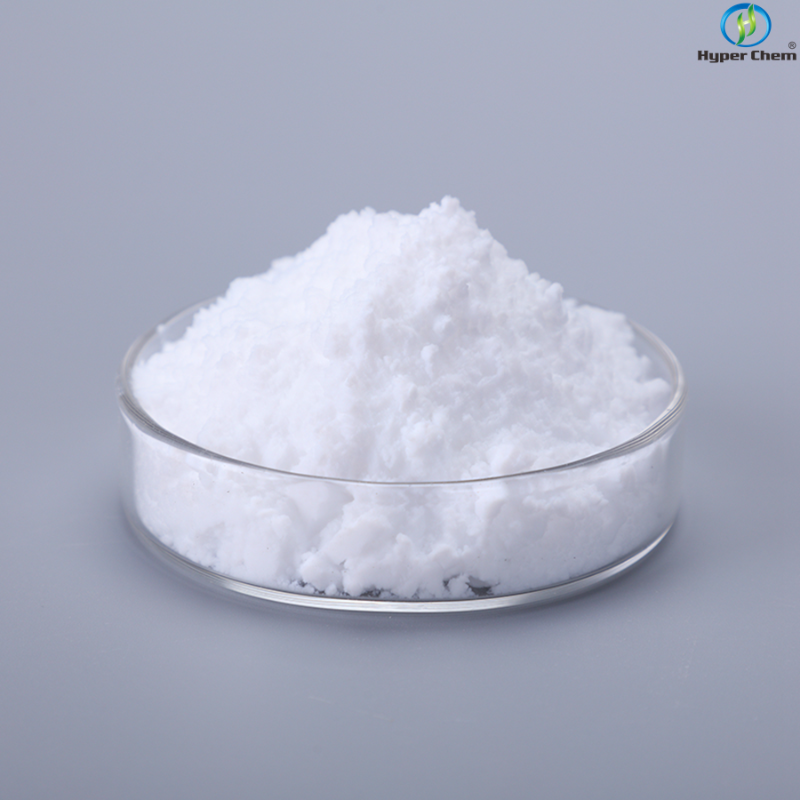
raw material Trisodium Phosphate

33 Inquiries

Unit Price: Get Latest Price
CAS No.:

7601-54-9

Grade:

Pharmaceutical Grade

Content:

99%

Port:

shanghai

Brand:

Hyper Chem

Packaging:

20kg/Drum 25kg/Drum

Price valid (until):

2025-09-19

Company Type:
Trader
Location:
China
Qualification:
Main Products:

Pharmaceuticals,Peptide,Cosmetics,Nutritional Supplements

  • Product Description

  • Seller Information

  • Inquiry History

  • Description

    Name

    Trisodium Phosphate

    CAS number

    7601-54-9

    Description

    Tridsodium Phosphate, Dode Cahydrate- Trisodium Phosphate is used in shampoos, cuticle softeners, bubble baths, and bath salts for its water-softening and cleaning actions.

    Synonym

    Trisodium orthophosphate

    Tromete

    Tribasic sodium phosphate

    Appearance

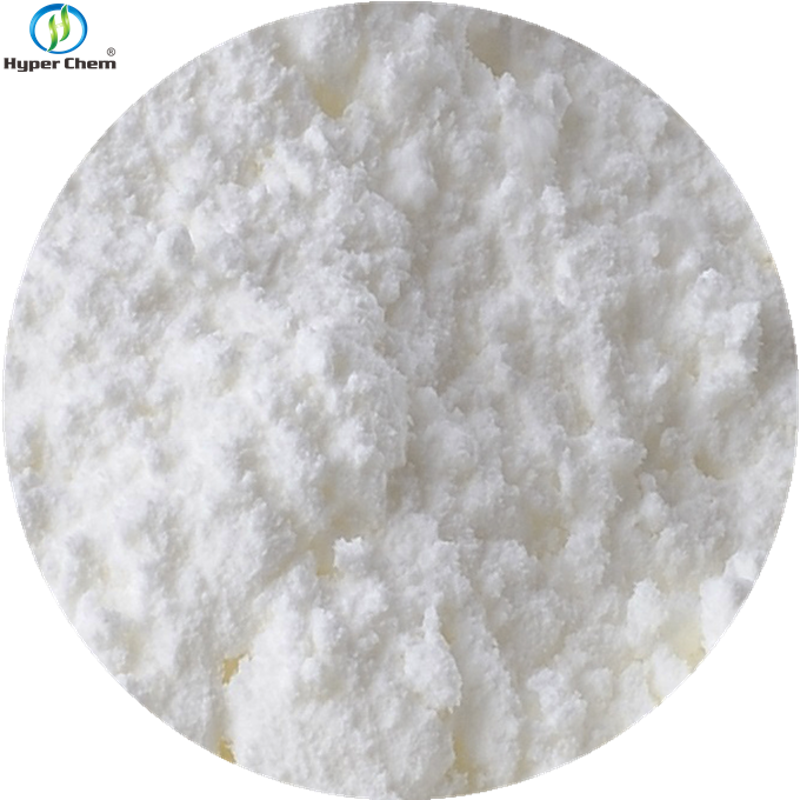
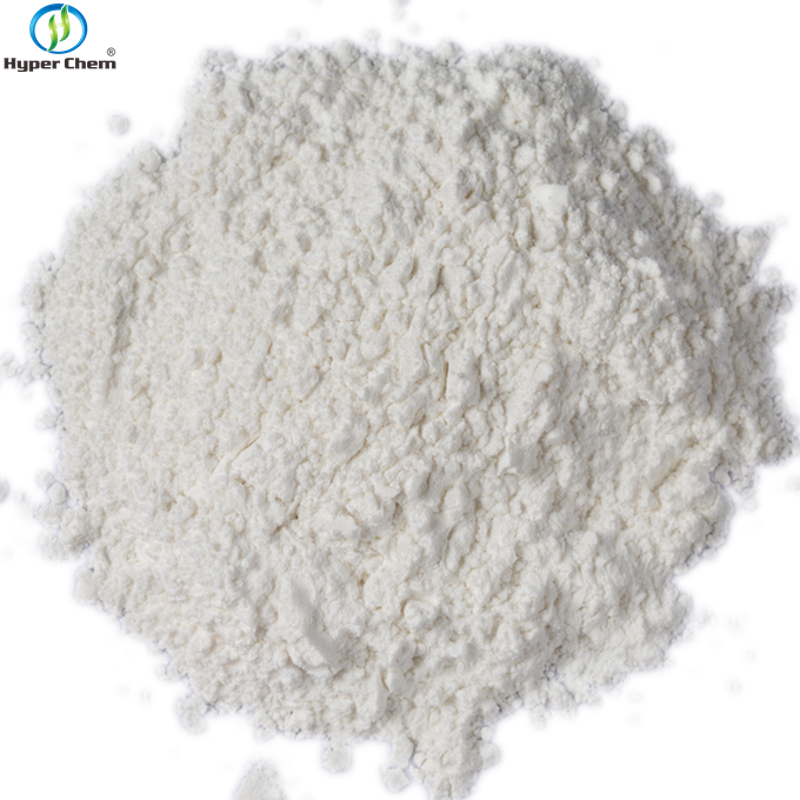
    Solid powder

    Quality Standard

    USP, EP, BP, CP

    Shipping Condition

    Shipped under ambient temperature as non-hazardous chemical. This product is stable enough for a few weeks during ordinary shipping and time spent in Customs.

    Storage Condition

    Dry, dark and at 0 - 4 for short term (days to weeks) or -20 for long term (months to years).

    Shelf Life

    >2 years if stored properly

    Sample package

    Aluminium foil bag

    Commercial package

    Aluminium Tin, Fiber drum

    Origin

    China


    Tridsodium Phosphate (TSP) more Info

    Tridsodium phosphate, often shortened to TSP, is an inorganic compound with the chemical formula Na₃PO₄. It typically appears as a white, granular, or crystalline solid—anhydrous TSP is an odorless powder, while its common hydrate form (dodecahydrate, with the formula Na₃PO₄·12H₂O) consists of colorless or white crystals. A key characteristic of TSP is its high solubility in water: at 20°C, approximately 12 grams of anhydrous TSP can dissolve in 100 milliliters of water, and it is insoluble in organic solvents such as ethanol, ether, and acetone. When dissolved in water, TSP undergoes hydrolysis of the PO₄³⁻ ions, resulting in a strongly alkaline aqueous solution—for a 1% (w/v) water solution, the pH ranges from 11 to 12.


    In terms of molar mass, anhydrous TSP has a value of 163.94 g/mol, while the dodecahydrate form (with 12 water molecules bound) has a higher molar mass of 380.12 g/mol. Anhydrous TSP also has a high melting point, reaching 1,583°C; at this temperature, it melts and may decompose slightly under certain conditions.

    1. Production Methods

    TSP is primarily produced through the neutralization reaction of phosphoric acid (H₃PO₄) with sodium hydroxide (NaOH) or sodium carbonate (Na₂CO₃), a process that targets the full replacement of hydrogen ions in phosphoric acid:


    When using sodium hydroxide: Phosphoric acid is gradually mixed with a concentrated NaOH solution under controlled temperature conditions. The reaction proceeds in stages (first forming monosodium phosphate, then disodium phosphate), and continued addition of NaOH leads to the final formation of TSP. The product is then purified, concentrated, and crystallized (or dried to form anhydrous powder) to remove impurities.

    When using sodium carbonate: Phosphoric acid reacts with Na₂CO₃ in an aqueous solution. This reaction releases carbon dioxide gas and forms intermediate phosphate salts; adjusting the ratio of reactants and pH ensures complete conversion to TSP. This method is sometimes preferred for lower cost, though it requires careful control of reaction conditions to avoid incomplete neutralization.

    2. Key Applications

    TSP’s strong alkalinity, solubility, and ability to chelate metal ions make it versatile across multiple industries:

    2.1 Cleaning & Degreasing

    TSP is widely used as a heavy-duty cleaner and degreaser, especially in industrial and household settings. Its alkaline nature breaks down grease, oil, and organic stains by saponifying fats (converting them into water-soluble soap-like compounds) and emulsifying oils. Common uses include:


    Cleaning industrial equipment (e.g., machinery parts, engines) to remove built-up grease.

    Household cleaning: Historically used for cleaning walls, floors, and tile grout (especially before painting, to remove dirt and grease that could affect paint adhesion). It is also an ingredient in some laundry detergents and dish soaps for tough stains.

    Food industry cleaning: Approved for use in cleaning food-processing equipment (e.g., tanks, conveyors) due to its ability to remove food residues without leaving toxic traces (when rinsed thoroughly).

    2.2 Food Industry

    In the food sector, TSP is recognized as a safe food additive (designated as E339(iii) in the European Union) with multiple functions:


    Emulsifier: Helps mix oil and water-based ingredients in processed foods (e.g., canned soups, sauces, and processed cheeses) to prevent separation.

    pH adjuster: Controls the acidity or alkalinity of food products to improve flavor, texture, or shelf life. For example, it may be added to baked goods to modify dough texture or to canned seafood to maintain product quality.

    Leavening agent: In combination with acidic ingredients (e.g., baking powder components), it reacts to release carbon dioxide, helping dough or batter rise.

    Preservative: Its alkaline environment can inhibit the growth of certain bacteria and fungi, extending the shelf life of some processed foods.

    2.3 Water Treatment

    TSP is used in water treatment to prevent scale formation and control water quality:


    It acts as a sequestering agent (chelator), binding to calcium, magnesium, and other metal ions in hard water. This prevents the formation of calcium carbonate (scale) on pipes, boilers, and water-heating equipment, which can reduce efficiency or cause blockages.

    It also helps adjust the pH of water in industrial cooling systems, preventing corrosion of metal pipes by maintaining a slightly alkaline environment.

    2.4 Other Industrial Uses

    Metallurgy: Used as a flux in metal processing (e.g., soldering or welding) to remove oxide layers from metal surfaces, improving the adhesion of solder or welds.

    Textile Industry: Acts as a pH adjuster and detergent in textile processing, helping to remove impurities from fabric fibers and prepare them for dyeing (alkaline conditions can improve dye absorption).

    Construction: Added to concrete mixes to enhance workability and strength. It reacts with calcium compounds in cement to form stable hydrates, reducing setting time and improving the concrete’s resistance to water and chemicals.

    3. Safety Considerations

    TSP’s strong alkalinity poses risks to human health and the environment, so proper handling is essential:

    3.1 Health Hazards

    Skin & Eye Irritation: Direct contact with TSP (especially dry powder or concentrated solutions) can cause severe irritation, redness, or chemical burns. Prolonged skin contact may lead to dryness, cracking, or tissue damage.

    Respiratory Risks: Inhalation of TSP dust can irritate the nose, throat, and lungs, causing coughing, shortness of breath, or chest discomfort. High concentrations may trigger asthma-like symptoms in sensitive individuals.

    Oral Toxicity: Ingesting TSP (even small amounts) can cause nausea, vomiting, abdominal pain, and diarrhea. Large doses may lead to more severe effects, such as damage to the digestive tract, electrolyte imbalances, or kidney injury (due to high phosphate intake).

    3.2 Safe Handling Guidelines

    Personal Protective Equipment (PPE): Wear gloves (chemical-resistant, e.g., nitrile or rubber), safety goggles (or a face shield), and a dust mask (when handling dry powder) to prevent contact with skin, eyes, and respiratory tract.

    Dilution & Mixing: When preparing TSP solutions, always add TSP to water (not water to TSP) to avoid splashing of concentrated alkaline solution. Stir slowly to prevent excessive heat generation.

    Storage: Keep TSP in a tightly sealed container, away from moisture (to prevent clumping), acids (to avoid dangerous reactions), and food or beverages. Label the container clearly as “Caustic” or “Harmful if Ingested.”

    First Aid: In case of contact:

    Skin: Rinse immediately with plenty of cool water for at least 15 minutes; remove contaminated clothing and wash before reuse.

    Eyes: Flush with water for 15 minutes, keeping eyelids open; seek medical attention immediately.

    Inhalation: Move to fresh air; if breathing is difficult, administer oxygen (if trained) and seek medical help.

    Ingestion: Do not induce vomiting; drink large amounts of water or milk (if conscious) and seek emergency medical care.

    3.3 Environmental Impact

    TSP can contribute to eutrophication if released into water bodies (e.g., via untreated wastewater). Phosphorus from TSP promotes the rapid growth of algae and aquatic plants, which depletes oxygen in water as they decompose. This oxygen depletion harms fish, invertebrates, and other aquatic life. To mitigate this, many regions regulate TSP use in household cleaning products (e.g., restricting its concentration) and require industrial facilities to treat wastewater to remove excess phosphorus before discharge.

    4. Related Notes

    Substitutes: Due to environmental concerns and potential health risks, TSP is often replaced by milder alternatives in household cleaning (e.g., sodium carbonate, baking soda, or plant-based degreasers) and some food applications (e.g., other phosphate salts like disodium phosphate, which is less alkaline).

    Hydrate Stability: The dodecahydrate form of TSP (Na₃PO₄·12H₂O) is hygroscopic—it absorbs moisture from the air—and may effloresce (lose water molecules) in dry conditions, converting to anhydrous or lower hydrate forms. For this reason, anhydrous TSP is preferred for applications requiring stable, dry powder (e.g., industrial cleaning formulations).

    Compatibility: TSP reacts with strong acids (e.g., hydrochloric acid, sulfuric acid) to release heat and form phosphoric acid, which can be dangerous. It should also be kept away from metals like aluminum, as its alkalinity can corrode aluminum surfaces over time.


    Shop raw material Trisodium Phosphate-Detailed Image 1

    Basic Info
    Product Name:

    Trisodium phosphate

    Other Name:

    Phosphoric acid,sodium salt (1:3);Phosphoric acid,trisodium salt;Dri-Tri;Sodium phosphate;Tribasic sodium phosphate;Trisodium orthophosphate;Trisodium phosphate;Tromete;Sodium phosphate (Na3PO4);Sodium phosphate,tribasic;Sodium tertiary phosphate;Antisal 4;Tribasic sodium orthophosphate;Laston RP;AvGard;JR 50A;Prayphos TSP-FG;Na3PO4;Joha T Neu;96337-98-3;1269628-78-5

    CAS No.:

    7601-54-9

    Molecular Formula:

    H3O4P.3Na

    InChIKeys:

    InChIKey=RFRIWRLHYDZFRS-UHFFFAOYSA-N

    Molecular Weight:

    163.94100

    Exact Mass:

    163.92300

    EC Number:

    231-509-8

    UNII:

    SX01TZO3QZ

    ICSC Number:

    1178

    UN Number:

    3262|3082

    DSSTox ID:

    DTXSID2035223

    Color/Form:

    Colorless crystals

    ATC Code:

    A - Alimentary tract and metabolism|B - Blood and blood forming organs

    HScode:

    2835311000

    Categories:

    Inorganic Salts

    Characteristics
    PSA:

    96.06000

    XLogP3:

    0.38600

    Appearance:

    DryPowder; DryPowder, PelletsLargeCrystals, WetSolid; Liquid; PelletsLargeCrystals

    Density:

    2.536 g/cm3 @ Temp: 17.5 °C

    Melting Point:

    75 °C (decomp)

    Boiling Point:

    158ºC at 760 mmHg

    Water Solubility:

    Solubility in water, g/l at 20°C: 121 (good)

    Storage Conditions:

    Keep containers tightly closed in a well ventilated area away from food products. Keep away from heat and water. If allowed to p

    Toxicity:

    LD50 skin in rabbit: > 300mg/kg

    PH:

    Between 11,5 and 12,5 (1 % solution)

    Experimental Properties:

    Crystallizes with 8 and 12 mols of H2O.|Colorless, trigonal crystals; MP: approx 75 °C; density: 1.62 g/cu cm; solubility: 14.4 g/100 g water at 25 °C; qualitative solubility: insoluble in ethanol /Trisodium phosphate dodecahydrate/|Trisodium phosphate tends to pick up moisture from air and form a hard cake.

    Corrosivity:

    When wet, mild steel or brass may be corroded by trisodium phosphate.

    Hazard Identification

    Classification of the substance or mixture

    Skin irritation, Category 2

    Eye irritation, Category 2

    Specific target organ toxicity – single exposure, Category 3

    GHS label elements, including precautionary statements

    Pictogram(s)

    Signal word

    Warning

    Hazard statement(s)

    H315 Causes skin irritation

    H319 Causes serious eye irritation

    H335 May cause respiratory irritation

    Precautionary statement(s)
    Prevention

    P264 Wash ... thoroughly after handling.

    P280 Wear protective gloves/protective clothing/eye protection/face protection/hearing protection/...

    P261 Avoid breathing dust/fume/gas/mist/vapours/spray.

    P271 Use only outdoors or in a well-ventilated area.

    Response

    P302+P352 IF ON SKIN: Wash with plenty of water/...

    P321 Specific treatment (see ... on this label).

    P332+P317 If skin irritation occurs: Get medical help.

    P362+P364 Take off contaminated clothing and wash it before reuse.

    P305+P351+P338 IF IN EYES: Rinse cautiously with water for several minutes. Remove contact lenses, if present and easy to do. Continue rinsing.

    P304+P340 IF INHALED: Remove person to fresh air and keep comfortable for breathing.

    P319 Get medical help if you feel unwell.

    Storage

    P403+P233 Store in a well-ventilated place. Keep container tightly closed.

    P405 Store locked up.

    Disposal

    P501 Dispose of contents/container to an appropriate treatment and disposal facility in accordance with applicable laws and regulations, and product characteristics at time of disposal.

    Other hazards which do not result in classification

    no data available

    Handling and Storage

    Precautions for safe handling

    Handling in a well ventilated place. Wear suitable protective clothing. Avoid contact with skin and eyes. Avoid formation of dust and aerosols. Use non-sparking tools. Prevent fire caused by electrostatic discharge steam.

    Conditions for safe storage, including any incompatibilities

    Separated from strong acids. Dry. Well closed.

  • Seller Information
    Business Type:

    Trader

    Main Products:

    Pharmaceuticals,Peptide,Cosmetics,Nutritional Supplements

    Location:

    Rm. 803, Tower 4, LOFT49 Creative City Pioneer Zone, No.88 Jiru Rd. Gongshu Dist., Hangzhou, 310015 ZJ, China

    Payment Terms:

    TT against copy of documents,D/P,L/C,D/A,O/A,TT against B/L draft before shipment,100% TT in advance

    Average lead Time:

    10

    Total Annual Revenue:

    $5 million-$10 million

    Total Employees:

    11-50

    Year of Establishment:

    2013

    Certifications:

    Certification Report by Bureau Veritas

    About HyperChem

    Established in 2013, Hyper Chem has exclusive tie-ups with leading manufacturers, supplying raw materials produced in GMP and ISO 9002 certified facilities, and provides high-quality ingredients and raw materials to meet the needs of a diverse range of pharmaceutical cosmetics ingredients and nootropic supplements companies worldwide.

    Our Competitiveness

    One-stop supply

    Wide Range Of products including pharmaceutical, Cosmetic Ingredients and nootropic supplements

    Among all the pharmaceuticals,

    90% of them with GMP certificates,

    85% of them with DMF files and

    50% of them passed FDA approval,

    30% get CEP certificate

    20% are new R&D products.

    Custom Repackaging Service


    We can efficiently repackage your material into sample sizes, custom batch-specific sizes, or semi-bulk package sizes according to your specifications. And ensures the product is packaged in a quality-controlled environment and will maintain its integrity throughout every stage of the process.

    Quality Control/Quality Assurance


    HyperChem is committed to delivering on its promises of top-quality products with verified quality data.

    All materials are vigorously inspected by the factory and/or outsourced analytical laboratories to ensure each and every lot meets or exceeds our reference standards.

    Trade assurance service with 100% payment protection, It is best achieved by delivering products and services 100% right the first time, on time, every time.

    Professional

    Transparent Communication

    Fast Reaction,

    Professional Suggestion

    Beyond Expectation.

    We have exclusive partnerships with research and production facilities across the country and we offer varied pharmaceutical services in the most cost-efficient way. The production facilities are GMP, WHO-GMP, EU GMP and US FDA approved and are backed by strong regulatory support such as Dossier, DMF, Tech Pack and relevant Stability studies for regulatory filings.

  • Inquiry History
    33 Inquiries
    Country Product Purchase Quantity Date Posted
    Germany

    Trisodium Phosphate

    240 KG Jun 14, 2024
    Oman

    Trisodium Phosphate Anhydrous

    250 KG Feb 1, 2025
    Ivory Coast

    Trisodium Phosphate

    25 KG Apr 28, 2026
    Saudi Arabia

    Trisodium Phosphate

    550  Oct 7, 2025
    Mongolia

    Trisodium Phosphate Na3po4

    1 KG Sep 2, 2025
    Guam

    Trisodium Phosphate

    126 KG Aug 21, 2025
    India

    TSP (Tri Sodium Phospahte) Tech Grade

    200.00 MT May 31, 2025
    India

    SP TRI SODIUM PHOSPHATE Crystals Purity:98%

    100.00 TON May 24, 2025
    Qatar

    Trisodium Phosphate

    1.00 20' Fcl Feb 26, 2025
    India

    Trisodium phosphate

    800.00 KG Aug 22, 2024
    Kuwait

    TSP-Trisodium phosphate

    1.00 20' Fcl Jul 31, 2024
    Pakistan

    Trisodium Phosphate Anhydrous

    1000 KG Jul 8, 2024
    Hongkong, China

    Trisodium Phosphate Na3 O4 P(Food Grade)

    25 MT May 31, 2024
    Vietnam

    Na3PO4

    5 MT May 6, 2026
    Pakistan

    Trisodium Phosphate

    1000 KG Mar 29, 2026
    Turkmenistan

    Industrial Trisodium Phosphate

    1 KG Aug 18, 2025
    Pakistan

    Trisodium phosphate

    1 MT Jun 12, 2025
    China

    Pharmaceutical-grade Trisodium Phosphate

    45 KG May 22, 2025
    Denmark

    Anhydrous Trisodium Phosphate

    3 MT Feb 27, 2025
    Mongolia

    Trisodic Phosphate

    1 TON Oct 18, 2024
    • 1
    • 2
    • Go to Page Go
    Post an enquiry for this product
pic ×

Scan the QR Code to Share

All products displayed on this website are only for non-medical purposes such as industrial applications or scientific research, and cannot be used for clinical diagnosis or treatment of humans or animals. They are not medicinal or edible.

According to relevant laws and regulations and the regulations of this website, units or individuals who purchase hazardous materials should obtain valid qualifications and qualification conditions.

The information shown above is provided by the enterprise itself, and the authenticity, accuracy and legitimacy of the content are the responsibility of the publishing company. ECHEMI does not bear any guarantee responsibility for this. Please be aware that risks in internet transactions objectively exist.

Feedback & Suggestions
Send Message

Thank you for your feedback. If you require further assistance, please contact us by email at info@echemi.com or call us at +86-532-55729510.