Product
Supplier
Encyclopedia
Inquiry
Home > Pharmaceutical Intermediates > Antispasticity Agents > Capsaicin for Sale > Reagent Grade 98% Natural Capsaicin 404-86-4
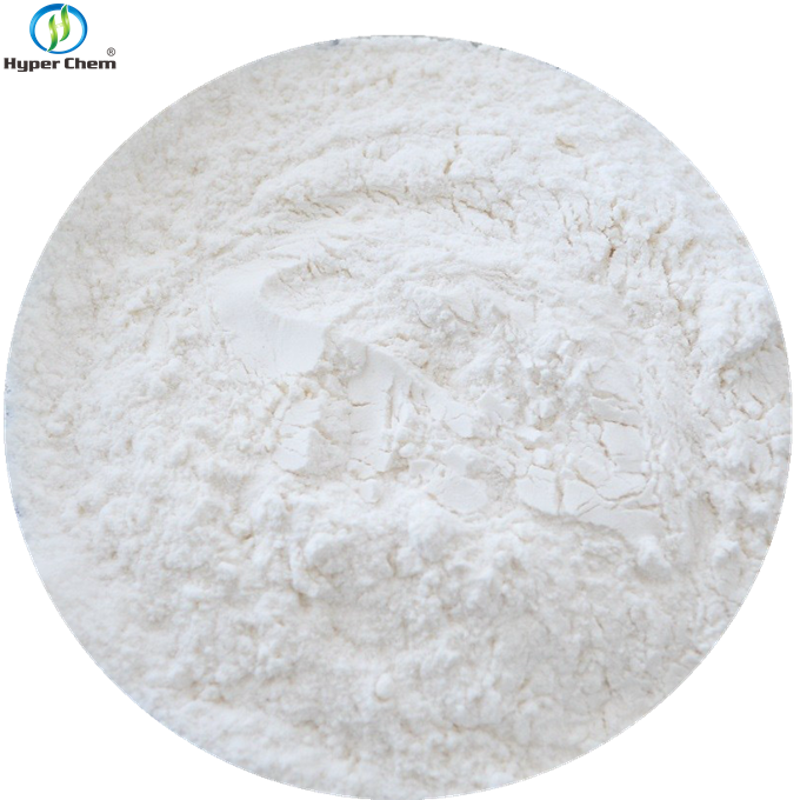
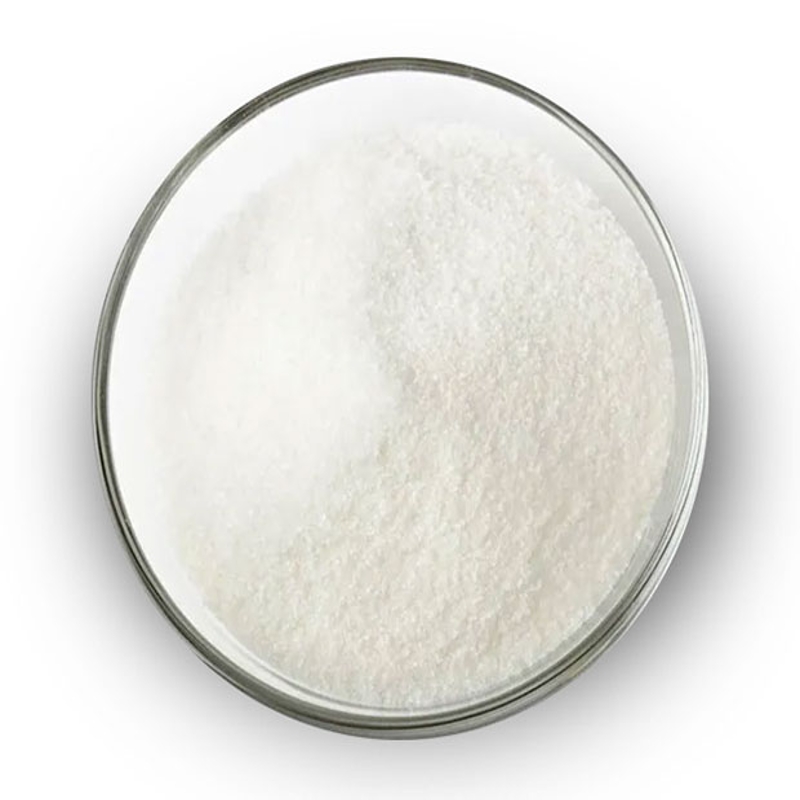
Reagent Grade 98% Natural Capsaicin 404-86-4 buy - large image1
Reagent Grade 98% Natural Capsaicin 404-86-4 buy - image1
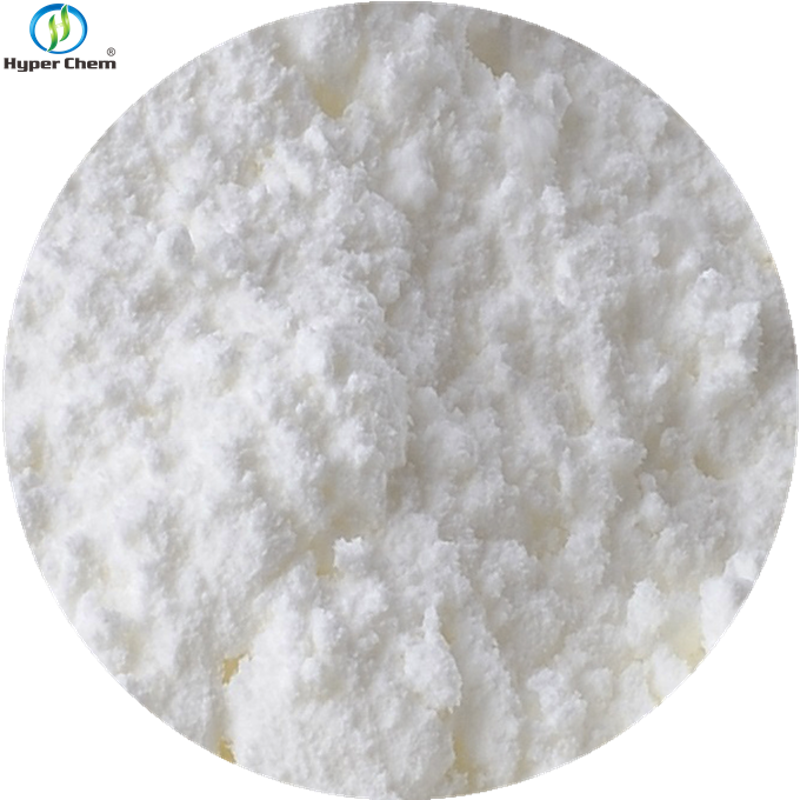
Reagent Grade 98% Natural Capsaicin 404-86-4 buy - image2
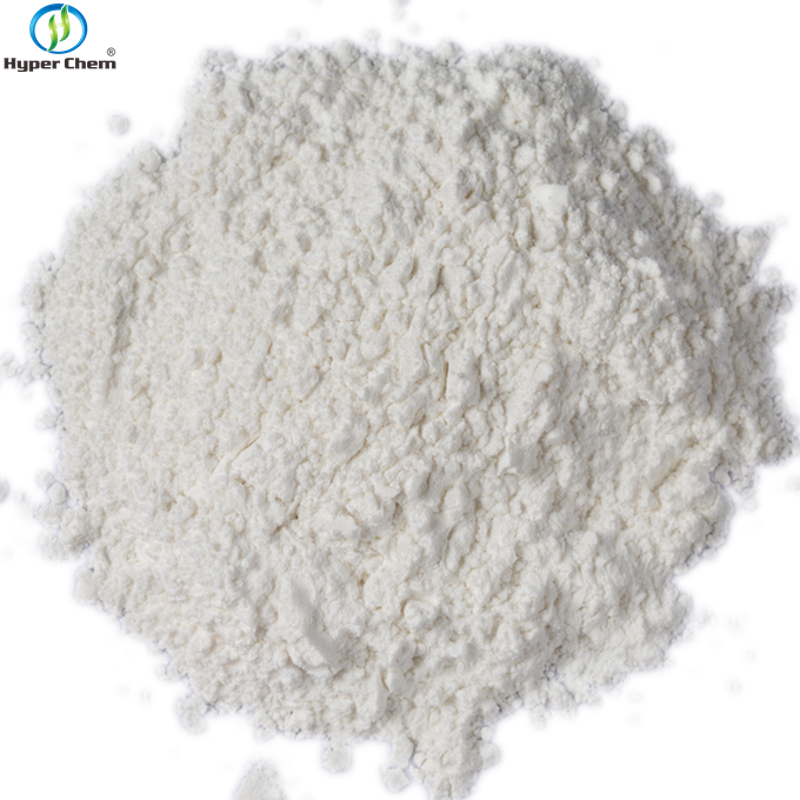
Reagent Grade 98% Natural Capsaicin 404-86-4 buy - image3
Reagent Grade 98% Natural Capsaicin 404-86-4 buy - image4
Reagent Grade 98% Natural Capsaicin 404-86-4 buy - image5
Reagent Grade 98% Natural Capsaicin 404-86-4 buy - image6

Reagent Grade 98% Natural Capsaicin 404-86-4

TDS 8 Inquiries

Unit Price: Get Latest Price
CAS No.:

404-86-4

Grade:

Pharmaceutical Grade

Content:

99%

Port:

SHANGHAI

Brand:

HyperChem

Packaging:

1kg/Bag, 25kg/drum

Price valid (until):

2025-10-08

Company Type:
Trader
Location:
China
Qualification:
Main Products:

Pharmaceuticals,Peptide,Cosmetics,Nutritional Supplements

  • Product Description

  • Seller Information

  • Inquiry History

  • Description

    Name

    Capsaicin

    CAS number

    404-86-4

    Description

    Capsaicin, with the CAS number 404-86-4, is a naturally occurring vanilloid compound and the primary bioactive component responsible for the pungent, spicy sensation of chili peppers (e.g., Capsicum annuum, Capsicum frutescens).

    Structural formula

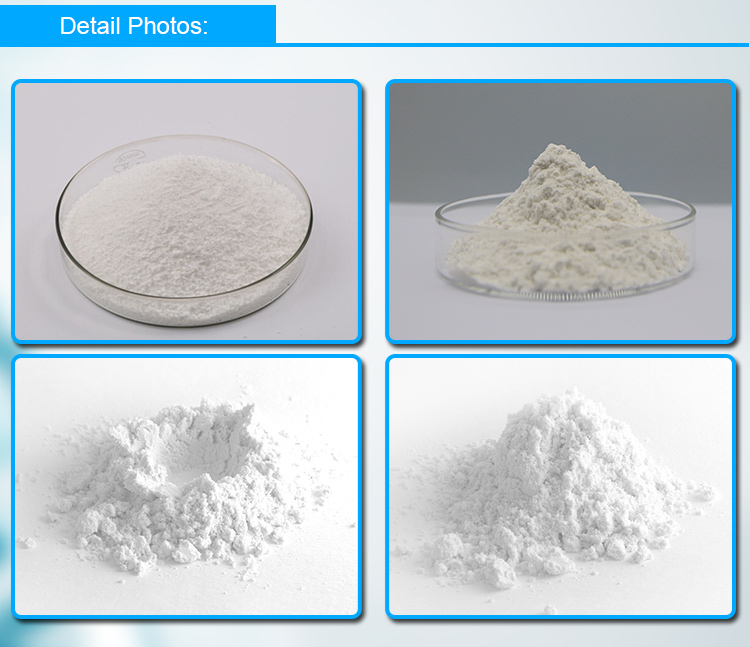
     Shop Reagent Grade 98% Natural Capsaicin 404-86-4-Detailed Image 1

    Molecular Formula

    C18H27NO3

    Molecular Weight

    305.41 g/mol

    Appearance

    White powder

    Quality Standard

    99%

    Storage Condition

    Cool dry place( away from the light)

    Shelf Life

    >2 years if stored properly

    Sample package

    Aluminium foil bag

    Commercial package

    Aluminium Tin, Fiber drum

    Origin

    China


    Epitalon More Info

    Basic Information & Chemical Properties

    Capsaicin, with the CAS number 404-86-4, is a naturally occurring vanilloid compound and the primary bioactive component responsible for the pungent, spicy sensation of chili peppers (e.g., Capsicum annuum, Capsicum frutescens). Chemically classified as a lipophilic alkaloid, its molecular formula is C18H 27NO 3, and its structure consists of a vanillyl group (a phenol ring with a methoxy group and hydroxyl group) linked to an amide chain (8-methyl-non-6-enamide). In its pure form, capsaicin appears as a colorless to pale yellow crystalline solid at room temperature, with a melting point ranging from 62°C to 65°C and a boiling point of approximately 210°C (under reduced pressure, as it decomposes at higher atmospheric pressures). It is sparingly soluble in water but highly soluble in organic solvents such as ethanol, acetone, chloroform, and vegetable oils—this lipophilicity enables it to penetrate cell membranes and biological tissues, which is critical to its biological activity. Naturally, capsaicin content varies across chili varieties: for example, mild bell peppers contain negligible amounts, while hot habaneros or Carolina Reapers can have concentrations exceeding 15,000 Scoville Heat Units (SHU)—a scale used to measure chili pungency—though pure capsaicin itself registers at ~16,000,000 SHU.


    Biological Mechanism of Action

    Capsaicin exerts its effects primarily by interacting with the transient receptor potential vanilloid 1 (TRPV1) channel, a non-selective cation channel expressed on sensory neurons (particularly those involved in pain and temperature perception) and various non-neuronal cells (e.g., keratinocytes, immune cells). When capsaicin binds to TRPV1, it triggers the channel to open, allowing the influx of calcium (Ca 2+)and sodium (Na + ) ions into the cell. This ion flux depolarizes the sensory neuron, generating an action potential that is transmitted to the central nervous system and perceived as a burning or painful sensation (even though capsaicin does not cause actual tissue damage, the signal mimics that of extreme heat). Prolonged or repeated exposure to capsaicin can also cause desensitization of TRPV1: excessive calcium influx leads to neuronal exhaustion, reducing the channel’s responsiveness and temporarily blunting pain signaling—this phenomenon underlies the use of capsaicin in pain-relief therapies (e.g., topical creams for neuropathic pain). Beyond pain modulation, TRPV1 activation by capsaicin also influences inflammatory pathways, metabolic processes (e.g., boosting thermogenesis and fat oxidation), and gut motility, contributing to its diverse physiological impacts.


    Diverse Applications Across Industries

    Capsaicin’s unique properties have spawned applications in multiple sectors. In medicine, it is a cornerstone of topical analgesics (e.g., creams, patches) for chronic pain conditions like post-herpetic neuralgia, diabetic neuropathy, and osteoarthritis—its desensitizing effect on TRPV1 reduces pain signaling without systemic side effects. In agriculture, capsaicin-based formulations serve as eco-friendly pesticides and repellents: they deter pests (e.g., insects, rodents, deer) from crops without harming beneficial organisms or leaving toxic residues, aligning with sustainable farming practices. The food industry leverages capsaicin for flavor (e.g., hot sauces, spicy snacks) and preservation (its antimicrobial properties inhibit growth of bacteria like Salmonella and E. coli in some foods). In self-defense and safety, capsaicin is the active ingredient in pepper sprays, where its intense irritant effect on eyes, skin, and respiratory tracts temporarily disables threats. Additionally, research explores its potential in cosmetics (e.g., anti-cellulite creams, via promoting blood flow) and weight management (via enhancing metabolism and reducing appetite), though these applications require further clinical validation.


    Safety, Toxicology, and Regulatory Status

    Capsaicin is generally recognized as safe (GRAS) for culinary use by regulatory bodies like the U.S. FDA and EFSA, given its long history in food. However, acute exposure to high concentrations (e.g., pure capsaicin or strong pepper sprays) can cause irritation: skin contact triggers redness, burning, and blistering; eye contact induces severe pain, tearing, and temporary vision impairment; inhalation leads to coughing, wheezing, and shortness of breath. These effects are usually transient but require prompt first aid (e.g., flushing with water, using mild soap). For chronic or therapeutic use (e.g., topical pain patches), side effects are milder but may include skin irritation at the application site. Toxicological studies show low acute toxicity (oral LD₅₀ in rodents is ~47.2 mg/kg, meaning large doses are needed to cause harm) and no evidence of carcinogenicity or mutagenicity in standard tests. Regulatory approval for medical applications (e.g., prescription pain creams) requires adherence to specific dosage and formulation guidelines, while consumer products (e.g., pepper sprays) are regulated for safety and potency to ensure they incapacitate without causing permanent injury.


    Basic Information & Chemical Properties

    Capsaicin, with the CAS number 404-86-4, is a naturally occurring vanilloid compound and the primary bioactive component responsible for the pungent, spicy sensation of chili peppers (e.g., Capsicum annuum, Capsicum frutescens). Chemically classified as a lipophilic alkaloid, its molecular formula is C18H 27NO 3, and its structure consists of a vanillyl group (a phenol ring with a methoxy group and hydroxyl group) linked to an amide chain (8-methyl-non-6-enamide). In its pure form, capsaicin appears as a colorless to pale yellow crystalline solid at room temperature, with a melting point ranging from 62°C to 65°C and a boiling point of approximately 210°C (under reduced pressure, as it decomposes at higher atmospheric pressures). It is sparingly soluble in water but highly soluble in organic solvents such as ethanol, acetone, chloroform, and vegetable oils—this lipophilicity enables it to penetrate cell membranes and biological tissues, which is critical to its biological activity. Naturally, capsaicin content varies across chili varieties: for example, mild bell peppers contain negligible amounts, while hot habaneros or Carolina Reapers can have concentrations exceeding 15,000 Scoville Heat Units (SHU)—a scale used to measure chili pungency—though pure capsaicin itself registers at ~16,000,000 SHU.


    Biological Mechanism of Action

    Capsaicin exerts its effects primarily by interacting with the transient receptor potential vanilloid 1 (TRPV1) channel, a non-selective cation channel expressed on sensory neurons (particularly those involved in pain and temperature perception) and various non-neuronal cells (e.g., keratinocytes, immune cells). When capsaicin binds to TRPV1, it triggers the channel to open, allowing the influx of calcium (Ca 2+)and sodium (Na + ) ions into the cell. This ion flux depolarizes the sensory neuron, generating an action potential that is transmitted to the central nervous system and perceived as a burning or painful sensation (even though capsaicin does not cause actual tissue damage, the signal mimics that of extreme heat). Prolonged or repeated exposure to capsaicin can also cause desensitization of TRPV1: excessive calcium influx leads to neuronal exhaustion, reducing the channel’s responsiveness and temporarily blunting pain signaling—this phenomenon underlies the use of capsaicin in pain-relief therapies (e.g., topical creams for neuropathic pain). Beyond pain modulation, TRPV1 activation by capsaicin also influences inflammatory pathways, metabolic processes (e.g., boosting thermogenesis and fat oxidation), and gut motility, contributing to its diverse physiological impacts.


    Diverse Applications Across Industries

    Capsaicin’s unique properties have spawned applications in multiple sectors. In medicine, it is a cornerstone of topical analgesics (e.g., creams, patches) for chronic pain conditions like post-herpetic neuralgia, diabetic neuropathy, and osteoarthritis—its desensitizing effect on TRPV1 reduces pain signaling without systemic side effects. In agriculture, capsaicin-based formulations serve as eco-friendly pesticides and repellents: they deter pests (e.g., insects, rodents, deer) from crops without harming beneficial organisms or leaving toxic residues, aligning with sustainable farming practices. The food industry leverages capsaicin for flavor (e.g., hot sauces, spicy snacks) and preservation (its antimicrobial properties inhibit growth of bacteria like Salmonella and E. coli in some foods). In self-defense and safety, capsaicin is the active ingredient in pepper sprays, where its intense irritant effect on eyes, skin, and respiratory tracts temporarily disables threats. Additionally, research explores its potential in cosmetics (e.g., anti-cellulite creams, via promoting blood flow) and weight management (via enhancing metabolism and reducing appetite), though these applications require further clinical validation.


    Safety, Toxicology, and Regulatory Status

    Capsaicin is generally recognized as safe (GRAS) for culinary use by regulatory bodies like the U.S. FDA and EFSA, given its long history in food. However, acute exposure to high concentrations (e.g., pure capsaicin or strong pepper sprays) can cause irritation: skin contact triggers redness, burning, and blistering; eye contact induces severe pain, tearing, and temporary vision impairment; inhalation leads to coughing, wheezing, and shortness of breath. These effects are usually transient but require prompt first aid (e.g., flushing with water, using mild soap). For chronic or therapeutic use (e.g., topical pain patches), side effects are milder but may include skin irritation at the application site. Toxicological studies show low acute toxicity (oral LD₅₀ in rodents is ~47.2 mg/kg, meaning large doses are needed to cause harm) and no evidence of carcinogenicity or mutagenicity in standard tests. Regulatory approval for medical applications (e.g., prescription pain creams) requires adherence to specific dosage and formulation guidelines, while consumer products (e.g., pepper sprays) are regulated for safety and potency to ensure they incapacitate without causing permanent injury.


    Package Image

    Shop High Quality Oxytocin CAS 50-56-6-Detailed Image 2

    Shop USP Quality Standard API Finasteride Powder with CAS 98319-26-7-Detailed Image 3


    FAQ

    Q1. Can I get a free sample?

    We can send you a samll free sample, and you only need to pay for the shipping cost.


    Q2. What is the HyperChem payment term?

    T/T in advance
    LC at sight
    DP at sight

    Bank transfer

    PayPal

    Bitcoin...


    Q3. What is HyperChem shipment policy?

    Our policy is to strive for the quickest shipment time possible.

    For ready stock samples, they are usually shipped within 3 working days after payment received.
    For non-ready stock, please contact HyperChem sales team to negotiate.


    Q4. What is HyperChem shipment term?

    By Express  
    FedEx  UPS  DHL  EMS                               
    Fast: 3-7 days around, high cost, door to door service

    By Air                                        
    Suitable for more than 50kg 
    Fast: 3-7 days, hight cost, port to port, professional broker needed 

    By Sea
    Suitable for more than 500kg      
    Fast: 7-45 days, low cost, port to port, professional broker needed 


    We will always attempt to utilize the quickest and most affordable way for customers to receive orders. And follow -up with customers via email for all shipment details as well as updated track information until it arrives without damage.


    Q5. What HyperChem will provide after shipment?

    For sample orders: 
    After shipment is done, an timely email including:

    1. Track details (Fedex /TNT/DHL/EMS Track number)
    2. Packaging photo
    3. COA, MSDS, etc
    4. Dispatch date & Estimated arriving time
    5. Shipping invoice

    For commercial orders
    A full set of shipment documents as well as package photos can be provided in scan-copy and original, to help customers complete the customs clearance process.


    Company Profile

    Established in 2013, Hyper Chem has exclusive tie-ups with leading manufacturers, supplying raw materials produced in GMP and ISO 9002 certified facilities, and provides high-quality ingredients and raw materials to cater to the requirements of our diverse range of clients.


    Among them, our key client industrial sectors around the global are:

    Pharmaceuticals
    Nutrition Ingredients/ Dietary supplements
    Cosmetic Ingredients
    Food Ingredients
    Veterinary API
    Agriculture fertilizer
    Custom Synthesis lab supply


    HyperChem provides to its wonderful and honorable clients comprehensive purchasing and distribution services which ensure that we are delivering the right generic, raw, or customized product, make sure that we are delivering it at the right time, ensure that it is delivered in the specified amount, and in the right kind of packaging to clients and customers of all types of industries irrespective of their size of operation.


    Certificates

    Basic Info
    Product Name:

    Capsaicin

    Other Name:

    6-Nonenamide,N-[(4-hydroxy-3-methoxyphenyl)methyl]-8-methyl-,(6E)-;Capsaicin;6-Nonenamide,8-methyl-N-vanillyl-,(E)-;6-Nonenamide,N-[(4-hydroxy-3-methoxyphenyl)methyl]-8-methyl-,(E)-;(6E)-N-[(4-Hydroxy-3-methoxyphenyl)methyl]-8-methyl-6-nonenamide;Capsaicine;(E)-N-(4-Hydroxy-3-methoxybenzyl)-8-methylnon-6-enamide;Ratden PE 40;Zostrix;Capsin P 50;Mioton;trans-8-Methyl-N-vanillyl-6-nonenamide;Axsain;NSC 56353;Dolenon;N-(4-Oxy-3-methoxybenzyl)-8-methyl-6-nonenamide;Togarashi Orenji;E-Capsaicin;ALGRX 4975;Capzasin-HP;NGX 4010;Adlea;Ovocap;Qutenza;Ausanil;trans-Capsaicin;Chilli Orange;(E)-8-Methyl-N-vanillyl-6-nonenamide;Capsicin;912457-62-6

    CAS No.:

    404-86-4

    Molecular Formula:

    C18H27NO3

    InChIKeys:

    InChIKey=YKPUWZUDDOIDPM-SOFGYWHQSA-N

    Molecular Weight:

    305.41200

    Exact Mass:

    305.41

    EC Number:

    917-707-3

    HScode:

    2932999099

    Categories:

    Antispasticity Agents

    Characteristics
    PSA:

    58.56000

    XLogP3:

    4.18050

    Appearance:

    Solid

    Density:

    1.041g/cm3

    Melting Point:

    65 °C

    Boiling Point:

    210-220 °C @ Press: 0.01 Torr

    Flash Point:

    263.1ºC

    Refractive Index:

    1.508

    Water Solubility:

    H2O: insoluble ;soluble in petroleum ether. Slightly soluble in concentrated hydrochloric acid

    Storage Conditions:

    2-8ºC

    Vapor Pressure:

    1.32X10⁻⁸ mm Hg at 25 deg C (est)

    Toxicity:

    LD50 oral in mouse: 47200ug/kg

    Odor:

    Highly volatile with a pungent odor

    Taste:

    Burning taste detectable in 1 part in 100,000

    Hazard Identification

    Classification of the substance or mixture

    Acute toxicity - Category 4, Oral

    Skin irritation, Category 2

    Serious eye damage, Category 1

    GHS label elements, including precautionary statements

    Pictogram(s)

    Signal word

    Danger

    Hazard statement(s)

    H302 Harmful if swallowed

    H315 Causes skin irritation

    H318 Causes serious eye damage

    Precautionary statement(s)
    Prevention

    P264 Wash ... thoroughly after handling.

    P270 Do not eat, drink or smoke when using this product.

    P280 Wear protective gloves/protective clothing/eye protection/face protection/hearing protection/...

    Response

    P301+P317 IF SWALLOWED: Get medical help.

    P330 Rinse mouth.

    P302+P352 IF ON SKIN: Wash with plenty of water/...

    P321 Specific treatment (see ... on this label).

    P332+P317 If skin irritation occurs: Get medical help.

    P362+P364 Take off contaminated clothing and wash it before reuse.

    P305+P354+P338 IF IN EYES: Immediately rinse with water for several minutes. Remove contact lenses, if present and easy to do. Continue rinsing.

    P317 Get medical help.

    Storage

    none

    Disposal

    P501 Dispose of contents/container to an appropriate treatment and disposal facility in accordance with applicable laws and regulations, and product characteristics at time of disposal.

    Other hazards which do not result in classification

    no data available

    Handling and Storage

    Precautions for safe handling

    Handling in a well ventilated place. Wear suitable protective clothing. Avoid contact with skin and eyes. Avoid formation of dust and aerosols. Use non-sparking tools. Prevent fire caused by electrostatic discharge steam.

    Conditions for safe storage, including any incompatibilities

    Keep container tightly closed in a dry and well-ventilated place. Recommended storage temperature: 2 - 8 deg C.

  • Seller Information
    Business Type:

    Trader

    Main Products:

    Pharmaceuticals,Peptide,Cosmetics,Nutritional Supplements

    Location:

    Rm. 803, Tower 4, LOFT49 Creative City Pioneer Zone, No.88 Jiru Rd. Gongshu Dist., Hangzhou, 310015 ZJ, China

    Payment Terms:

    TT against copy of documents,D/P,L/C,D/A,O/A,TT against B/L draft before shipment,100% TT in advance

    Average lead Time:

    10

    Total Annual Revenue:

    $5 million-$10 million

    Total Employees:

    11-50

    Year of Establishment:

    2013

    Certifications:

    Certification Report by Bureau Veritas

    About HyperChem

    Established in 2013, Hyper Chem has exclusive tie-ups with leading manufacturers, supplying raw materials produced in GMP and ISO 9002 certified facilities, and provides high-quality ingredients and raw materials to meet the needs of a diverse range of pharmaceutical cosmetics ingredients and nootropic supplements companies worldwide.

    Our Competitiveness

    One-stop supply

    Wide Range Of products including pharmaceutical, Cosmetic Ingredients and nootropic supplements

    Among all the pharmaceuticals,

    90% of them with GMP certificates,

    85% of them with DMF files and

    50% of them passed FDA approval,

    30% get CEP certificate

    20% are new R&D products.

    Custom Repackaging Service


    We can efficiently repackage your material into sample sizes, custom batch-specific sizes, or semi-bulk package sizes according to your specifications. And ensures the product is packaged in a quality-controlled environment and will maintain its integrity throughout every stage of the process.

    Quality Control/Quality Assurance


    HyperChem is committed to delivering on its promises of top-quality products with verified quality data.

    All materials are vigorously inspected by the factory and/or outsourced analytical laboratories to ensure each and every lot meets or exceeds our reference standards.

    Trade assurance service with 100% payment protection, It is best achieved by delivering products and services 100% right the first time, on time, every time.

    Professional

    Transparent Communication

    Fast Reaction,

    Professional Suggestion

    Beyond Expectation.

    We have exclusive partnerships with research and production facilities across the country and we offer varied pharmaceutical services in the most cost-efficient way. The production facilities are GMP, WHO-GMP, EU GMP and US FDA approved and are backed by strong regulatory support such as Dossier, DMF, Tech Pack and relevant Stability studies for regulatory filings.

  • Inquiry History
    8 Inquiries
    Country Product Purchase Quantity Date Posted
    India

    Capsaicin

    5 KG Feb 28, 2024
    Pakistan

    Capsaicin

    1 KG Jan 20, 2026
    Pakistan

    Capsaicin

    25 KG Jan 19, 2026
    South Africa

    capsaicin

    2 KG Nov 5, 2024
    Israel

    Synthetic capsaicin 99%

    1 KG Nov 6, 2023
    Malaysia

    Synthetic capsaicin 99%

    2 KG Nov 10, 2023
    South Africa

    Synthetic capsaicin 99%

    500 KG Nov 8, 2023
    United States

    Capsicum 99.99% White powder

    2 KG Aug 26, 2023
    Post an enquiry for this product
pic ×

Scan the QR Code to Share

All products displayed on this website are only for non-medical purposes such as industrial applications or scientific research, and cannot be used for clinical diagnosis or treatment of humans or animals. They are not medicinal or edible.

According to relevant laws and regulations and the regulations of this website, units or individuals who purchase hazardous materials should obtain valid qualifications and qualification conditions.

The information shown above is provided by the enterprise itself, and the authenticity, accuracy and legitimacy of the content are the responsibility of the publishing company. ECHEMI does not bear any guarantee responsibility for this. Please be aware that risks in internet transactions objectively exist.

Feedback & Suggestions
Send Message

Thank you for your feedback. If you require further assistance, please contact us by email at info@echemi.com or call us at +86-532-55729510.