Product
Supplier
Encyclopedia
Inquiry
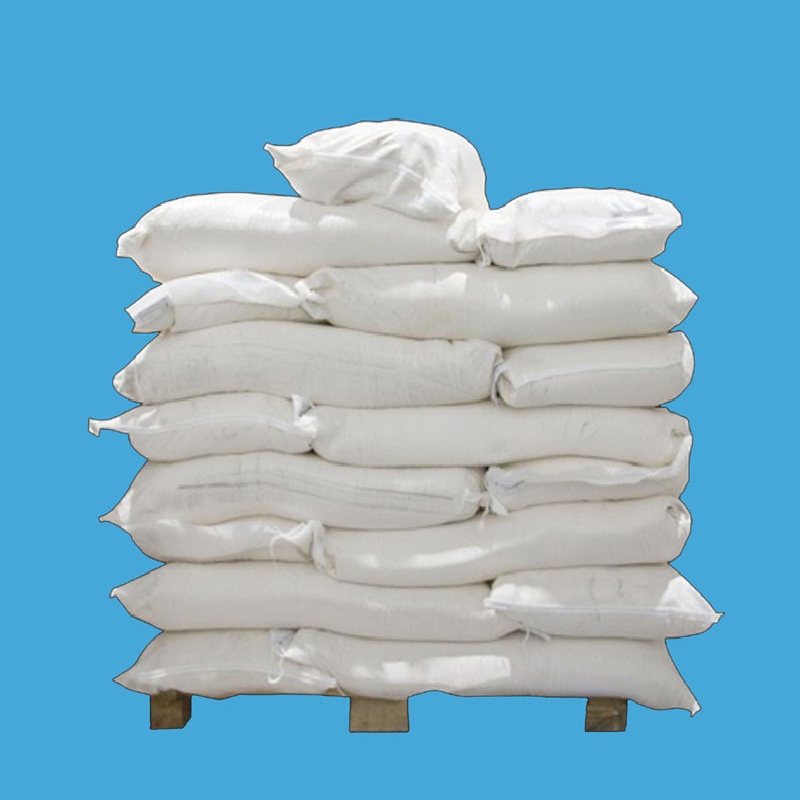
EAST CHEM Ammonium thiocyanate buy - large image1
EAST CHEM Ammonium thiocyanate buy - image1

EAST CHEM Ammonium thiocyanate

11 Inquiries

Unit Price: Get Latest Price
CAS No.:

1762-95-4

Grade:

Industrial Grade

Content:

99%

Port:

Qingdao

Brand:

EAST CHEM

Packaging:

25kg/drum

Price valid (until):

2025-10-30

Company Type:
Trader
Location:
China
Qualification:
Main Products:

Food additives,Pharmaceutical raw materials,Chemicals,Comestic raw materials

  • Product Description

  • Seller Information

  • Inquiry History

  • Description


      Product Detail  


    1. Product Identification

    • Product Name: Ammonium Thiocyanate
    • CAS Number: 1762-95-4
    • Molecular Formula: NH₄SCN
    • Molecular Weight: 76.12 g/mol
    • Synonyms: Ammonium rhodanide; Ammonium sulfocyanate; Thiocyanic acid ammonium salt
    • Product Code: [Insert Custom Product Code, e.g., ATS-001]

    2. Physical and Chemical Properties

    Property Specification
    Appearance Colorless to white crystalline powder or prisms; may have a slight odor
    Melting Point 149-150 °C (lit.)
    Boiling Point Decomposes at ~170 °C (releases ammonia and thiocyanic acid vapor)
    Density 1.305 g/cm³ (20 °C, solid)
    Solubility Highly soluble in water (160 g/100 mL at 20 °C)
    pH Value 4.5-6.0 (10% aqueous solution, 25 °C)
    Flash Point Not applicable (non-flammable solid under normal conditions)
    Hygroscopicity Hygroscopic; absorbs moisture from air and may cake if stored improperly

    3. Safety Information

    3.1 Hazard Identification

    • GHS Hazard Statements:
      • H302: Harmful if swallowed
      • H315: Causes skin irritation
      • H319: Causes serious eye irritation
      • H335: May cause respiratory irritation
      • H412: Harmful to aquatic life with long-lasting effects
    • GHS Precautionary Statements:
      • P261: Avoid breathing dust/fume/gas/mist/vapors/spray
      • P264: Wash hands thoroughly after handling
      • P270: Do not eat, drink or smoke when using this product
      • P280: Wear protective gloves, eye protection/face protection
      • P301+P312: IF SWALLOWED: Call a POISON CENTER or doctor/physician if you feel unwell
      • P302+P352: IF ON SKIN: Wash with plenty of soap and water
      • P305+P351+P338: IF IN EYES: Rinse cautiously with water for several minutes. Remove contact lenses, if present and easy to do. Continue rinsing
      • P337+P313: If eye irritation persists: Get medical advice/attention
      • P501: Dispose of contents/container to an approved waste disposal plant

    3.2 First-Aid Measures

    • Inhalation: Move victim to fresh air. If breathing is difficult, give oxygen (by qualified personnel). Seek medical attention immediately if irritation or breathing issues persist.
    • Skin Contact: Remove contaminated clothing. Rinse affected skin with plenty of soap and water for at least 15 minutes. If irritation (redness, itching, burning) occurs, seek medical help.
    • Eye Contact: Immediately flush eyes with a steady stream of water for at least 15 minutes, keeping eyelids fully open. Remove contact lenses (if applicable) after initial rinsing. Seek emergency medical care promptly.
    • Ingestion: Do NOT induce vomiting (risk of aspiration). Give 1-2 glasses of water to dilute (if victim is conscious and able to swallow). Immediately call a poison control center or hospital, and bring this TDS for reference.

    3.3 Fire-Fighting Measures

    • Suitable Extinguishing Media: Dry chemical powder, carbon dioxide (CO₂), foam, water spray (to cool containers).
    • Unsuitable Extinguishing Media: High-pressure water jet (may disperse dust and spread hazards).
    • Hazardous Combustion/Decomposition Products: During thermal decomposition (above 170 °C), releases toxic gases: ammonia (NH₃), hydrogen cyanide (HCN), sulfur oxides (SOₓ), and nitrogen oxides (NOₓ).
    • Fire-Fighting Precautions: Firefighters must wear full protective equipment (including a self-contained breathing apparatus, SCBA) to avoid exposure to toxic fumes. Cool adjacent containers with water spray to prevent decomposition.

    3.4 Accidental Release Measures

    • Personal Precautions: Wear appropriate PPE (dust mask, nitrile gloves, safety goggles, chemical apron) to avoid direct contact or inhalation. Ensure the area is well-ventilated.
    • Environmental Precautions: Prevent spilled material from entering drains, sewers, rivers, or soil (risk to aquatic life).
    • Clean-Up Methods: Sweep up spilled powder carefully (use a dustpan and brush; avoid generating dust) and transfer to a sealed, labeled hazardous waste container. Vacuum with a HEPA-filtered vacuum (if available) for residual dust. Wash contaminated surfaces with water and detergent; collect washwater for proper disposal (do not discharge to environment).

    4. Handling and Storage

    4.1 Handling Precautions

    • Handle in a well-ventilated area (preferably under a fume hood if dust is generated).
    • Avoid creating dust; use closed systems or dust-suppression measures (e.g., wetting) when transferring.
    • Do not mix with strong oxidizers, acids, or heavy metals (risk of hazardous reactions).
    • Wash hands, face, and exposed skin thoroughly after handling; avoid touching eyes or mouth with contaminated hands.

    4.2 Storage Conditions

    • Store in a cool, dry, well-ventilated warehouse (temperature: 15-30 °C; relative humidity: <60%).
    • Keep in original, tightly sealed containers (e.g., HDPE drums or fiber drums lined with polyethylene) to prevent hygroscopic caking and contamination.
    • Store separately from incompatible materials: strong oxidizers (e.g., potassium permanganate, hydrogen peroxide), strong acids (e.g., sulfuric acid, nitric acid), and heavy metal salts (e.g., copper sulfate).
    • Do not store near food, feed, or consumer products to avoid cross-contamination.
    • Label storage areas clearly with "Hazardous Chemical" and "Keep Dry" signs.

    5. Exposure Controls and Personal Protection (EC/PP)

    • Engineering Controls: Install local exhaust ventilation (LEV) to capture dust and prevent inhalation. Ensure general ventilation maintains air quality.
    • Personal Protective Equipment (PPE):
      • Respiratory Protection: Wear a NIOSH-approved dust mask (N95 or higher) when dust is present; use a powered air-purifying respirator (PAPR) for high dust concentrations.
      • Eye Protection: Wear chemical safety goggles (ANSI Z87.1 compliant) or a face shield (for large spills) to prevent eye contact.
      • Skin Protection: Wear nitrile gloves (thickness ≥0.1 mm) or neoprene gloves (resistant to ammonium thiocyanate). Use a chemical-resistant apron if splashing is possible.
      • Clothing: Wear long-sleeved shirts, long pants, and closed-toe shoes to cover exposed skin.
    • Hygiene Measures: Provide wash stations with soap and water near the work area. Prohibit eating, drinking, or smoking in the handling/storage zone. Launder contaminated clothing separately before reuse.

    6. Stability and Reactivity

    • Stability: Stable under normal handling and storage conditions (cool, dry, sealed). Decomposes when heated above 170 °C or exposed to strong acids/oxidizers.
    • Conditions to Avoid: High temperature, moisture (hygroscopicity), strong oxidizers, strong acids, and heavy metal ions.
    • Incompatible Substances:
      • Strong oxidizers (e.g., KMnO₄, H₂O₂): May cause combustion or explosion.
      • Strong acids (e.g., H₂SO₄, HNO₃): Reacts to release toxic hydrogen thiocyanate (HSCN) gas.
      • Heavy metals (e.g., Cu²⁺, Fe³⁺): Forms insoluble thiocyanate salts and may catalyze decomposition.
    • Hazardous Polymerization: Does not occur.

    7. Toxicological Information

    • Acute Toxicity:
      • Oral LD₅₀ (rat): ~764 mg/kg (moderately toxic if swallowed).
      • Dermal LD₅₀ (rabbit): >2000 mg/kg (low dermal toxicity, but causes irritation).
      • Inhalation LC₅₀ (rat): No data available; dust causes respiratory irritation.
    • Chronic Toxicity: Long-term exposure to high dust concentrations may cause thyroid dysfunction (interferes with iodine uptake) and liver/kidney damage (animal studies).
    • Sensitization: No evidence of skin sensitization in standard tests, but repeated contact may cause chronic irritation.
    • Carcinogenicity: Not classified as a carcinogen by IARC, EPA, or EU CLP.

    8. Ecological Information

    • Aquatic Toxicity: Harmful to aquatic organisms.
      • Fish LC₅₀ (zebrafish, 96h): ~50 mg/L (moderately toxic).
      • Algae EC₅₀ (Chlorella vulgaris, 72h): ~30 mg/L (toxic to primary producers).
    • Persistence and Degradability: Moderately persistent in water; biodegradation is slow under aerobic conditions (half-life >60 days in natural water).
    • Bioaccumulation: Low bioaccumulation potential (log Koc: ~1.5; does not accumulate in aquatic food chains).
    • Environmental Impact: Avoid release to water bodies (risk of aquatic ecosystem disruption).

    9. Disposal Considerations

    • Waste Classification: Classified as hazardous waste (due to toxicity to aquatic life and human health risks).
    • Disposal Method: Dispose of in accordance with local, regional, and national regulations (e.g., EPA RCRA in the US, EU Waste Framework Directive). Incinerate at a licensed hazardous waste incineration facility equipped to treat sulfur- and nitrogen-containing emissions.
    • Container Disposal: Rinse empty containers thoroughly with water (collect rinsewater for disposal). Do not reuse containers for non-hazardous purposes. Dispose of rinsed containers as hazardous waste or recycle if permitted by local regulations.

    10. Transport Information

    • UN Number: UN 2811 (Toxic solids, organic, n.o.s.)
    • Transport Hazard Class: 6.1 (Toxic substances)
    • Packing Group: III (Lowest hazard within Class 6.1)
    • Packaging Requirements: Use UN-approved packaging (e.g., 50 kg HDPE drums with screw caps, or fiber drums lined with polyethylene bags). Ensure packages are leak-proof and labeled.
    • Transport Precautions:
      • Avoid exposure to moisture, heat, and direct sunlight during transport.
      • Do not ship with food, feed, or incompatible substances (oxidizers, acids).
      • Label packages with hazard symbols (GHS Class 6.1: Skull and Crossbones or Exclamation Mark) and transport documents (e.g., MSDS/TDS, shipping manifest).

    11. Regulatory Information

    • EU: Complies with REACH (Registration, Evaluation, Authorization and Restriction of Chemicals) – registered under REACH (if applicable). Classified per CLP Regulation (EC) No. 1272/2008.
    • US: Listed on the TSCA (Toxic Substances Control Act) Inventory. Complies with OSHA Hazard Communication Standard (29 CFR 1910.1200).
    • Other Regions: Comply with local chemical management regulations (e.g., China GB standards, Japan MITI, Australia NPI).

    12. Other Information

    • Revision Date: [Insert Date, e.g., October 2024]
    • Responsible Party: [Insert Company Name, Address, Phone Number, Email, and Emergency Contact]
    • Disclaimer: This TDS is based on current scientific data and industry standards. It does not constitute a guarantee of product performance or safety for unintended uses. Users are responsible for conducting their own risk assessments and complying with all applicable laws/regulations before use.

    Basic Info
    Product Name:

    Ammonium thiocyanate

    Other Name:

    Thiocyanic acid,ammonium salt (1:1);Thiocyanic acid,ammonium salt;Ammonium isothiocyanate;Ammonium sulfocyanate;Ammonium thiocyanate;Ammonium rhodanate;Rhodanid;Ammonium cyanide sulfide (NH4CNS);1189-67-9;1674-80-2;14314-30-8;15268-45-8;92568-90-6;101218-28-4;113506-91-5;1147550-11-5

    CAS No.:

    1762-95-4

    Molecular Formula:

    CHNS.H3N

    InChIKeys:

    InChIKey=SOIFLUNRINLCBN-UHFFFAOYSA-N

    Molecular Weight:

    76.12090

    Exact Mass:

    76.00950

    EC Number:

    217-175-6

    UNII:

    YYL9152Z1Y

    UN Number:

    3077

    DSSTox ID:

    DTXSID3029653

    Color/Form:

    Deliquescent crystals|Colorless, hygroscopic crystals

    HScode:

    28380000

    Characteristics
    PSA:

    65.83000

    XLogP3:

    0.72118

    Appearance:

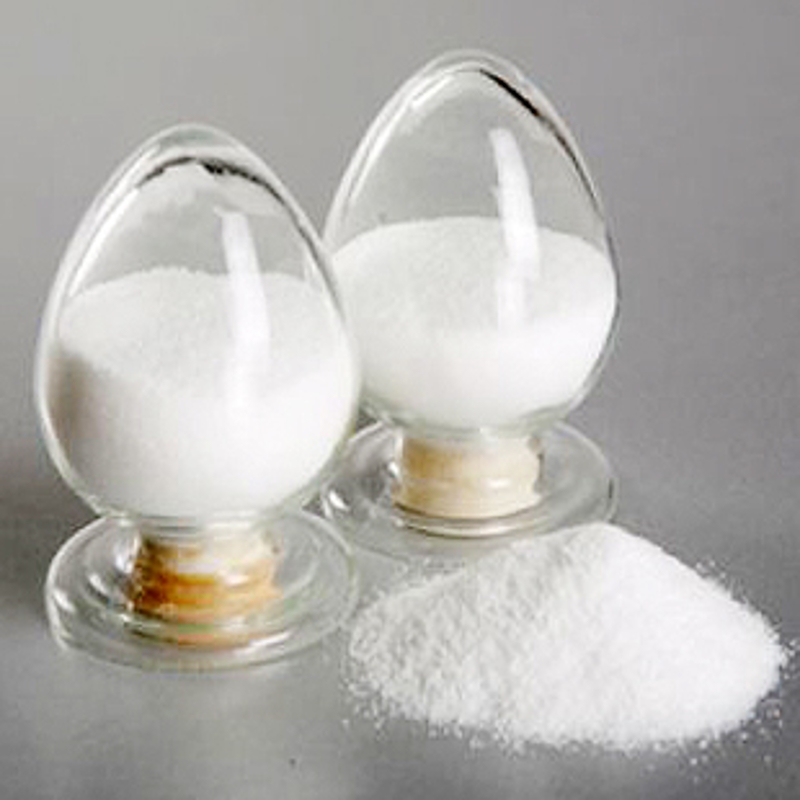
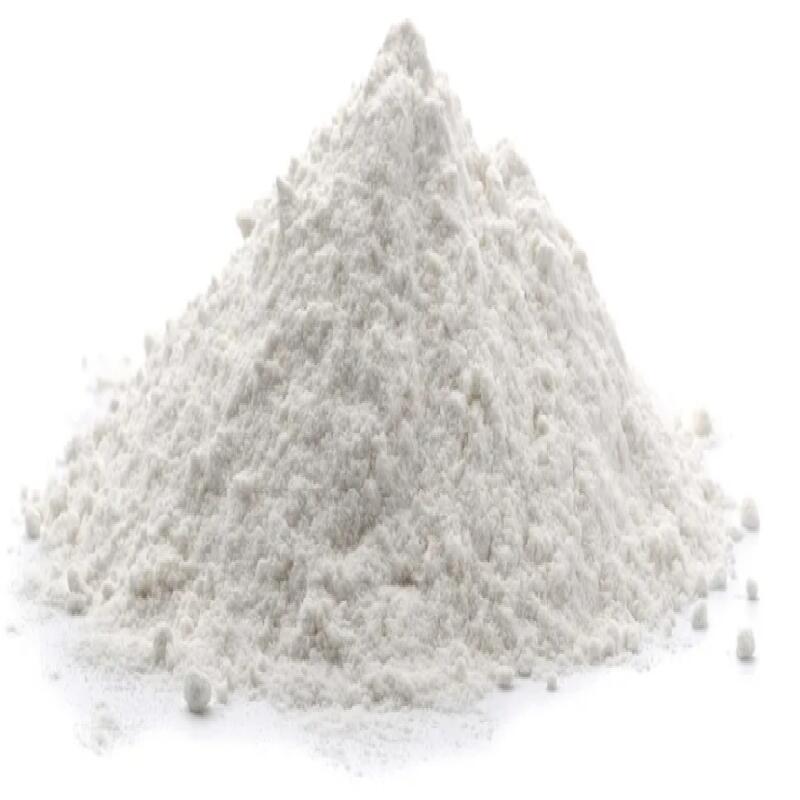
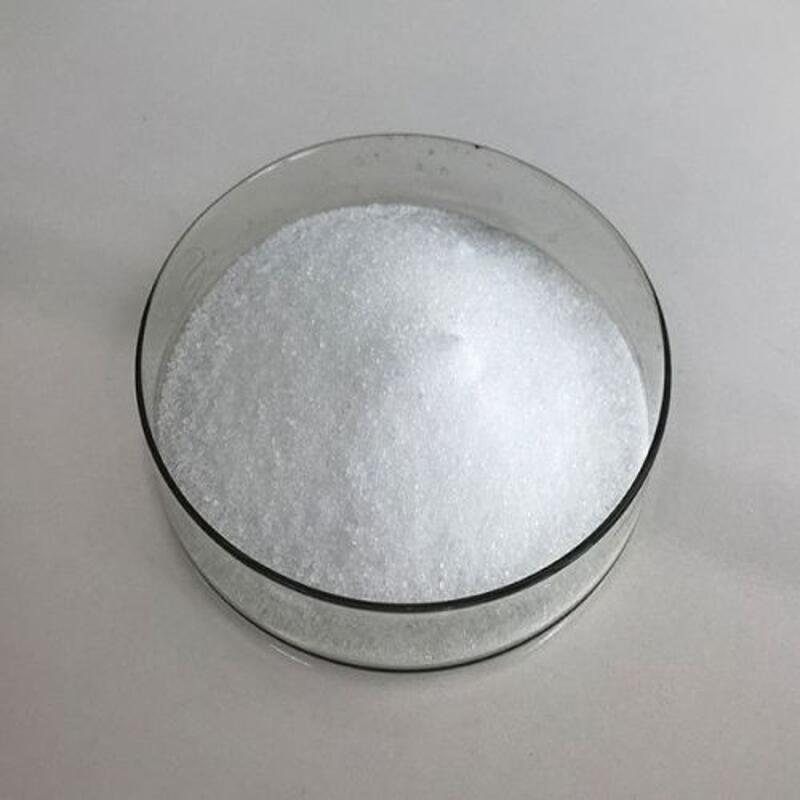
    colourless or white crystals or powder

    Density:

    1.3057 g/cm3

    Melting Point:

    149.6 °C

    Boiling Point:

    40 °C (approx)

    Flash Point:

    190ºC

    Water Solubility:

    H2O: 163 g/100 mL (20 ºC);Freely sol in ethanol; sol in methanol, acetone; practically insol in CHCl3, ethyl acetate

    Storage Conditions:

    Store at RT.

    Vapor Pressure:

    2.86E-06mmHg at 25°C

    Explosive limit:

    Mixtures of thiocyanates with chlorates (or nitrates) are friction- and heat-sensitive, and explode on rubbing, heating to 400 deg C, or initiation by spark or flame. A violent explosion occurred when a little chlorate was ground in a mortar contaminated with ammonium thiocyanate.

    Odor:

    Odorless

    Experimental Properties:

    Decomposes at 170 °C|Heat of Soln: 133 Btu/lb= 74 cal/g= 3.1X10+5 J/kg

    Air and Water Reactions:

    Water soluble.

    Reactive Group:

    Salts, Acidic

    Reactivity Profile:

    AMMONIUM THIOCYANATE can release ammonia vapors if mixed with a chemical base or with an acid. Violent or explosive reactions have occurred when thiocyanates are mixed with oxidizing agents (such as chlorates(potassium chlorate), nitrates, nitric acid, and peroxides). Nitric acid violently oxidized a thiocyanate solution [Bretherick 1979 p. 121]. An explosion of guanidine nitrate demolished an autoclave built to withstand 50 atmospheres, in which it was being made from ammonium thiocyanate and lead nitrate [C. Angew. Chem. 49:23 1936].

    Corrosivity:

    Highly corrosive to iron, copper, and brass.

    Hazard Identification

    Classification of the substance or mixture

    Acute toxicity - Category 4, Oral

    Acute toxicity - Category 4, Dermal

    Acute toxicity - Category 4, Inhalation

    Hazardous to the aquatic environment, long-term (Chronic) - Category Chronic 3

    GHS label elements, including precautionary statements

    Pictogram(s)

    Signal word

    Warning

    Hazard statement(s)

    H302 Harmful if swallowed

    H312 Harmful in contact with skin

    H332 Harmful if inhaled

    H412 Harmful to aquatic life with long lasting effects

    Precautionary statement(s)
    Prevention

    P264 Wash ... thoroughly after handling.

    P270 Do not eat, drink or smoke when using this product.

    P280 Wear protective gloves/protective clothing/eye protection/face protection/hearing protection/...

    P261 Avoid breathing dust/fume/gas/mist/vapours/spray.

    P271 Use only outdoors or in a well-ventilated area.

    P273 Avoid release to the environment.

    Response

    P301+P317 IF SWALLOWED: Get medical help.

    P330 Rinse mouth.

    P302+P352 IF ON SKIN: Wash with plenty of water/...

    P317 Get medical help.

    P321 Specific treatment (see ... on this label).

    P362+P364 Take off contaminated clothing and wash it before reuse.

    P304+P340 IF INHALED: Remove person to fresh air and keep comfortable for breathing.

    Storage

    none

    Disposal

    P501 Dispose of contents/container to an appropriate treatment and disposal facility in accordance with applicable laws and regulations, and product characteristics at time of disposal.

    Other hazards which do not result in classification

    no data available

    Handling and Storage

    Precautions for safe handling

    Handling in a well ventilated place. Wear suitable protective clothing. Avoid contact with skin and eyes. Avoid formation of dust and aerosols. Use non-sparking tools. Prevent fire caused by electrostatic discharge steam.

    Conditions for safe storage, including any incompatibilities

    Keep tightly closed.

  • Seller Information
    Business Type:

    Trader

    Main Products:

    Food additives,Pharmaceutical raw materials,Chemicals,Comestic raw materials

    Location:

    Room 501, Unit 6, No. 40, hushan road,Licang,Qingdao

    Payment Terms:

    TT against copy of documents,TT against B/L draft before shipment,100% TT in advance

    Average lead Time:

    10

    Total Annual Revenue:

    $1 million-$2.5 million

    Total Employees:

    11-50

    Year of Establishment:

    2017

    QINGDAO EASTCHEMSORCES TRADE LIMITED is a leading Manufactory supplier of Sorbitol, Citric acid, Sodium hypochlorite based in Qingdao, Shandong, China. With a commitment to quality and customer satisfaction, QINGDAO EASTCHEMSORCES TRADE LIMITED has become a trusted name in the industry. Our product line includes a range of high-quality Sorbitol, Citric acid, Sodium hypochlorite, which are available at competitive prices. QINGDAO EASTCHEMSORCES TRADE LIMITED has established itself as a reliable supplier of chemical products on the echemi.com.

  • Inquiry History
    11 Inquiries
    Country Product Purchase Quantity Date Posted
    India

    Ammonium Thiocyanate

    60 MT Feb 10, 2026
    India

    DG ENTERPRISES

    2 20' Fcl Dec 29, 2025
    Zambia

    AMMONIUM THIOCYANATE

    1.00 MT Sep 16, 2025
    India

    Ammonium Thiocyanate

    3 20' Fcl Aug 7, 2025
    India

    Ammonium thiocyanate

    100 KG Jul 6, 2024
    India

    Ammonium Thiocyanate

    20 MT Jul 2, 2024
    India

    ammonium thiocyanate

    1 KG Jun 3, 2024
    South Africa

    Ammonium Thiocyanate

    5 KG Oct 10, 2024
    United Arab Emirates

    Ammonium thiocyanate

    400 KG Aug 14, 2023
    India

    AMMONIUM THIOCYNATE

    2 20' Fcl Jul 9, 2025
    Kuwait

    AMMONIUM THIOCYANATE

    150.00 KG Oct 13, 2023
    Post an enquiry for this product
pic ×

Scan the QR Code to Share

All products displayed on this website are only for non-medical purposes such as industrial applications or scientific research, and cannot be used for clinical diagnosis or treatment of humans or animals. They are not medicinal or edible.

According to relevant laws and regulations and the regulations of this website, units or individuals who purchase hazardous materials should obtain valid qualifications and qualification conditions.

The information shown above is provided by the enterprise itself, and the authenticity, accuracy and legitimacy of the content are the responsibility of the publishing company. ECHEMI does not bear any guarantee responsibility for this. Please be aware that risks in internet transactions objectively exist.

Feedback & Suggestions
Send Message

Thank you for your feedback. If you require further assistance, please contact us by email at info@echemi.com or call us at +86-532-55729510.