1. Description
Chemical properties: NRH belongs to the pyridine nucleoside compound, with a molecular structure consisting of a 1,4-dihydropyridine ring (connected to a formamide group at position 3) and a β - D-ribose group (connected by an N-glycosidic bond). The core functional group, the dihydropyridine ring, has strong electron transfer ability and is a key structure involved in redox reactions. The chemical properties are relatively stable, but it is easily oxidized to nicotinamide riboside under strong light, high temperature, or strong oxidant conditions. It needs to be stored in a dark, sealed, and low-temperature environment.
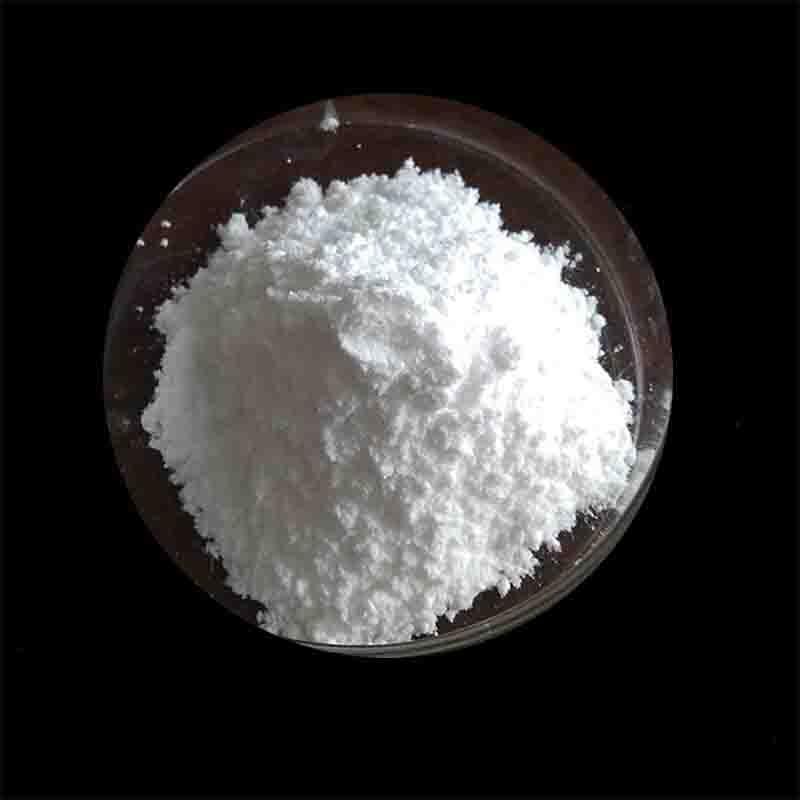
Physical properties: NRH is a white to off white crystalline powder at room temperature, with no obvious odor and excellent water solubility. It can quickly dissolve in aqueous systems such as pure water and physiological saline, as well as polar organic solvents such as methanol and ethanol. It is insoluble in non-polar solvents such as ether and petroleum ether. Its aqueous solution is weakly acidic and has good compatibility with most bioactive substances and food additives.
Source and Preparation: NRH is naturally present in small amounts in milk, yeast, and certain plant extracts. It is mainly prepared through chemical synthesis in industry, starting from niacinamide or nicotinic acid, and refined through processes such as ribosylation and hydrogenation reduction; It can also be synthesized through biotransformation using microbial enzyme catalysis, which results in higher purity and more complete preservation of biological activity, making it more suitable for high-end scientific research and functional food needs
2. Application
Medical and biological research field: NRH, as the core tool reagent for NAD+metabolism research, is widely used in the mechanism research of cell aging, neurodegenerative diseases (such as Alzheimer's disease, Parkinson's disease), metabolic syndrome (such as diabetes, obesity) and other fields. In scientific research, cell models (such as stem cells and nerve cells) and animal models are used to explore their effects on NAD+level regulation, Sirtuins protein family activation, and cellular energy metabolism pathways, providing experimental evidence for intervention and drug development for related diseases.
In the field of functional foods and health products, NRH, as a precursor of NAD+, is used to develop dietary supplements (such as capsules, powders, oral liquids) for people who are concerned about aging management, energy enhancement, and cognitive health. It can be converted into NAD+through oral absorption, providing the body with coenzyme required for energy metabolism, suitable for anti-aging, exercise nutrition, mental health and other scenarios. It is currently one of the popular active ingredients in the field of functional foods.
Cosmetics: Relying on its antioxidant and cell repairing activities, NRH is added in a small amount to high-end anti-aging skin care products (such as essence liquid and face cream). By activating the NAD+dependent antioxidant enzyme system in skin cells, it can eliminate free radicals, promote skin cell metabolism and collagen fiber synthesis, delay skin aging, and improve skin relaxation, fine lines, darkness and other problems.
3. Main Efficacy
Regulatory effect of NAD+level: NRH, as a direct precursor of NAD+, can be rapidly converted into NAD+through the salvage synthesis pathway after entering the body, compensating for the consumption of NAD+with age or stress, and maintaining a stable level of NAD+in cells. NAD+is an essential coenzyme for key physiological processes such as cellular energy metabolism, DNA repair, and redox reactions. Maintaining its level is the foundation of normal physiological functions in the body.
Antioxidant and anti-aging effects: On the one hand, NRH activates the Sirtuins protein family (deacetylase) by increasing NAD+levels, regulates the expression of aging related genes, promotes damaged DNA repair in cells, and inhibits inflammatory responses; On the other hand, it can enhance the activity of antioxidant enzymes such as superoxide dismutase (SOD) and glutathione peroxidase (GSH Px), eliminate reactive oxygen species (ROS) in the body, reduce oxidative stress damage to cells, and delay the aging process of cells and the body.
Energy metabolism regulation effect: NAD+is a key coenzyme in the tricarboxylic acid cycle and oxidative phosphorylation process in cellular mitochondria. By supplementing NAD+, this substance can enhance mitochondrial respiratory chain function, improve ATP (adenosine triphosphate) production efficiency, provide sufficient energy to the body, improve fatigue status, enhance exercise endurance and metabolic activity, and has potential auxiliary regulatory effects on metabolic syndrome.
Neuroprotective effect: By maintaining NAD+levels in nerve cells, protecting neuronal mitochondrial function, and inhibiting neuronal apoptosis; Simultaneously activating the Sirtuins protein mediated neuroprotective pathway, reducing β - amyloid deposition and tau protein hyperphosphorylation (key pathological features of Alzheimer's disease), improving synaptic function, and having potential effects on cognitive function maintenance and prevention of neurodegenerative diseases.












 South Korea
 Singapore