Product
Supplier
Encyclopedia
Inquiry
Hydroquinone CAS:123-31-9  C6H6O2 buy - large image1
Hydroquinone CAS:123-31-9  C6H6O2 buy - image1
Hydroquinone CAS:123-31-9  C6H6O2 buy - image2
Hydroquinone CAS:123-31-9  C6H6O2 buy - image3
Hydroquinone CAS:123-31-9  C6H6O2 buy - image4
Hydroquinone CAS:123-31-9  C6H6O2 buy - image5
Hydroquinone CAS:123-31-9  C6H6O2 buy - image6

Hydroquinone CAS:123-31-9 C6H6O2

TDS 25 Inquiries

Unit Price: Get Latest Price
CAS No.:

123-31-9

Grade:

Industrial Grade

Content:

99%

Port:

SHANGHAI

Brand:

Orient

Packaging:

25kg/bag,500kg/bag, customized

Price valid (until):

2025-12-25

Company Type:
Trader
Location:
China
Qualification:
Main Products:

pharmaceutical intermediates,peptides,electronic chemicals

  • Product Description

  • Seller Information

  • Inquiry History

  • Description
    Hydroquinone Basic information
    Product Name: Hydroquinone
    Synonyms: Hydroquinone, 99.5%, 99.5%;HYDROXYQUINOL;HYDROCHINONE;HYDROQUINONE;AKOS BBS-00004220;hydroquinone--1,4-benzenediol;Idrochinone;Melanex
    CAS: 123-31-9
    MF: C6H6O2
    MW: 110.11
    EINECS: 204-617-8
    Product Categories: corrosion inhibitor;Aromatics;Redox Catalysts (Environmentally-friendly Oxidation);Environmentally-friendly Oxidation;Synthetic Organic Chemistry;Intermediates of Dyes and Pigments;PINDAC;Building Blocks;Chemical Synthesis;Nutrition Research;Organic Building Blocks;Oxygen Compounds;Phytochemicals by Plant (Food/Spice/Herb);Polyols;Vaccinium myrtillus (Bilberry);123-31-9
    Mol File: 123-31-9.mol
    Shop Hydroquinone CAS:123-31-9  C6H6O2-Detailed Image 1

    Hydroquinone Chemical Properties
    Melting point  172-175 °C(lit.)
    Boiling point  285 °C(lit.)
    bulk density 600kg/m3
    density  1.32
    vapor density  3.81 (vs air)
    vapor pressure  1 mm Hg ( 132 °C)
    refractive index  1.6320
    Fp  165 °C
    storage temp.  Store below +30°C.
    solubility  H2O: 50 mg/mL, clear
    pka 10.35(at 20℃)
    form  Needle-Like Crystals or Crystalline Powder
    color  White to off-white
    Odor odorless
    biological source synthetic
    Water Solubility  70 g/L (20 ºC)
    Sensitive  Air & Light Sensitive
    Merck  14,4808
    BRN  605970
    Henry's Law Constant (x 10-9 atm?m3/mol): <2.07 at 20 °C (approximate - calculated from water solubility and vapor pressure)
    Exposure limits NIOSH REL: 15-min ceiling 2, IDLH 50; OSHA PEL: TWA 2; ACGIH TLV: TWA 2 (adopted).
    Stability: Stable. Combustible. Incompatible with strong oxidizing agents, strong bases, oxygen, ferric salts. Light and air-sensitive. Discolours in air.
    InChIKey QIGBRXMKCJKVMJ-UHFFFAOYSA-N
    LogP 0.59 at 20℃
    CAS DataBase Reference 123-31-9(CAS DataBase Reference)
    NIST Chemistry Reference Hydroquinone(123-31-9)
    IARC 3 (Vol. 15, Sup 7, 71) 1999
    EPA Substance Registry System Hydroquinone (123-31-9)

    Safety Information
    Hazard Codes  Xn,N
    Risk Statements  22-40-41-43-50-68-R68-R50-R43-R41-R40-R22
    Safety Statements  26-36/37/39-61-S61-S36/37/39-S26
    OEL Ceiling: 2 mg/m3 [15-minute]
    RIDADR  2662
    WGK Germany  3
    RTECS  MX3500000
    Autoignition Temperature 930 °F
    TSCA  Yes
    HazardClass  9
    PackingGroup  III
    HS Code  29072210
    Hazardous Substances Data 123-31-9(Hazardous Substances Data)
    Toxicity LD50 orally in rats: 320 mg/kg (Woodard)
    IDLA 50 mg/m3
    MSDS Information


    Hydroquinone Usage And Synthesis
    Description Hydroquinone (HQ) is produced by the oxidation of aniline or phenol, by the reduction of quinone, or from a reaction of acetylene and carbon monoxide. Hydroquinone occurs naturally as a glucose ether, also known as arbutin, in the leaves of many plants and in fruits, as well as one of the agents used in the defense mechanism of the bombardier beetle, family Carabidae.
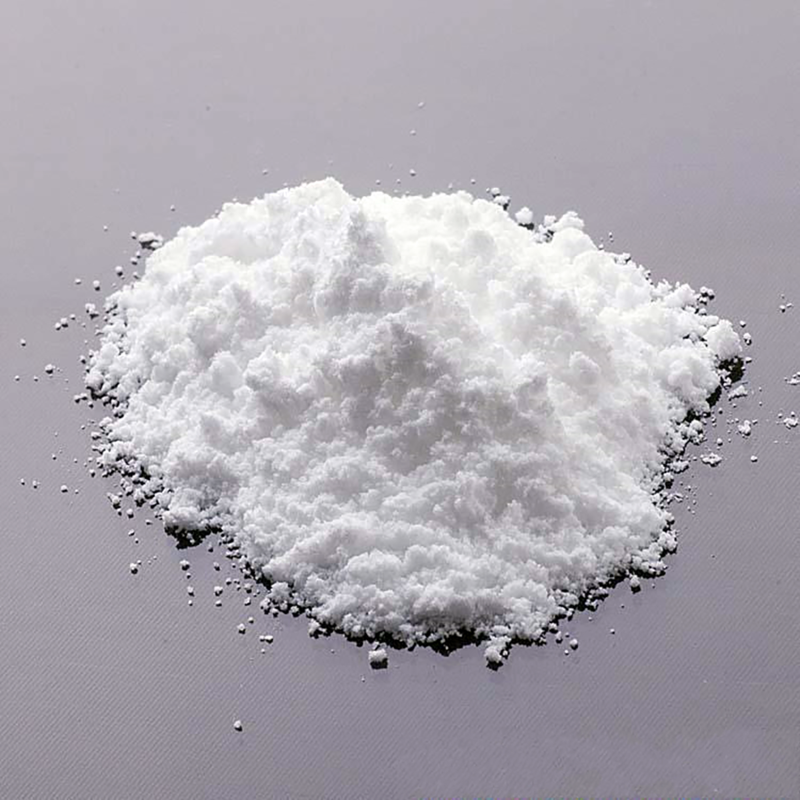
    Chemical Properties white needle-like crystals or crystalline powder
    Chemical Properties Hydroquinone, a colorless, hexagonal prism, has been reported to be a good antimitotic and tumor-inhibiting agent. It is a reducing agent used in a photographic developer, which polymerizes in the presence of oxidizing agents. In the manufacturing industry it may occur include bacteriostatic agent, drug, fur processing, motor fuel, paint, organic chemicals, plastics, stone coating, and styrene monomers.
    Physical properties Colorless to pale brown, odorless, hexagonal crystals
    Originator Quinnone,Dermohr,US,1980
    Uses Use as photographic reducer and developer; as reagent in the determination of small quantities of phosphate; as antioxidant. Depigmentor
    Uses hydroquinone is a pigment-lightening agent used in bleaching creams. Hydroquinone combines with oxygen very rapidly and becomes brown when exposed to air. Although it occurs naturally, the synthetic version is the one commonly used in cosmetics. Application to the skin may cause allergic reaction and increase skin sun sensitivity. Hydroquinone is potentially carcinogenic and is associated with causing ochronosis, a discoloration of the skin. The u.S. FDA has banned hydroquinone from oTC cosmetic formulations, but allows 4 percent in prescription products. Its use in cosmetics is prohibited in some european countries and in Australia.
    Uses K channel agonist, antihypertensive
    Uses reducing agent prevents polymerization of resin monomers lightens darkened skin, light sensitive
    Uses Photographic reducer and developer; antioxidant; stabilizing agent for some polymers; intermediate in the manufacturing of some dyes and pigments; in cosmetic formulations.
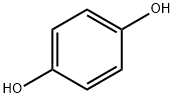
    Definition ChEBI: A benzenediol comprising benzene core carrying two hydroxy substituents para to each other.
    Indications Hydroquinone interferes with the production of the pigment melanin by epidermal melanocytes through at least two mechanisms: it competitively inhibits tyrosinase, one of the principal enzymes responsible for converting tyrosine to melanin, and it selectively damages melanocytes and melanosomes (the organelles within which melanin is stored).
    Production Methods There are three current manufacturing processes for HQ: oxidative cleavage of diisopropylbenzene, oxidation of aniline, and hydroxylation of phenol.
    Diisopropylbenzene is air oxidized to the intermediate diisopropylbenzene bishydroperoxide. This hydroperoxide is purified by extraction and reacted further to form hydroquinone. The purified product is isolated by filtration and packaged. The process can be almost entirely closed, continuous, computer-controlled, and monitored.
    HQcan also be prepared by oxidizing aniline to quinone in the presence of manganese dioxide and sulfuric acid. p-Benzoquinone is then reduced to HQ using iron oxide. The resulting hydroquinone is crystallized and dried. The process occurs in a closed system.
    HQis also manufactured by hydroxylation of phenol using hydrogen peroxide as a hydroxylation agent. The reaction is catalyzed by strong mineral acids or ferrous or cobalt salts.
    Manufacturing Process Into a pressure reactor there was charged 100 ml of methanol and 1 g of diruthenium nonacarbonyl. The reactor was closed, cooled in solid carbon dioxide/acetone, and evacuated. Acetylene, to the extent of 1 mol (26 g), was metered into the cold reactor. Carbon monoxide was then pressured into this vessel at 835-980 atmospheres, during a period of 16.5 hours; while the reactor was maintained at 100°C to 150°C. The reactor was then cooled to room temperature and opened.
    The reaction mixture was removed from the vessel and distilled at a pressure of 30-60 mm, and a bath temperature of 30°C to 50°C until the methanol had all been removed. The extremely viscous tarry residue remaining in the still pot was given a very crude distillation, the distillate boiling at 82°C to 132°C/2 mm. In an attempt to purify this distillate by a more careful distillation, 5.3 g of a liquid distilling from 53°C to 150°C/5 mm was collected. At this point, much solid sublimate was noted not only in this distillate but in the condenser of the still. 7 g of the solid sublimate was scraped out of the condenser of the still. Recrystallization of the sublimate from ethyl acetate containing a small amount of petroleum ether gave beautiful crystals melting at 175°C to 177°C (5 g). Infrared analysis confirmed that this compound was hydroquinone (9% conversion).


    Shop Hydroquinone CAS:123-31-9  C6H6O2-Detailed Image 2

    Shop Trimellitic Anhydride  C9H4O5 552-30-7-Detailed Image 2

    Shop Trimellitic Anhydride  C9H4O5 552-30-7-Detailed Image 3


    Shop Trimellitic Anhydride  C9H4O5 552-30-7-Detailed Image 4

    Shop Trimellitic Anhydride  C9H4O5 552-30-7-Detailed Image 5

    Shop Trimellitic Anhydride  C9H4O5 552-30-7-Detailed Image 6


    Shop Trimellitic Anhydride  C9H4O5 552-30-7-Detailed Image 7


    Shop Trimellitic Anhydride  C9H4O5 552-30-7-Detailed Image 8

    Shop Trimellitic Anhydride  C9H4O5 552-30-7-Detailed Image 9

    Shop Trimellitic Anhydride  C9H4O5 552-30-7-Detailed Image 10

    Shop Trimellitic Anhydride  C9H4O5 552-30-7-Detailed Image 11

    Shop Trimellitic Anhydride  C9H4O5 552-30-7-Detailed Image 12

    ——  Q&A  ——

    Q1:Do you provide sample?

    A: Yes, we can provide free sample, you only need pay the shipping cost.

    Q2: What is the lead time?

    A: For stock goods, it usually take about 5-7 days by air, 15-30 days by sea,For customized products, the delivery time needs to be confirmed based on the actual situation.

    Q3: How can I buy? What is the payment method?

    A: You can contract us through Email or you can browse our website:orientchem.cc, we have bank transfer.

    Q4:What if there are quality issues?

    A:We attach great importance to after-sales service of our products. If there are any quality issues, please contact us within 30 days of receiving the goods and we will handle returns and exchanges for you.


    Certificates

    Basic Info
    Product Name:

    Hydroquinone

    Other Name:

    1,4-Benzenediol;Hydroquinone;Arctuvin;p-Benzenediol;Benzohydroquinone;Benzoquinol;p-Dihydroxybenzene;Eldoquin;Hydroquinol;Quinol;Tecquinol;Tenox HQ;p-Dioxybenzene;p-Hydroquinone;1,4-Dihydroxybenzene;p-Hydroxyphenol;HE 5;Diak 5;Eldopaque;Phiaquin;4-Hydroxyphenol;Dihydroquinone;p-Quinol;BQ(H);p-Dihydroquinone;1,4-Benzoquinol;p-Phenylenediol;Eldoquin Forte;Solaquin Forte;Black & White Bleaching Cream;Eldopacque;Aida;Eldopaque Forte;NSC 9247;Solution Q;1,4-p-Benzenediol;1,4-Phenylenediol;1,4-Benzenediol (hydroquinone);8027-02-9;57534-13-1

    CAS No.:

    123-31-9

    UN No.:

    2662

    Molecular Formula:

    C6H6O2

    InChIKeys:

    InChIKey=QIGBRXMKCJKVMJ-UHFFFAOYSA-N

    Molecular Weight:

    110.11100

    Exact Mass:

    110.11

    EC Number:

    204-617-8

    HScode:

    2907221000

    Characteristics
    PSA:

    40.46000

    XLogP3:

    1.09780

    Appearance:

    Hydroquinone appears as light colored crystals or solutions. May irritate the skin, eyes and mucous membranes. Mildly toxic by ingestion or skin absorption.

    Density:

    1.332 g/cm3

    Melting Point:

    170-171 °C

    Boiling Point:

    285-287 °C

    Flash Point:

    165ºC

    Refractive Index:

    1.689

    Water Solubility:

    H2O: 70 g/L (20 ºC)

    Storage Conditions:

    Conditions for safe storage, including any incompatibilities: Keep container tightly closed in a dry and well-ventilated place. Air and light sensitive.

    Vapor Pressure:

    1 mm Hg ( 132 °C)

    Vapor Density:

    3.81 (vs air)

    Toxicity:

    LD50 orally in rats: 320 mg/kg (Woodard)

    Flammability characteristics:

    Combustible Solid; dust cloud may explode if ignited in an enclosed area.

    Explosive limit:

    Dust cloud may explode if ignited in an enclosed area.

    Odor:

    Odorless

    Taste:

    A slightly bitter taste in aqueous solutions

    Hazard Identification

    Classification of the substance or mixture

    Acute toxicity - Category 4, Oral

    Serious eye damage, Category 1

    Skin sensitization, Category 1

    Germ cell mutagenicity, Category 2

    Carcinogenicity, Category 2

    Hazardous to the aquatic environment, short-term (Acute) - Category Acute 1

    GHS label elements, including precautionary statements

    Pictogram(s)

    Signal word

    Danger

    Hazard statement(s)

    H302 Harmful if swallowed

    H318 Causes serious eye damage

    H317 May cause an allergic skin reaction

    H341 Suspected of causing genetic defects

    H351 Suspected of causing cancer

    H400 Very toxic to aquatic life

    Precautionary statement(s)
    Prevention

    P264 Wash ... thoroughly after handling.

    P270 Do not eat, drink or smoke when using this product.

    P280 Wear protective gloves/protective clothing/eye protection/face protection/hearing protection/...

    P261 Avoid breathing dust/fume/gas/mist/vapours/spray.

    P272 Contaminated work clothing should not be allowed out of the workplace.

    P203 Obtain, read and follow all safety instructions before use.

    P273 Avoid release to the environment.

    Response

    P301+P317 IF SWALLOWED: Get medical help.

    P330 Rinse mouth.

    P305+P354+P338 IF IN EYES: Immediately rinse with water for several minutes. Remove contact lenses, if present and easy to do. Continue rinsing.

    P317 Get medical help.

    P302+P352 IF ON SKIN: Wash with plenty of water/...

    P333+P317 If skin irritation or rash occurs: Get medical help.

    P321 Specific treatment (see ... on this label).

    P362+P364 Take off contaminated clothing and wash it before reuse.

    P318 IF exposed or concerned, get medical advice.

    P391 Collect spillage.

    Storage

    P405 Store locked up.

    Disposal

    P501 Dispose of contents/container to an appropriate treatment and disposal facility in accordance with applicable laws and regulations, and product characteristics at time of disposal.

    Other hazards which do not result in classification

    no data available

    Handling and Storage

    Precautions for safe handling

    NO open flames. Closed system, dust explosion-proof electrical equipment and lighting. Prevent deposition of dust. Handling in a well ventilated place. Wear suitable protective clothing. Avoid contact with skin and eyes. Avoid formation of dust and aerosols. Use non-sparking tools. Prevent fire caused by electrostatic discharge steam.

    Conditions for safe storage, including any incompatibilities

    Separated from strong bases and food and feedstuffs.Keep well closed and protected from light.

  • Seller Information
    Business Type:

    Trader

    Main Products:

    pharmaceutical intermediates,peptides,electronic chemicals

    Location:

    Room 102, 1st Floor, East Office Building, No. 45 Pengwan Road, Qianwan Bonded Port Area, Qingdao Zone, China (Shandong) Pilot Free Trade Zone

    Payment Terms:

    100% TT in advance

    Average lead Time:

    10

    Total Annual Revenue:

    $10 million-$25 million

    Total Employees:

    51-100

    Year of Establishment:

    2024

    A reliable supplier is like insurance.

    We are mainly specilized in supply of pharmaceutical intermediates, electronic chemicals,food additives, and other fine chemical products.
    Integrity is the foundation, quality is life. We would like to work together with you to build a greener and brighter future.

    Website: orientchem.cc
    Email: scarlett@orientchem.cc
    WhatsApp: +86 17753254221

  • Inquiry History
    25 Inquiries
    Country Product Purchase Quantity Date Posted
    Israel

    High quality hydroquinone 99.9% cas 123-31-9

    100 G Sep 28, 2023
    Cameroon

    High quality hydroquinone 99.9% cas 123-31-9

    1 KG Jul 6, 2023
    Russia

    Hydroquinone

    1 20' Fcl May 29, 2026
    South Africa

    Hydroquinone

    40 MT Mar 24, 2026
    United Kingdom

    Hydroquinone

    60000 KG Dec 11, 2025
    South Korea

    hydroquinone

    1 KG Aug 26, 2025
    India

    hydroaquinone

    5.00 KG Nov 14, 2024
    France

    Hydroquinone

    500 G Jun 7, 2024
    Malaysia

    Hydroquinone

    500 MT Apr 26, 2024
    Malaysia

    Hydroquinone

    25 KG Apr 12, 2024
    Brazil

    Hidroquinona 60%

    1 KG Mar 28, 2024
    Lebanon

    Hydroquinone

    1 MT Jul 14, 2023
    United Arab Emirates

    hydroquinone

    50 MT Jan 2, 2024
    Hongkong, China

    Hydroquinone

    1 20' Fcl Dec 3, 2024
    United States

    Hydroquinone 99.6%

    5 MT Sep 17, 2024
    Russia

    Hydroquinone for synthesis

    265 TON Jun 25, 2024
    Russia

    Hydroquinone (CAS# 123-31-9)

    120 MT May 17, 2024
    India

    Hydroquinone

    500 KG Feb 13, 2024
    India

    factory best price Hydroquinone 99.9% top grade likes

    16 MT Dec 30, 2023
    United Kingdom

    HYDROQUINONE 99% White needle crystal or free-flow crystalline powder Photo grade

    10 KG Sep 28, 2023
    • 1
    • 2
    • Go to Page Go
    Post an enquiry for this product
pic ×

Scan the QR Code to Share

All products displayed on this website are only for non-medical purposes such as industrial applications or scientific research, and cannot be used for clinical diagnosis or treatment of humans or animals. They are not medicinal or edible.

According to relevant laws and regulations and the regulations of this website, units or individuals who purchase hazardous materials should obtain valid qualifications and qualification conditions.

The information shown above is provided by the enterprise itself, and the authenticity, accuracy and legitimacy of the content are the responsibility of the publishing company. ECHEMI does not bear any guarantee responsibility for this. Please be aware that risks in internet transactions objectively exist.

Feedback & Suggestions
Send Message

Thank you for your feedback. If you require further assistance, please contact us by email at info@echemi.com or call us at +86-532-55729510.