Product
Supplier
Encyclopedia
Inquiry
Home > Water Treatment Chemical > Flocculant > Polyacrylamide for Sale > Non-ionic polyacrylamide (a special product among anionic ones), thickener, adhesive, water-retaining agent, drag reducer
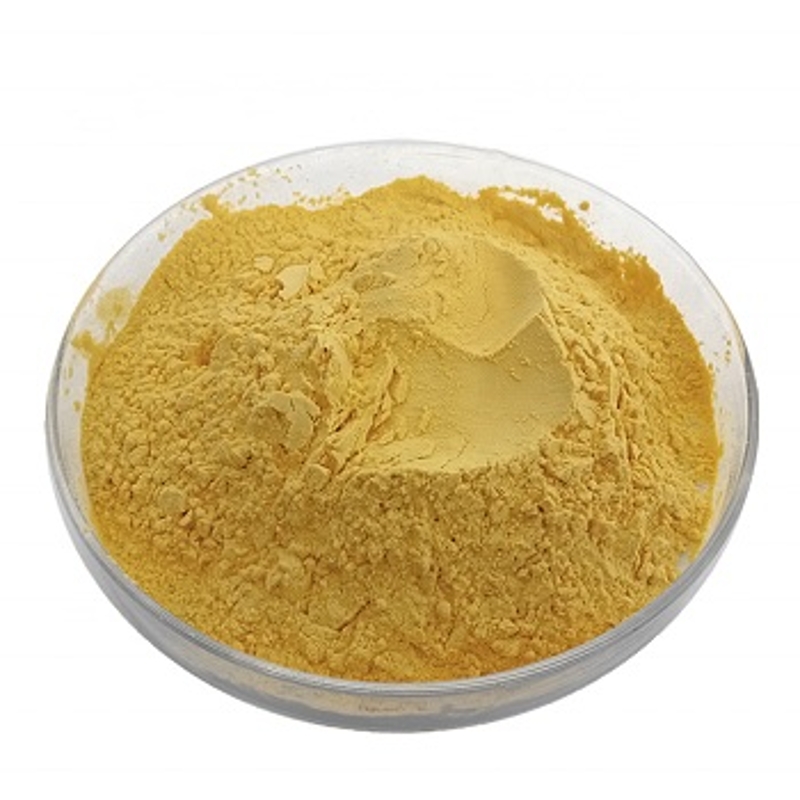
Non-ionic polyacrylamide (a special product among anionic ones), thickener, adhesive, water-retaining agent, drag reducer buy - large image1
Non-ionic polyacrylamide (a special product among anionic ones), thickener, adhesive, water-retaining agent, drag reducer buy - image1
Non-ionic polyacrylamide (a special product among anionic ones), thickener, adhesive, water-retaining agent, drag reducer buy - image2
Non-ionic polyacrylamide (a special product among anionic ones), thickener, adhesive, water-retaining agent, drag reducer buy - image3
Non-ionic polyacrylamide (a special product among anionic ones), thickener, adhesive, water-retaining agent, drag reducer buy - image4
Non-ionic polyacrylamide (a special product among anionic ones), thickener, adhesive, water-retaining agent, drag reducer buy - image5
Non-ionic polyacrylamide (a special product among anionic ones), thickener, adhesive, water-retaining agent, drag reducer buy - image6

Non-ionic polyacrylamide (a special product among anionic ones), thickener, adhesive, water-retaining agent, drag reducer

71 Inquiries

Unit Price:

$1588-1735/MT FOB

Get Latest Price
CAS No.:

9003-05-8

Grade:

Industrial Grade

Content:

88%

Port:

Qingdao Port

Brand:

zhencheng

Packaging:

25 kg is packed in PE plus kraft paper bags or composite film packaging

Price valid (until):

2026-06-30

Company Type:
Manufactory
Location:
China
Qualification:
Main Products:

Polyacrylamide,Polyaluminum Chloride,Poly Ferric Sulfate,Aluminium Sulfate,Activated Carbon / Activated Charcoal,Quartz Sand Filter Media

  • Product Description

  • Seller Information

  • Inquiry History

  • Description

    Comprehensive and Detailed Instruction Manual for Non-ionic Polyacrylamide Products

    I. Core Overview of the Product

    1.1 Product Definition and Chemical Nature

    Non-ionic polyacrylamide (referred to as NPAM in English) is a water-soluble linear polymer prepared by free radical homopolymerization of acrylamide monomers. It is a high-end fine chemical product in the polyacrylamide series with no obvious ionic charge characteristics. The molecular chain contains only neutral amide groups (-CONH₂) and no ionizable anionic or cationic groups. It has an extremely low degree of hydrolysis, with the degree of hydrolysis of conventional products being ≤ 5%. It is a polymer additive with multiple functions such as flocculation, thickening, bonding, dispersion, and film-forming.

    Shop Non-ionic polyacrylamide (a special product among anionic ones), thickener, adhesive, water-retaining agent, drag reducer-Detailed Image 1

    As a typical representative of water-soluble polymer, non-ionic polyacrylamide is insoluble in most organic solvents and can only dissolve in water to form a uniform, transparent, and viscous colloidal solution. It has good thermal stability and chemical stability, and can maintain a stable molecular structure in neutral, acidic, and weakly alkaline water bodies. It will not have problems such as charge imbalance and molecular chain breakage due to fluctuations in the pH value of the water body, which is also its core characteristic that distinguishes it from anionic and cationic polyacrylamide.

    1.2 Core Positioning of the Product

    This product features low hydrolysis degree, high molecular weight, high purity, and easy solubility. It is specially developed for scenarios such as acidic wastewater treatment, flocculation of complex water quality, industrial thickening, papermaking auxiliaries, and oilfield exploitation. It can replace conventional ionic polyacrylamide to solve the problem of pH-sensitive water quality treatment. At the same time, it meets the needs of various industries for refinement, high efficiency, and safety of polymer auxiliaries. It is an indispensable functional auxiliary in the fields of environmental protection water treatment, papermaking, petroleum, metallurgy, textile, etc.

    Shop Non-ionic polyacrylamide (a special product among anionic ones), thickener, adhesive, water-retaining agent, drag reducer-Detailed Image 2 Shop Non-ionic polyacrylamide (a special product among anionic ones), thickener, adhesive, water-retaining agent, drag reducer-Detailed Image 3
    Shop Non-ionic polyacrylamide (a special product among anionic ones), thickener, adhesive, water-retaining agent, drag reducer-Detailed Image 4

    II. Core Characteristics and Performance Advantages of the Product

    2.1 Basic Physical and Chemical Characteristics

    • Appearance and form: The mainstream products are white or off-white granular or powdery, with uniform and plump particles, no agglomeration, no impurities, and no peculiar smell; colloidal products are colorless, transparent and viscous liquids, without stratification, precipitation, or suspended solids.

      Water solubility: Excellent water solubility, can quickly dissolve in water at room temperature, forming a transparent and viscous solution after dissolution, with no visible insoluble substances to the naked eye. Its dissolution performance in low-temperature environments is better than that of ionic polyacrylamide, making it suitable for low-temperature water treatment scenarios.

      Charge characteristics: Non-ionic type, the molecular chain is electrically neutral, without positive or negative charge repulsion, and has extremely low sensitivity to water pH value and salinity. It performs stably in acidic and neutral water bodies with pH 2-8, and will not fail due to changes in water ion concentration.

      Thermal stability: It can withstand high temperatures below 120℃ in a dry state, and the aqueous solution maintains stable performance below 80℃. There is no degradation or deterioration during long-term storage, and the molecular chain structure remains intact.

      Safety: Non-toxic and non-corrosive, free of harmful impurities such as heavy metals, with the residual monomer content strictly controlled within the national standard limits. During use, it will not cause secondary pollution to water bodies, soil, or the human body, and is suitable for compliant scenarios such as drinking water pretreatment and food processing assistance.

    • Shop Non-ionic polyacrylamide (a special product among anionic ones), thickener, adhesive, water-retaining agent, drag reducer-Detailed Image 5 Shop Non-ionic polyacrylamide (a special product among anionic ones), thickener, adhesive, water-retaining agent, drag reducer-Detailed Image 6
    • 2.2 Core Performance Advantages

      2.2.1 Excellent flocculation performance, suitable for complex water qualities

      Non-ionic polyacrylamide achieves flocculation through the adsorption bridging effect and net catching and sweeping effect of molecular chains, without relying on charge neutralization. Its treatment effect on acidic wastewater, low-turbidity water, high-organic matter wastewater, and wastewater containing fine suspended particles is far superior to that of anionic polyacrylamide. It can quickly adsorb suspended solid particles and colloidal impurities in water, agglomerate small particles into large-volume flocs. The flocs are dense, have a fast settling speed, and are not easy to break, which can significantly improve the efficiency of solid-liquid separation and reduce the turbidity and pollutant content of the effluent.

      2.2.2 Strong anti-interference ability and wide application range

      The molecular structure of the product is stable and not significantly affected by factors such as water pH, salinity, hardness, and temperature. It can still maintain a stable treatment effect in scenarios where conventional flocculants are ineffective, such as high-salt wastewater, low-temperature wastewater, and acidic wastewater. At the same time, it can be used synergistically with inorganic flocculants such as polyaluminum chloride, aluminum sulfate, and polyferric sulfate to form a composite flocculation system, further improving the treatment efficiency and reducing the cost of chemical dosage.

      2.2.3 Fast dissolution rate, convenient and efficient to use

      Compared with ordinary polymer flocculants, this product adopts a refined granulation process, with a moderate specific surface area of the particles. There is no agglomeration or clustering during dissolution. It can be completely dissolved by stirring at room temperature for 30-60 minutes, without the need for long-term high-temperature heating. While reducing energy consumption, it avoids performance degradation caused by the breakage of molecular chains due to high temperature, ensuring the stability of the use effect of the agent.

      2.2.4 Outstanding versatility, suitable for multi-industry needs

      In addition to its core flocculation function, it also has excellent thickening, bonding, dispersing, and film-forming properties. It can flexibly adjust parameters such as molecular weight and degree of hydrolysis according to the needs of different industries, making it suitable for multiple fields including water treatment, papermaking, petroleum, metallurgy, textiles, building materials, and soil improvement. It realizes the use of one agent for multiple purposes, reducing the procurement and usage costs of enterprises.

      2.2.5 High purity, low residue, and strong compliance

      The product is polymerized using high-purity acrylamide monomers. The impurity content is strictly controlled during the production process. Indicators such as water-insoluble substances and residual monomers are far superior to the national standard limits. It meets the compliance requirements of industries such as environmental protection, food, and drinking water, has no potential safety hazards, and can be used stably for a long time.

      Shop Non-ionic polyacrylamide (a special product among anionic ones), thickener, adhesive, water-retaining agent, drag reducer-Detailed Image 7 Shop Non-ionic polyacrylamide (a special product among anionic ones), thickener, adhesive, water-retaining agent, drag reducer-Detailed Image 8

      III. Product Specification Parameters and Model Classification

      3.1 Core Specification Parameters (Regular Model)

      Parameter Items
      Indicators of granular products
      Indicators of powdered products
      Indicators of colloidal products
      Appearance
      White uniform particles, no agglomeration
      White fine powder, no impurities
      Colorless, transparent, viscous colloid, no stratification
      Solid content (%)
      ≥88
      ≥90
      ≥30
      Molecular weight (10,000)
      600-1800
      800-1500
      300-800
      Degree of hydrolysis (%)
      ≤5
      ≤5
      ≤3
      Water-insoluble substances (%)
      ≤0.2
      ≤0.15
      ≤0.1
      Residual monomer (%)
      ≤0.05
      ≤0.05
      ≤0.03
      Dissolution time (25℃, min)
      40-60
      30-40
      10-20
      Aqueous solution pH value (0.1%)
      7.0-8.0
      7.0-8.0
      6.5-7.5
      Particle size (mesh)
      20-80
      80-120
      ——
      Viscosity (mPa·s, 0.5% aqueous solution)
      300-600
      350-650
      200-400

      3.2 Model Classification and Adaptation Scenarios

      Non-ionic polyacrylamide is divided into different models according to molecular weight, purpose, and form, which can meet the needs of differentiated scenarios. The specific models and their applicable scenarios are as follows:
       
      • NPAM-600 type: low molecular weight (6 million), granular, extremely fast dissolution rate, suitable for scenarios such as rapid flocculation of acidic wastewater, dispersion of fine particles, and preparation of textile sizing agents;
      •  
      • NPAM-1000 type: medium molecular weight (10 million), granular, balanced overall performance, suitable for municipal sewage pretreatment, conventional flocculation of industrial wastewater, and papermaking retention and drainage scenarios;
      •  
      • NPAM-1500 type: high molecular weight (15 million), granular, extremely strong flocculation ability, suitable for scenarios such as high-turbidity acidic wastewater treatment, sludge dewatering, and metallurgical mineral processing tailings treatment;
      •  
      • NPAM-1800 type: ultra-high molecular weight (18 million), powdered, excellent in both thickening and flocculation, suitable for oilfield drilling mud, tailings dry discharge, and high-viscosity wastewater treatment scenarios;
      •  
      • NPAM-J type: colloidal, low molecular weight, suitable for food processing wastewater, drinking water pretreatment, and fine chemical thickening scenarios.
      •  
      It also supports customized production. According to the actual needs of customers, parameters such as molecular weight, degree of hydrolysis, solid content, and particle size can be adjusted to create exclusive models, which are suitable for the personalized needs of special industries and special water qualities.

      IV. Product Quality Standards and Testing Specifications

      4.1 Execution Standards

      This product strictly complies with the national standard GB/T 17514-2017 "Water Treatment Agents - Anionic and Non-ionic Polyacrylamide", and also meets the relevant chemical product quality control requirements of the Ministry of Environmental Protection and the Ministry of Industry and Information Technology. All indicators meet or exceed the national standard limits, ensuring that the product quality is stable and compliant.

      4.2 Core Quality Indicators (National Standards + Internal Control Standards)

      Testing items
      National standard limit value
      Enterprise internal control standards
      Significance of Testing
      Solid content
      ≥88.0% (granule/powder)
      ≥90.0% (granule/powder)
      The measurement of the content of active ingredients in the product directly affects the dosage and usage cost.
      Degree of hydrolysis
      ≤5.0%
      ≤3.0%
      Ensure the non-ionic properties of the product and avoid performance degradation in acidic water bodies
      Water-insoluble substances
      ≤0.2%
      ≤0.1%
      Prevent clogging of pipelines and filter cloths after dissolution, and ensure the normal operation of equipment
      Residual monomer
      ≤0.05%
      ≤0.03%
      Control the residues of toxic and harmful substances to ensure safety in use
      Dissolution time
      ≤60min(25℃)
      ≤45min(25℃)
      Improve ease of use, and reduce energy consumption and time costs for dissolution
      Particle size
      Conforms to the agreed specifications
      Particle size qualification rate ≥ 98%
      Ensure the uniformity of dissolution and avoid caking and agglomeration
      pH value
      6.0-9.0
      7.0-8.0
      Suitable for neutral and acidic water bodies, avoiding disrupting the pH balance of water bodies

      4.3 Detection Methods and Procedures

      4.3.1 Methods for Routine Testing Items

      • Solid content detection: The drying and weighing method is adopted. A quantitative sample is placed in an oven at 105℃ and dried to a constant weight. The ratio of the mass of the dried sample to the mass of the original sample is calculated.
      •  
      • Detection of degree of hydrolysis: The acid-base titration method is used. The aqueous solution of the sample is titrated with a standard hydrochloric acid solution to calculate the carboxyl group content, and then the degree of hydrolysis is obtained.
      •  
      • Detection of water-insoluble substances: The filtration and weighing method is adopted. After the sample is completely dissolved, it is filtered with quantitative filter paper. The filter residue is dried and weighed, and the proportion of insoluble substances is calculated.
      •  
      • Residual monomer detection: High-performance liquid chromatography (HPLC) equipped with an ultraviolet detector is used for accurate quantitative detection of acrylamide monomer residues.
      •  
      • Dissolution time detection: At room temperature, add water to a quantitative sample and stir, then record the time until it is completely dissolved without any particles;
      •  
      • Molecular weight detection: Gel Permeation Chromatography (GPC) is adopted. Through calibration with standard samples, the molecular weight and distribution range of the sample are determined.
      • 4.3.2 Quality Control Process

        The product implements a four-level quality control system of "raw material sampling inspection - process monitoring - finished product full inspection - ex-factory re-inspection": detection of acrylamide monomer purity and impurity content before raw materials are put into storage; real-time monitoring of process parameters during production links such as polymerization, granulation, and drying; full inspection of quality indicators before finished products leave the factory; re-sampling inspection of core parameters before delivery, to ensure that each batch of products meets quality standards and prevent unqualified products from entering the market.

        V. Multi-scenario Applications and Practical Operation Plans of the Product

        5.1 Water Treatment Industry (Core Application Field)

        5.1.1 Treatment of Acidic Industrial Wastewater

        For acidic wastewater (pH 2-6) generated in industries such as chemical engineering, metallurgy, electroplating, and pickling, conventional anionic polyacrylamide is ineffective due to charge imbalance. Non-ionic polyacrylamide, with its electrically neutral property, can quickly flocculate impurities in the wastewater such as heavy metal hydroxides, suspended particles, and oil stains, forming dense flocs that settle rapidly to achieve solid-liquid separation. Recommended dosage: 0.5-3mg/L, dissolution concentration 0.1%-0.3%. Better results are achieved when used in conjunction with polyaluminum chloride, and the effluent turbidity can be reduced to below 5NTU, meeting the requirements for discharge standards.

        5.1.2 Municipal Sewage Pretreatment

        It is used for pretreatment before primary sedimentation tanks and biochemical tanks of municipal sewage. It can quickly remove suspended solids and colloidal impurities in sewage, reduce the load of subsequent biochemical treatment, improve the sedimentation efficiency of sedimentation tanks, and reduce sludge production. Recommended dosage: 0.3-1mg/L, dissolution concentration 0.1%, stirring speed controlled at 100-200r/min to avoid molecular chain breakage.

        5.1.3 Sludge Dewatering Treatment

        It is suitable for dewatering municipal sludge and industrial sludge, especially acidic sludge and sludge with high organic matter content. It can improve sludge dewaterability, make the sludge form large and dense flocs, which do not stick to the filter cloth or block the equipment, reduce the moisture content of the mud cake to below 60%, and enhance the sludge dewatering efficiency and drying effect. Recommended dosage: 5-20kg per ton of dry sludge, dissolution concentration 0.2%-0.5%. It is compatible with both plate and frame filter presses and belt filter presses.

        5.1.4 Pretreatment of Drinking Water

        It meets the standards for drinking water treatment additives and can be used for the pretreatment of raw water such as reservoir water and river water. It removes fine suspended particles, algae, and organic matter from water, reduces the turbidity of raw water, improves the subsequent filtration and disinfection effects, and ensures the safety of drinking water. Recommended dosage: 0.1-0.5mg/L, dissolution concentration 0.05%-0.1%. Strictly control the dosage to avoid residues.

        5.2 Petroleum Extraction Industry

        It is used as an additive for oilfield drilling mud, a profile control and water plugging agent, and an additive for tertiary oil recovery. It can increase the viscosity of drilling mud, stabilize mud performance, prevent wellbore collapse and mud loss; reduce drilling friction and protect drilling tools; in tertiary oil recovery, it can improve oil displacement efficiency and enhance crude oil recovery. At the same time, it can treat oilfield produced water, flocculate and remove oil stains and suspended solids in the water, and realize the recycling of produced water. The dosage is adjusted according to the drilling depth and water quality, and the general mud addition amount is 0.1%-0.5%.

        5.3 Paper Industry

        Used as a papermaking retention and drainage aid, paper strengthening agent, and pulp water clarifier, it can improve the retention rate of fillers and pigments, reduce the loss of raw materials, and lower the turbidity of white water; enhance the dry and wet strength of paper, improve the uniformity and smoothness of paper; clarify papermaking white water, realize the recycling of white water, and save water resources. Dosage: 0.05%-0.2% for retention and drainage aids, 0.1%-0.3% for strengthening agents.

        5.4 Metallurgical Mineral Processing Industry

        Used in the flotation and tailings treatment of metal ores such as zinc, copper, manganese, and iron. It can quickly flocculate fine mineral particles in tailings slurry, realize slurry concentration and dry discharge of tailings, improve metal recovery rate, reduce tailings wastewater discharge, and reduce environmental protection pressure. Dosage: 1-5mg/L for tailings slurry treatment, 0.5-1mg/L for flotation auxiliaries.

        5.5 Textile Dyeing and Printing Industry

        Used as a textile sizing agent and printing and dyeing wastewater treatment agent. When preparing textile sizing agents, it can improve the adhesiveness and permeability of the sizing agent, reduce the breakage rate and sizing drop rate, and make the fabric surface smooth; when treating acidic printing and dyeing wastewater, it can flocculate and remove dyes and suspended solids, reduce the chromaticity and COD of the wastewater, and improve the biodegradability of the wastewater. The addition amount of the sizing agent is 0.5%-1%, and the dosage for wastewater treatment is 1-4mg/L.

        5.6 Other Application Fields

        • Building materials industry: Used as a coating thickener and cement additive to improve the viscosity and stability of coatings, and enhance the construction performance of cement;
        •  
        • Soil improvement: Used for desert control and slope soil consolidation, it can improve the soil aggregate structure, and enhance the water retention and erosion resistance of the soil.
        •  
        • Food processing: Used as an agent for treating food processing wastewater and a clarifying aid for beverages. It meets food-grade safety standards and ensures compliance in production.
        •  
        • Chemical industry: Used as a raw material for glues and adhesives, it has excellent thickening and bonding properties and is suitable for the production of various fine chemical products.


        Shop Non-ionic polyacrylamide (a special product among anionic ones), thickener, adhesive, water-retaining agent, drag reducer-Detailed Image 9 Shop Non-ionic polyacrylamide (a special product among anionic ones), thickener, adhesive, water-retaining agent, drag reducer-Detailed Image 10 Shop Non-ionic polyacrylamide (a special product among anionic ones), thickener, adhesive, water-retaining agent, drag reducer-Detailed Image 11 Shop Non-ionic polyacrylamide (a special product among anionic ones), thickener, adhesive, water-retaining agent, drag reducer-Detailed Image 12

        VI. Product Usage Methods and Precautions

        6.1 Dissolution Operation Specifications

        1. Dissolving equipment: Use dissolving tanks made of plastic, glass fiber reinforced plastic, or stainless steel. Iron or copper containers are prohibited to avoid metal ions affecting product performance.
        2.  
        3. Water for dissolution: Use clean water or tap water. It is prohibited to use wastewater or sewage for dissolution. The water temperature should be controlled between 5-50℃. Excessively high water temperature will cause molecular chain degradation, while excessively low temperature will prolong the dissolution time.
        4.  
        5. Dissolution concentration: The conventional dissolution concentration is 0.1%-0.5%, which means adding 1-5kg of product to 1 ton of clean water. It is strictly forbidden to dissolve at a high concentration at one time to avoid agglomeration.
        6.  
        7. Stirring requirements: Use low-speed stirring with a stirring speed of 100-200r/min and a stirring time of 30-60 minutes until the product is completely dissolved, free of particles and agglomerates.
        8.  
        9. Storage requirements: The aqueous solution after dissolution should not be stored for a long time. It is recommended to use it up within 24 hours at room temperature to avoid degradation and failure of the solution. In a low-temperature environment, the storage time can be extended to 48 hours.
        10. 6.2 Dosing Operation Specifications

          1. Before dosing, the dosage needs to be adjusted according to water quality and process. A small-scale test should be conducted first to determine the optimal dosage to avoid excessive or insufficient dosing.
          2.  
          3. When adding, use a uniform and continuous dosing method, avoid intermittent large-dose dosing, and ensure that the agent is fully mixed with the water body.
          4.  
          5. When used in conjunction with inorganic flocculants, first add the inorganic flocculant, and then add this product after an interval of 5-10 minutes to give full play to the synergistic effect;
          6.  
          7. After dosing, observe the formation of flocs and the sedimentation effect, promptly adjust the dosage and stirring speed to ensure stable treatment results.
          8. 6.3 Safety Precautions

            • The product is non-toxic, but it is strictly prohibited to be eaten. When operating, please wear gloves and a mask to avoid inhaling the powder into the respiratory tract or contacting the skin and mucous membranes. If contact is accidental, simply rinse with plenty of water.
            •  
            • During the dissolution process, avoid splashing of the solution. If it splashes into the eyes, rinse immediately with plenty of clean water. Seek medical attention promptly if the situation is serious.
            •  
            • The product is prone to absorbing moisture. The dissolution operation must be carried out in a dry and well-ventilated environment. Unused products should be sealed and stored in a timely manner.
            •  
            • It is strictly prohibited to store or transport this product together with strong oxidants and strong acidic corrosives, so as to avoid chemical reactions of the product that may lead to performance failure.
            •  
            • Waste products and packaging containers must be disposed of in accordance with environmental protection requirements. Random disposal is prohibited to avoid environmental pollution.
            • 6.4 Common Problems and Solutions

              Common Problems
              Causes
              Solutions
              Dissolution agglomeration, clumping
              Adding too quickly, insufficient stirring speed, too low water temperature
              Add slowly and evenly, increase the stirring speed, and appropriately raise the water temperature
              Poor flocculation effect
              Insufficient dosage, mismatched model, abnormal pH of water body
              Adjust the dosage, replace with a suitable model, and adjust the pH of the water body
              Decrease in solution viscosity
              Excessively high water temperature, excessively long storage time, and mixing with impurities
              Control the dissolution water temperature, prepare and use immediately, and avoid the mixing of impurities
              Filter cloth clogging
              Excessive water-insoluble substances, excessive dosage
              Choose high-quality products and reasonably control the dosage

              VII. Product Packaging, Storage, Transportation, and Shelf Life

              7.1 Packaging Specifications

              Regular packaging adopts double-layer packaging. The inner layer is a food-grade polyethylene plastic bag, and the outer layer is a kraft paper woven bag/composite paper bag, which is sealed to prevent moisture and damage.

              • Granular and powdered products: 25kg per bag, and customized packaging of 10kg, 50kg, and 1000kg ton bags is also available.

              • Colloidal products: 25kg/barrel, 50kg/barrel, packed in sealed plastic barrels.

              The outer packaging clearly indicates information such as product name, model, specification, production date, shelf life, execution standard, manufacturer, and precautions, facilitating identification and management.

              7.2 Storage Requirements

              Store in a dry, well-ventilated, and cool warehouse with the ambient temperature controlled at 5-30℃ and relative humidity ≤75%; keep away from fire sources, heat sources, and direct sunlight, and avoid rain and moisture; the stacking height shall be ≤10 layers to prevent packaging damage and product caking caused by heavy pressure; store separately from strong acids, strong alkalis, and strong oxidants, and mixed storage is strictly prohibited.

              7.3 Transportation Requirements

              Road, railway, and waterway transportation can be adopted. During transportation, it should be covered to protect against rain, sunlight, and moisture; handled with care to avoid packaging damage; strictly prohibited from being transported together with toxic, harmful, strongly corrosive, and strongly oxidizing substances; and transportation vehicles should be kept clean with protective measures in place.

              7.4 Shelf Life

              Under the premise of meeting the storage and transportation requirements, the shelf life of granular and powdery products is 24 months, and that of colloidal products is 12 months; products that exceed the shelf life need to be re-inspected for quality indicators and can continue to be used only after passing the inspection.

              Shop Non-ionic polyacrylamide (a special product among anionic ones), thickener, adhesive, water-retaining agent, drag reducer-Detailed Image 13

              VIII. Product Customization Services and After-Sales Support

              8.1 Customized Services

              In response to customers' needs for special water quality, special processes, and special applications, we provide one-on-one customization services. We can adjust parameters such as molecular weight, degree of hydrolysis, solid content, particle size, and dissolution rate to develop exclusive models. At the same time, we offer services such as sample trials, small-scale tests, and pilot-scale tests, and issue suitable schemes free of charge to ensure that the products meet customers' actual needs and achieve the optimal use effect.

              8.2 After-sales Guarantee

              • Provide full-process technical guidance, including services such as product selection, dissolution and dosing, process optimization, and problem troubleshooting.

              • Establish customer profiles, conduct regular follow-up visits, track product usage, and promptly solve usage problems.

              • Unconditional return and exchange for product quality issues, assuming relevant losses, to protect customers' rights and interests.

              • 24-hour online customer service, quickly responding to customer inquiries and after-sales needs, and providing efficient services.
              • IX. Summary

                Non-ionic polyacrylamide, with its core advantages of **electrical neutrality, anti-interference, multi-functionality, high purity, and easy solubility**, has broken through the application limitations of conventional ionic polyacrylamide. It has become the preferred product for acidic wastewater treatment, complex water quality treatment, and as a polymer additive in various industries. The product is produced in strict accordance with national standards, with stable and reliable quality, a wide range of applicable scenarios, convenient and safe usage. Coupled with comprehensive customization and after-sales support, it can fully meet the refined, efficient, and compliant needs of users in various industries. It is a high-quality functional additive that helps enterprises reduce costs, increase efficiency, meet environmental standards, and achieve green production.

    Basic Info
    Product Name:

    Polyacrylamide

    Other Name:

    2-Propenamide,homopolymer;Acrylamide,polymers;Acrylamide polymer;Polyacrylamide;Cyanamer P 250;PAA 1;Sumirez A 27;Pamid;Cyanamer P 35;Sumirez A 17;PAM 50;Solvitose 433;American Cyanamid KPAM;Aminogen PA;AP 273;Dow ET 597;Dow J 100;ET 597;J 100 (polymer);K-PAM;PAM;Cytame 5;P 300 (polyacrylamide);Sursolan P 5;Sanpoly A 520;P 250 (polymer);PAM (homopolymer);American Cyanamid P 250;Himoloc OK 507;J 100;P 250;Acrylamide homopolymer;Himoloc SS 200;Praestol 2800;Versicol W 11;PAA 70L;Polyacrylamide resin;Stokopol D 2624;Flygtol GB;K 4 (acrylic polymer);Gelamide 250;Dow 164;Diaclear MA 3000H;Migunon NS;Calgon 470;K 4;Calgon 800;Plex 4847D;Nalco Lp 3033;Solidokoll K;Polysic;Polymerset C 305;Aron F 40;TY 007;Versicol W 25;DP 1916;Cogum 25H;Polystron 117;KAL 13;Stargum AD-S;P 300;Texapret AM;Polystron 194-7;Get-Down;Nalco 7871;Versicol WN 15;Zonen A;Viterra II;NL;X-Coat P 130C;Sepaflux CE 5174;Praestol 2810/73;Boze Floc N 46BT;Polias 320;GPA-u;AMF;38F;Hiset P 700;Alcoflood 1175;Cogum 20P;Magnifloc 900N;Hiset P 700SN;Praestol 6000;2J;Versicol W 17;KW 677;Polyhall 2J;Nalco 8871;Percol 333;Polyhall 5J;Diaclear MN 3000H;Polyacron KR 143;BanDrift;Sedipur TF;Sedipur TF 514;PC 305;Tulsepar PNS 1;Seabetter AD;Formula 358;Santac SP 66;Mirbane 301;Santac SP 67;DK Dry Capsule ESP;Polystron 191;X-Coat P 180S;E 936;Polystron 145;Pomosist 117;Cyanamer N 300LMW;DP 9-6193;Sumifloc FN 10H;Instar NS;9082-06-8;12624-24-7;25038-45-3;27754-57-0;31566-42-4;33338-03-3;39355-07-2;39387-77-4;51312-40-4;57679-11-5;68247-81-4;72270-86-1;79079-15-5;104981-89-7;114265-35-9;122177-63-3;124262-35-7;129774-19-2;133522-77-7;143180-09-0;143180-13-6;143180-22-7;143749-07-9;200138-95-0;210353-85-8;223905-39-3;443682-77-7;449742-46-5;1226898-28-7;1229457-12-8;1400274-08-9;1621105-90-5;1621105-93-8;2098539-70-7;2113610-86-7

    CAS No.:

    9003-05-8

    Molecular Formula:

    (C3H5NO)x

    InChIKeys:

    InChIKey=HRPVXLWXLXDGHG-UHFFFAOYSA-N

    Molecular Weight:

    71.07790

    Exact Mass:

    71.03710

    EC Number:

    201-173-7

    HScode:

    3906901000

    Categories:

    Flocculant

    Characteristics
    PSA:

    43.09000

    XLogP3:

    0.35800

    Appearance:

    Acrylamide appears as white crystalline solid shipped either as a solid or in solution. A confirmed carcinogen. Toxic by skin absorption. Less dense than water and soluble in water. May be toxic by ingestion. Used for sewage and waste treatment, to make dyes, adhesives. The solid is stable at room temperature, but upon melting may violently polymerize. Toxic, irritating to skin, eyes, etc.

    Density:

    1.3 g/cm3

    Melting Point:

    246 °C

    Boiling Point:

    347-572°F (Decomposes)

    Flash Point:

    >230 °F

    Refractive Index:

    n20/D 1.452

    Water Solubility:

    H2O: soluble

    Storage Conditions:

    Refrigerator

    Vapor Pressure:

    Vapour pressure, Pa at 25°C: 0.9

    Vapor Density:

    Relative vapour density (air = 1): 2.45

    Toxicity:

    LD50 oral in rabbit: 11250mg/kg

    Flammability characteristics:

    Combustible Solid (may also be dissolved in flammable liquids).

    Explosive limit:

    A VIOLENT EXPLOSION OCCURRED DURING COMMON LAB PROCEDURE OF DISSOLVING ELECTROPHORESIS POLYACRYLAMIDE GELS WITH H2O2, IN ORDER TO MEASURE RADIOACTIVE SPECIES BY SCINTILLATION COUNTING.

    Odor:

    Odorless

    PH:

    pH = 5.0-6.5 /50% aqueous solution/

    Hazard Identification

    Classification of the substance or mixture

    Not classified.

    GHS label elements, including precautionary statements

    Pictogram(s) No symbol.
    Signal word

    No signal word

    Hazard statement(s)

    none

    Precautionary statement(s)
    Prevention

    none

    Response

    none

    Storage

    none

    Disposal

    none

    Other hazards which do not result in classification

    no data available

    Handling and Storage

    Precautions for safe handling

    Handling in a well ventilated place. Wear suitable protective clothing. Avoid contact with skin and eyes. Avoid formation of dust and aerosols. Use non-sparking tools. Prevent fire caused by electrostatic discharge steam.

    Conditions for safe storage, including any incompatibilities

    Store the container tightly closed in a dry, cool and well-ventilated place. Store apart from foodstuff containers or incompatible materials.

  • Seller Information
    Business Type:

    Manufactory

    Main Products:

    Polyacrylamide,Polyaluminum Chloride,Poly Ferric Sulfate,Aluminium Sulfate,Activated Carbon / Activated Charcoal,Quartz Sand Filter Media

    Location:

    No. 162, Shuanghe Village, Jiajinkou Town, Gongyi City

    Payment Terms:

    TT against copy of documents,D/P,L/C,100% TT in advance

    Year of Establishment:

    2014

    Certifications:

    trademark,Business License

    Henan Zhencheng Environmental Protection Technology Co., Ltd., founded in 2000, focuses on deep cultivation in the environmental protection field. It is mainly engaged in the whole-process services of production, sales, inspection, analysis and on-site commissioning of water treatment chemicals, water purifiers, activated carbon, filter media and fillers, and is committed to providing professional and efficient water treatment solutions for various industries.
    The company's main products cover multiple series, including:
    • Polyacrylamide (PAM)
    • Polyaluminum Chloride (PAC)
    • Poly Aluminum Ferric Chloride
    • Poly Ferric Sulfate (PFS)
    • Ferrous Sulfate
    • Activated Carbon
    • Filter Media
    • Fillers, etc.
    The company always adheres to the bottom line of quality. Its products strictly implement relevant national and industry standards, and adopt advanced production processes and testing equipment to ensure that each batch of products meets quality requirements. With stable and reliable product quality, the company's products are widely used in many core fields such as papermaking, printing and dyeing, sewage treatment, chemical industry, coal gas, metallurgy, urban construction and environmental protection, providing strong support for water purification and environmental governance in various industries.
    Over the years, the company has deeply cultivated the market and pursued innovation. Its products are sold to many countries and regions at home and abroad. With high-quality products and considerate services, it has won high praise and wide trust from global users, and its brand popularity and industry influence have steadily improved.
    Upholding the philosophy of "equality and mutual benefit, friendly cooperation and win-win development", Henan Zhencheng Environmental Protection Technology Co., Ltd. is willing to make acquaintances with friends from all walks of life at home and abroad, carry out comprehensive and in-depth cooperation in environmental protection engineering project construction, technical exchange, product promotion and other aspects, work together to purify water quality, protect the ecological environment, and build a beautiful home where man and nature live in harmony.
  • Inquiry History
    71 Inquiries
    Country Product Purchase Quantity Date Posted
    Philippines

    Polyacrylamide (PAM) 100% white powder CAS 9003-05-8

    500 KG Sep 11, 2023
    Switzerland

    Fast Delivery Petrochemical Materials Anionic Polyacrylamide Pam Polymer CAS 9003-05-8 EU UK

    20000 MT Sep 1, 2023
    Malaysia

    Polyacrylamide

    1.00 KG Apr 30, 2026
    Turkey

    Polyelectrolyte

    100 MT Jan 29, 2024
    India

    Poly acrylamide (Antiscalant)

    50.00 KG Feb 29, 2024
    India

    Cationic Polyelectrolyte Powder

    25.00 KG Sep 8, 2023
    India

    Poly Acrylamide

    750 KG Mar 24, 2025
    India

    Poly Acrylamide ( PAM )

    750.00 KG Mar 26, 2025
    India

    Anionic Polyacrylamide

    300 KG Apr 21, 2025
    Mexico

    Polyacrylamide

    10 TON Nov 23, 2023
    India

    Polyacrylamide

    1.00 KG Apr 27, 2026
    India

    Polyacrylamide

    10.00 MT Apr 27, 2026
    Philippines

    Polyacrylamide

    1 MT Feb 27, 2026
    Saudi Arabia

    Polyacrylamide

    1.00 KG Jan 6, 2026
    Pakistan

    PARTIALLY HYDROLYZED POLY ACRYLAMIDE

    50 MT Jan 5, 2026
    Georgia

    Anionic Polyacrylamide (Anionic Poly)

    1500 KG Dec 8, 2025
    United Arab Emirates

    Polyacrylamide

    3000 KG Nov 24, 2025
    Egypt

    Poly aclyrimide

    1.00 20' Fcl Oct 9, 2025
    South Korea

    PAM

    1 PCS Sep 2, 2025
    Saudi Arabia

    Polyanionic cellulose

    200.00 MT Aug 13, 2025
    Post an enquiry for this product
pic ×

Scan the QR Code to Share

All products displayed on this website are only for non-medical purposes such as industrial applications or scientific research, and cannot be used for clinical diagnosis or treatment of humans or animals. They are not medicinal or edible.

According to relevant laws and regulations and the regulations of this website, units or individuals who purchase hazardous materials should obtain valid qualifications and qualification conditions.

The information shown above is provided by the enterprise itself, and the authenticity, accuracy and legitimacy of the content are the responsibility of the publishing company. ECHEMI does not bear any guarantee responsibility for this. Please be aware that risks in internet transactions objectively exist.

Feedback & Suggestions
Send Message

Thank you for your feedback. If you require further assistance, please contact us by email at info@echemi.com or call us at +86-532-55729510.