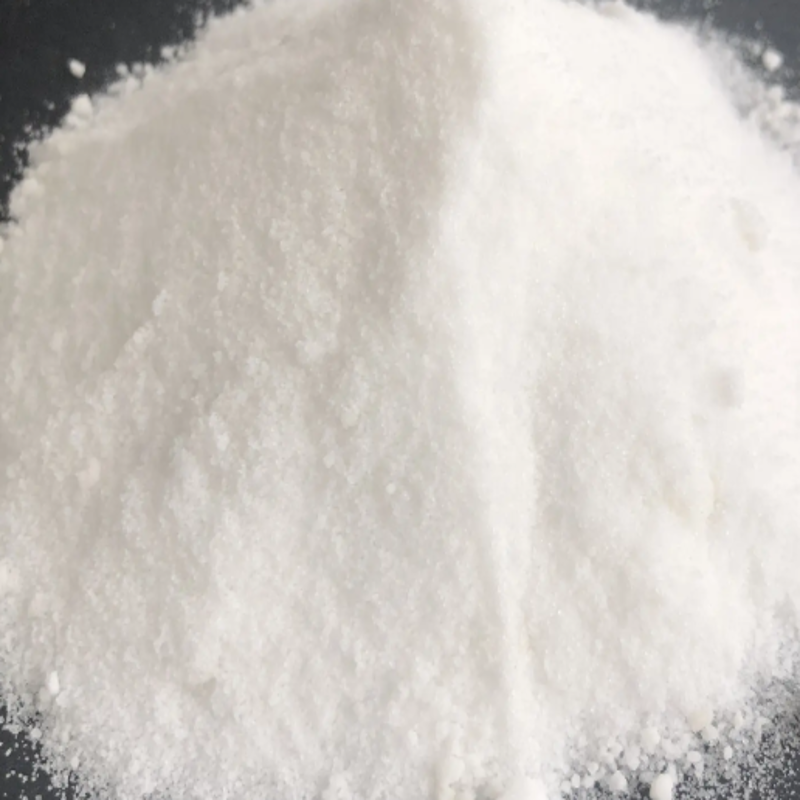
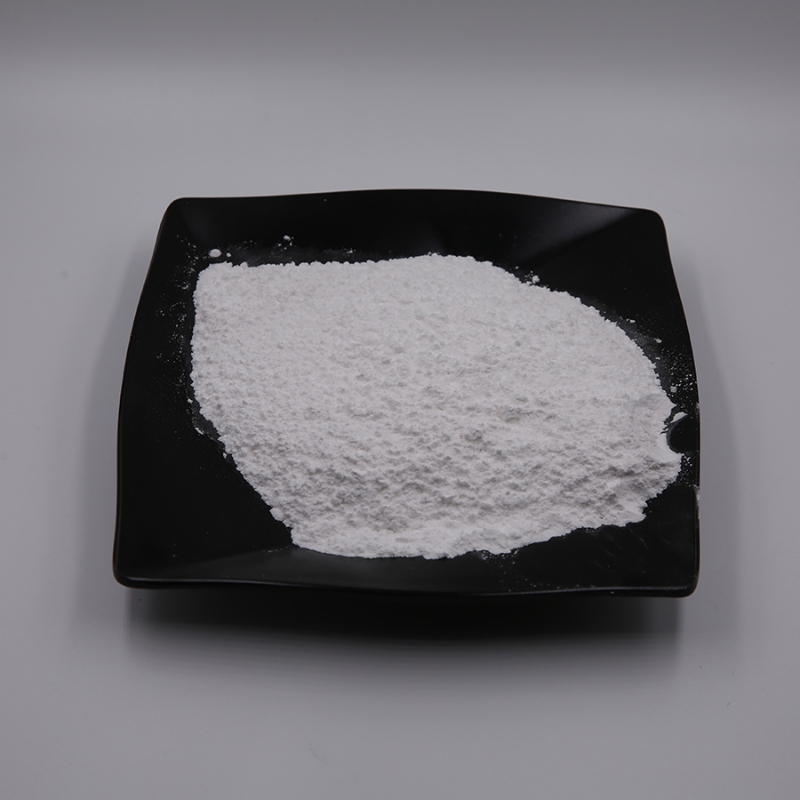
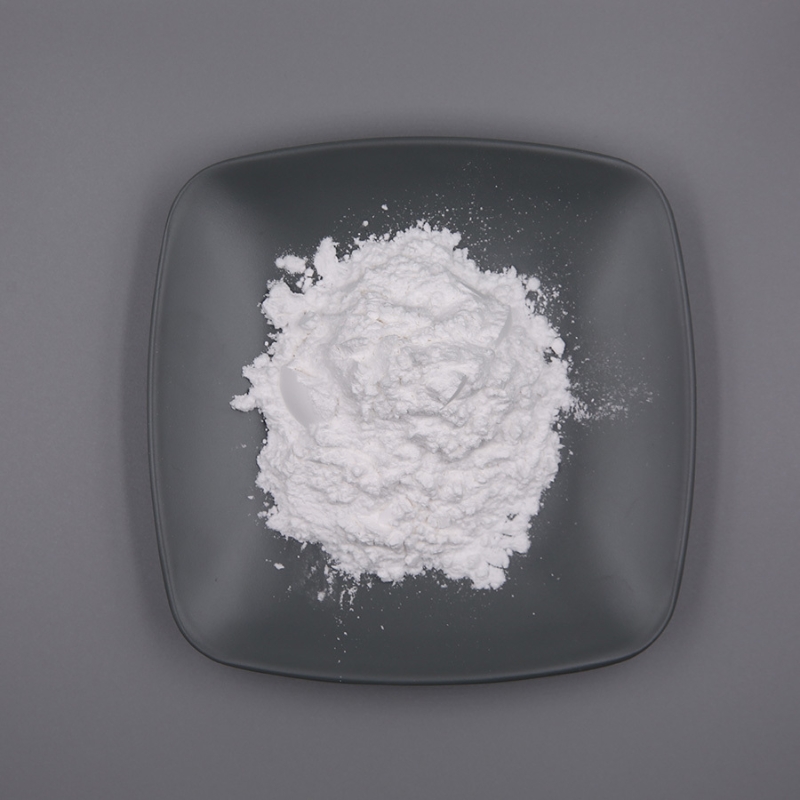
Chemical Properties: Milbemycin oxime is an oxime derivative of milbemycin D. Milbemycin D contains hydroxyl groups at carbon-5 and carbon-7 positions, separate double bonds at carbon-3 and carbon-14 positions, and a conjugated diene structure at carbon-8 and carbon-11. The Sankyo group chemically transforms the allyl hydroxyl group at the 5-position, synthesizing a series of oxime derivatives from milbemycin A4 and A3. The carbon-5 hydroxyl group is quantitatively oxidized to a ketone by manganese dioxide. This ketone-containing α,β-hydroxylamine hydrochloride reacts in dioxane-methanol-water to produce a series of 5-oxime milbemycins. Milbemycin oxime mainly contains milbemycin A3 and A4 oximes, with A4 oxime not less than 80% and A3 oxime not exceeding 20%. It is a yellow crystalline powder with an off-odor, readily soluble in organic solvents such as benzene, acetone, ethanol, methanol, and chloroform, but insoluble in water. Uses: Milbemoxime is currently a highly effective drug for the prevention and treatment of internal and external parasites in dogs and cats. It is particularly effective against heartworms and highly effective against hookworms, roundworms, whipworms, roundworms, and other internal parasites, as well as ectoparasites such as demodicosis, mange, lice, and fleas. Milbemoxime can paralyze and kill parasites without adversely affecting nerve conduction in mammals, and it even has no effect on sheepdogs, which are generally considered to have a high blood-brain barrier permeability.
Chemical Properties: Milbemycin oxime is an oxime derivative of milbemycin D. Milbemycin D contains hydroxyl groups at carbon-5 and carbon-7 positions, separate double bonds at carbon-3 and carbon-14 positions, and a conjugated diene structure at carbon-8 and carbon-11. The Sankyo group chemically transforms the allyl hydroxyl group at the 5-position, synthesizing a series of oxime derivatives from milbemycin A4 and A3. The carbon-5 hydroxyl group is quantitatively oxidized to a ketone by manganese dioxide. This ketone-containing α,β-hydroxylamine hydrochloride reacts in dioxane-methanol-water to produce a series of 5-oxime milbemycins. Milbemycin oxime mainly contains milbemycin A3 and A4 oximes, with A4 oxime not less than 80% and A3 oxime not exceeding 20%. It is a yellow crystalline powder with an off-odor, readily soluble in organic solvents such as benzene, acetone, ethanol, methanol, and chloroform, but insoluble in water. Uses: Milbemoxime is currently a highly effective drug for the prevention and treatment of internal and external parasites in dogs and cats. It is particularly effective against heartworms and highly effective against hookworms, roundworms, whipworms, roundworms, and other internal parasites, as well as ectoparasites such as demodicosis, mange, lice, and fleas. Milbemoxime can paralyze and kill parasites without adversely affecting nerve conduction in mammals, and it even has no effect on sheepdogs, which are generally considered to have a high blood-brain barrier permeability.
Chemical Properties: Milbemycin oxime is an oxime derivative of milbemycin D. Milbemycin D contains hydroxyl groups at carbon-5 and carbon-7 positions, separate double bonds at carbon-3 and carbon-14 positions, and a conjugated diene structure at carbon-8 and carbon-11. The Sankyo group chemically transforms the allyl hydroxyl group at the 5-position, synthesizing a series of oxime derivatives from milbemycin A4 and A3. The carbon-5 hydroxyl group is quantitatively oxidized to a ketone by manganese dioxide. This ketone-containing α,β-hydroxylamine hydrochloride reacts in dioxane-methanol-water to produce a series of 5-oxime milbemycins. Milbemycin oxime mainly contains milbemycin A3 and A4 oximes, with A4 oxime not less than 80% and A3 oxime not exceeding 20%. It is a yellow crystalline powder with an off-odor, readily soluble in organic solvents such as benzene, acetone, ethanol, methanol, and chloroform, but insoluble in water. Uses: Milbemoxime is currently a highly effective drug for the prevention and treatment of internal and external parasites in dogs and cats. It is particularly effective against heartworms and highly effective against hookworms, roundworms, whipworms, roundworms, and other internal parasites, as well as ectoparasites such as demodicosis, mange, lice, and fleas. Milbemoxime can paralyze and kill parasites without adversely affecting nerve conduction in mammals, and it even has no effect on sheepdogs, which are generally considered to have a high blood-brain barrier permeability.
Chemical Properties: Milbemycin oxime is an oxime derivative of milbemycin D. Milbemycin D contains hydroxyl groups at carbon-5 and carbon-7 positions, separate double bonds at carbon-3 and carbon-14 positions, and a conjugated diene structure at carbon-8 and carbon-11. The Sankyo group chemically transforms the allyl hydroxyl group at the 5-position, synthesizing a series of oxime derivatives from milbemycin A4 and A3. The carbon-5 hydroxyl group is quantitatively oxidized to a ketone by manganese dioxide. This ketone-containing α,β-hydroxylamine hydrochloride reacts in dioxane-methanol-water to produce a series of 5-oxime milbemycins. Milbemycin oxime mainly contains milbemycin A3 and A4 oximes, with A4 oxime not less than 80% and A3 oxime not exceeding 20%. It is a yellow crystalline powder with an off-odor, readily soluble in organic solvents such as benzene, acetone, ethanol, methanol, and chloroform, but insoluble in water. Uses: Milbemoxime is currently a highly effective drug for the prevention and treatment of internal and external parasites in dogs and cats. It is particularly effective against heartworms and highly effective against hookworms, roundworms, whipworms, roundworms, and other internal parasites, as well as ectoparasites such as demodicosis, mange, lice, and fleas. Milbemoxime can paralyze and kill parasites without adversely affecting nerve conduction in mammals, and it even has no effect on sheepdogs, which are generally considered to have a high blood-brain barrier permeability.








 Canada
 United States