Product
Supplier
Encyclopedia
Inquiry
2-Amino Pyridine buy - large image1
2-Amino Pyridine buy - image1
2-Amino Pyridine buy - image2
2-Amino Pyridine buy - image3
2-Amino Pyridine buy - image4
2-Amino Pyridine buy - image5
2-Amino Pyridine buy - image6

2-Amino Pyridine

2 Inquiries

Unit Price:

$33-34/MT FOB

Get Latest Price
CAS No.:

504-29-0

Grade:

Pharmaceutical Grade

Content:

99.5%

Port:

上海

Brand:

OORENT

Packaging:

Vial/Bottle/Bag/Carton

Price valid (until):

2026-07-16

Company Type:
Trader
Location:
China
Qualification:
Main Products:

pharmaceutical intermediates,peptides,electronic chemicals

  • Product Description

  • Seller Information

  • Inquiry History

  • Description


      Product Detail  


    2-Aminopyridine Chemical Properties
    Melting point  59 °C
    Boiling point  204-210 °C(lit.)
    bulk density 600kg/m3
    density  1.0308 (estimate)
    vapor pressure  5 hPa (125 °C)
    refractive index  1.5560 (estimate)
    Fp  198 °F
    storage temp.  Store below +30°C.
    solubility  890g/l
    pka 6.82(at 20℃)
    form  Crystalline Powder, Crystals or Flakes
    color  Cream to light yellow-beige
    Odor Characteristic odour
    Water Solubility  Slightly soluble. 1-5 g/100 mL at 19 ºC
    Sensitive  Hygroscopic
    Merck  14,473
    BRN  105785
    Henry's Law Constant 3.9×10³ mol/(m3Pa) at 25℃, HSDB (2015)
    Exposure limits ACGIH:TLV-TWA 0.5 ppm (1.9 mg/m3)
    OSHA:PEL-TWA 0.5 ppm (2 mg/m3)
    NIOSH:REL-TWA 0.5 ppm
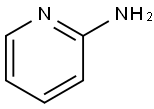
    InChI 1S/C5H6N2/c6-5-3-1-2-4-7-5/h1-4H,(H2,6,7)
    InChIKey ICSNLGPSRYBMBD-UHFFFAOYSA-N
    SMILES Nc1ccccn1
    LogP 0.53
    CAS DataBase Reference 504-29-0(CAS DataBase Reference)
    NIST Chemistry Reference 2-Pyridinamine(504-29-0)
    EPA Substance Registry System 2-Aminopyridine (504-29-0)

    Safety Information
    Hazard Codes  T,Xi
    Risk Statements  21-25-36/37/38-23/24/25
    Safety Statements  26-36/37/39-45-38-28B
    OEB B
    OEL TWA: 0.5 ppm (2 mg/m3)
    RIDADR  UN 2671 (AMINOPYRIDINES (o-, m-, p,))
    WGK Germany  3
    RTECS  US1575000
    8-21
    Autoignition Temperature >630 °C
    Hazard Note  Toxic/Irritant
    TSCA  TSCA listed
    HazardClass  6.1
    PackingGroup  II
    HS Code  29333999
    Storage Class 6.1A - Combustible acute toxic Cat. 1 and 2
    very toxic hazardous materials
    Hazard Classifications Acute Tox. 3 Dermal
    Acute Tox. 3 Oral
    Aquatic Chronic 3
    Eye Dam. 1
    Skin Corr. 1A
    Hazardous Substances Data 504-29-0(Hazardous Substances Data)
    Toxicity LD50 orally in Rabbit: 200 mg/kg
    IDLH 5 ppm

    2-Aminopyridine Usage And Synthesis
    Chemical Properties 2-Aminopyridine is a yellow or white crystalline (sand-like) solid with a characteristic odor. It is soluble in water, alcohol, benzene, ether and hot petroleum ether. It tastes bitter and has anesthetic effect. It is a significant synthetic synthon, with unique dual nucleophilic structure. It can react with ketones, aldehydes, acids, multifunctional esters, halogenated aromatics and other compounds to synthesize five- and six-member azaheterocycles. after prolonged storage, may darken in color.
    Uses 2-Aminopyridine is used primarily in the pharmaceutical industry as an intermediate in chemical synthesis. It is used to manufacturing analgesic and anti-inflammatory drugs piroxicam and lornoxicam. 2-Aminopyridine is a basic building block of several heterocyclic compounds and Schiff bases. It has been shown to reversibly block voltage-dependent potassium channels, and is also a common impurity from the synthesis of compounds found in hair dyes. It is a derivatizing agent which can be used as a fluorescent label for oligosaccharide detection, chromatographic separation, fluorometric or mass spectrometric analysis. 2AP and its derivatives are good candidates for antimicrobial, anticorrosion and molecular sensing applications.
    Preparation 2-Aminopyridine is manufactured using the reaction of pyridine with sodium amide (Chichibabin amination). It is obtained in high yield after the hydrolysis of the intermediate salt (Merck, 2001; Shimizu et al., 1993).
    Application 2-Aminopyridine has also been used to derivatize sialyloligosaccharides for detection in FAB-MS. It can also be used:
    As a reactant in the synthesis of 3-aroylimidazopyridines from chalcones by aerobic oxidative amidation using copper acetate catalyst.
    In the synthesis of crystalline Cu(II) complex, di-μ-(2-aminopyridine(N,N′))-bis[(2,6 pyridinedicarboxylate)aquacopper(II)] tetrahydrate using 2,6-pyridinedicarboxylic acid and Cu(CH3COO)2.H2O.
    As an imprinting molecule for the preparation of poly(methacrylic acid–ethylene glycol dimethacrylate) polymer. It is packed in micro-column for selective solid phase extraction of 2-aminopyridine.
    As a reactant in the synthesis of 2-aryl-3-(pyridin-2-yl)-1,3-thiazolidin-4-ones in the presence of Lewis acid catalysts.
    As a reactant in the synthesis of 2-(2-aminopyridinium)acetyl starch with antioxidant property.
    Synthesis Reference(s) The Journal of Organic Chemistry, 72, p. 4554, 2007 DOI: 10.1021/jo070189y
    Tetrahedron Letters, 11, p. 3901, 1970
    General Description 2-aminopyridine appears as white powder or crystals or light brown solid. It is soluble in water and alcohol. It is toxic by ingestion and by inhalation of the dust. It is used to make pharmaceuticals and dyes. (NTP, 1992)
    Air & Water Reactions Decomposes in air. Soluble in water.
    Reactivity Profile 2-Aminopyridine neutralizes acids in exothermic reactions to form salts plus water. May be incompatible with isocyanates, halogenated organics, peroxides, phenols (acidic), epoxides, anhydrides, and acid halides. May generate hydrogen, a flammable gas, in combination with strong reducing agents such as hydrides. Reacts with oxidizing agents .
    Hazard Toxic.
    Health Hazard 2-Aminopyridine causes central nervous system effects.
    Fire Hazard 2-Aminopyridine is combustible.
    Biological Activity Aminopyridine 2 (1-((6-aminopyridin-3-yl)methyl)-3-(4-bromophenyl)urea) is an orally available, potent and selective irreversible inhibitor of myeloperoxidase (MPO) th at blocks vasomotor dysfunction in r at aortic rings. Aminopyridine 2 inhibits myeloperoxidase in a mouse model of peritonitis.
    Safety Profile Poison by ingestion, inhalation, subcutaneous, intravenous, and intraperitoneal routes. Toxic effects resemble strychnine poisoning. Human systemic effects by inhalation: somnolence, convulsions, and antipsychotic effects. Human central nervous system effects by inhalation. When heated to decomposition it emits highly toxic fumes of NOx,.
    Potential Exposure 2-Aminopyridine is used in the manufacture of pharmaceuticals; especially antihistamines.
    Carcinogenicity The LD50 in mice by intraperitoneal injection was 35 mg/kg; lethal doses in animals also produced excitement, tremors, convulsions and tetany.1 Fatal doses were readily absorbed through the skin. A 0.2 M aqueous solution dropped in a rabbit’s eye was only mildly irritating.
    2-Aminopyridine was not mutagenic in a variety of Salmonella tester strains with or without metabolic activation.
    Environmental fate Soil. When radio-labeled 4-aminopyridine was incubated in moist soils (50%) under aerobic conditions at 30 °C, the amount of 14CO2 released from an acidic loam (pH 4.1) and an alkaline, loamy sand (pH 7.8) was 0.4 and 50%, respectively (Starr and Cunningham, 1975).
    Chemical/Physical. Releases toxic nitrogen oxides when heated to decomposition (Sax and Lewis, 1987).
    Shipping UN2671 Aminopyridines, Hazard Class: 6.1; Labels: 6.1-Poisonous materials.
    Purification Methods It crystallises from *benzene/pet ether (b 40-60o) or CHCl3 /pet ether. [Beilstein 22/8 V 280.]
    Incompatibilities Incompatible with oxidizers (chlorates, nitrates, peroxides, permanganates, perchlorates, chlorine, bromine, fluorine, etc.); contact may cause fires or explosions. Keep away from alkaline materials, strong bases, strong acids, oxoacids, epoxides
    Waste Disposal Incineration with nitrogen oxides removal from effluent gas.
    References [1] RAO R N, CHANDA K. 2-Aminopyridine – an unsung hero in drug discovery[J]. Chemical Communications, 2021, 3: 343-382. DOI:10.1039/D1CC04602K.
    [2] D. M. BYSTROV  L. L F. Reactivity of 2-aminopyridine N-oxides[J]. Russian Chemical Bulletin, 2024, 73 1: 33-52. DOI:10.1007/s11172-024-4120-2.
    [3] KUMPINA I, BASKEVICS V, WALBY G D, et al. Synthesis of 2-Aminopyridine-Modified Peptide Nucleic Acids[J]. Synlett, 2023, 25 1: 0. DOI:10.1055/a-2191-5774.
    [4] MEHMET TüMER. Antimicrobial activity studies of the binuclear metal complexes derived from tridentate Schiff base ligands[J]. Transition Metal Chemistry, 1999, 24 4: 414-420. DOI:10.1023/A:1006973823926.


    Shop Semaglutide 910463-68-2C187H291N45O59-Detailed Image 3 Shop Semaglutide 910463-68-2C187H291N45O59-Detailed Image 4 Shop Semaglutide 910463-68-2C187H291N45O59-Detailed Image 5 Shop Semaglutide 910463-68-2C187H291N45O59-Detailed Image 6 Shop Semaglutide 910463-68-2C187H291N45O59-Detailed Image 7 Shop Semaglutide 910463-68-2C187H291N45O59-Detailed Image 8


    Basic Info
    Product Name:

    2-Aminopyridine

    Other Name:

    2-Pyridinamine;Pyridine,2-amino-;o-Aminopyridine;α-Aminopyridine;2-Aminopyridine;1,2-Dihydro-2-iminopyridine;2-Pyridylamine;α-Pyridinamine;α-Pyridylamine;2-Pyridinylamine;NSC 431;29212-31-5;45505-67-7;102769-74-4;2222571-76-6

    CAS No.:

    504-29-0

    Molecular Formula:

    C5H6N2

    InChIKeys:

    InChIKey=ICSNLGPSRYBMBD-UHFFFAOYSA-N

    Molecular Weight:

    94.11

    Exact Mass:

    94.11

    BRN:

    105785

    EC Number:

    207-988-4

    UNII:

    WSX981HEWU

    ICSC Number:

    0214

    NSC Number:

    431

    UN Number:

    2671

    DSSTox ID:

    DTXSID0024505

    Color/Form:

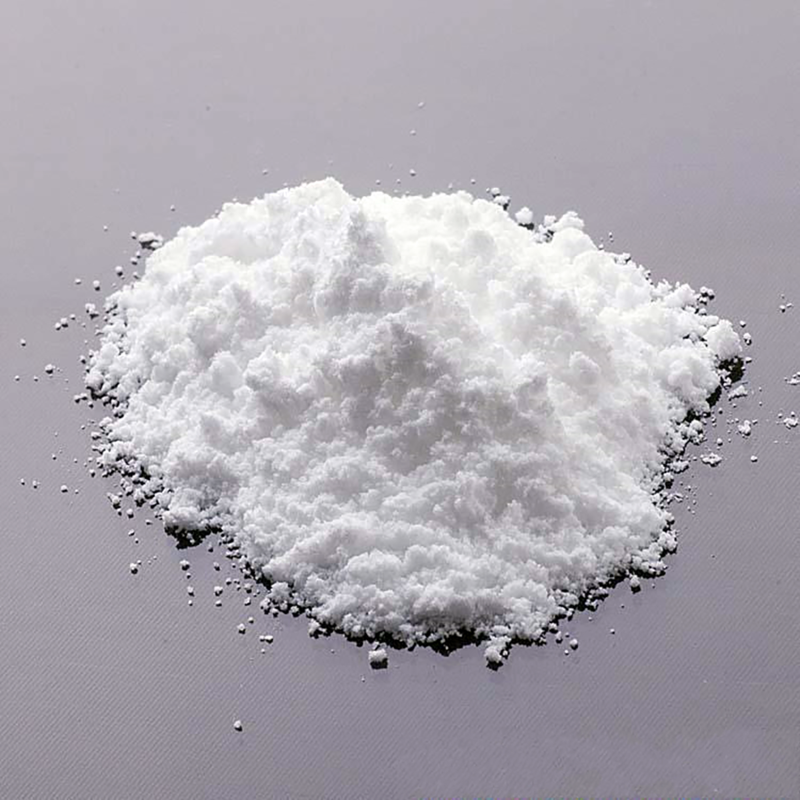
    White leaflets or large colorless crystals|WHITE POWDER OR CRYSTALS|White powder, leaflets, or crystals.|Leaflets, or large crystals

    HScode:

    29333999

    Characteristics
    PSA:

    38.9

    XLogP3:

    0.5

    Appearance:

    Cream to light yellow-beige Crystalline Powder, Crystals or Flakes

    Density:

    1.065 g/cm3 @ Temp: 20 °C

    Melting Point:

    58.1 °C

    Boiling Point:

    210.6 °C

    Flash Point:

    198 °F

    Refractive Index:

    1.56552 (65ºC)

    Water Solubility:

    H2O: Slightly soluble . 1-5 g/100 mL at 19 ºC

    Storage Conditions:

    Refrigerator, Under Inert Atmosphere

    Vapor Pressure:

    5 hPa (125 °C)

    Vapor Density:

    Relative vapour density (air = 1): 3.2

    Toxicity:

    Oral-rat LD50: 200 mg/kg; Oral-Mouse LD50: 145 mg/kg

    Flammability characteristics:

    Open flame is flammable; high heat decomposes toxic nitrogen oxide gas

    Odor:

    Characteristic odor

    PH:

    BASE

    Dissociation Constants:

    pKa 6.82 @ 20 °C; Ka 1.51x10⁻⁷ @ 20 °C|pKa= 6.86 @ 20 °C|pKa= 6.9 @ 20 °C

    Experimental Properties:

    Exists as a tautomeric amino and imino forms. Amino form predominates over imino form; ratio 1000:1

    Air and Water Reactions:

    Decomposes in air. Soluble in water.|Soluble in water.

    Reactive Group:

    Amines, Phosphines, and Pyridines

    Reactivity Profile:

    2-AMINOPYRIDINE neutralizes acids in exothermic reactions to form salts plus water. May be incompatible with isocyanates, halogenated organics, peroxides, phenols (acidic), epoxides, anhydrides, and acid halides. May generate hydrogen, a flammable gas, in combination with strong reducing agents such as hydrides. Reacts with oxidizing agents (NTP, 1992).|AMINOPYRIDINES are amines. Highly toxic, may cause epilepsy-like convulsions, toxic effects resemble strychnine poisoning. When heated to decomposition (over 200° C), it emits highly toxic fumes of oxides of nitrogen [Sax, 9th ed., p. 193].

    Ionization Potential:

    8.00 eV

    Flammable Limits:

    Combustible Solid

    Physical Dangers:

    Dust explosion possible if in powder or granular form, mixed with air.

    Hazard Identification

    Classification of the substance or mixture

    Acute toxicity - Category 3, Oral

    Acute toxicity - Category 3, Dermal

    Skin corrosion, Category 1

    Serious eye damage, Category 1

    Hazardous to the aquatic environment, long-term (Chronic) - Category Chronic 3

    GHS label elements, including precautionary statements

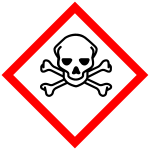
    Pictogram(s)

    Signal word

    Danger

    Hazard statement(s)

    H301 Toxic if swallowed

    H311 Toxic in contact with skin

    H314 Causes severe skin burns and eye damage

    H412 Harmful to aquatic life with long lasting effects

    Precautionary statement(s)
    Prevention

    P264 Wash ... thoroughly after handling.

    P270 Do not eat, drink or smoke when using this product.

    P280 Wear protective gloves/protective clothing/eye protection/face protection/hearing protection/...

    P260 Do not breathe dust/fume/gas/mist/vapours/spray.

    P273 Avoid release to the environment.

    Response

    P301+P316 IF SWALLOWED: Get emergency medical help immediately.

    P321 Specific treatment (see ... on this label).

    P330 Rinse mouth.

    P302+P352 IF ON SKIN: Wash with plenty of water/...

    P316 Get emergency medical help immediately.

    P361+P364 Take off immediately all contaminated clothing and wash it before reuse.

    P301+P330+P331 IF SWALLOWED: Rinse mouth. Do NOT induce vomiting.

    P363 Wash contaminated clothing before reuse.

    P304+P340 IF INHALED: Remove person to fresh air and keep comfortable for breathing.

    P305+P351+P338 IF IN EYES: Rinse cautiously with water for several minutes. Remove contact lenses, if present and easy to do. Continue rinsing.

    P305+P354+P338 IF IN EYES: Immediately rinse with water for several minutes. Remove contact lenses, if present and easy to do. Continue rinsing.

    P317 Get medical help.

    Storage

    P405 Store locked up.

    Disposal

    P501 Dispose of contents/container to an appropriate treatment and disposal facility in accordance with applicable laws and regulations, and product characteristics at time of disposal.

    Other hazards which do not result in classification

    no data available

    Handling and Storage

    Precautions for safe handling

    NO open flames. Closed system, dust explosion-proof electrical equipment and lighting. Prevent deposition of dust. Handling in a well ventilated place. Wear suitable protective clothing. Avoid contact with skin and eyes. Avoid formation of dust and aerosols. Use non-sparking tools. Prevent fire caused by electrostatic discharge steam.

    Conditions for safe storage, including any incompatibilities

    Separated from food and feedstuffs, strong oxidants and strong acids.IN GENERAL MATERIALS ... TOXIC AS STORED OR WHICH CAN DECOMP INTO TOXIC COMPONENTS ... SHOULD BE STORED IN COOL, WELL-VENTILATED PLACE, OUT OF ... SUN, AWAY FROM AREAS OF HIGH FIRE HAZARD, & SHOULD BE PERIODICALLY INSPECTED & MONITORED. INCOMPATIBLE MATERIALS SHOULD BE ISOLATED.

  • Seller Information
    Business Type:

    Trader

    Main Products:

    pharmaceutical intermediates,peptides,electronic chemicals

    Location:

    Room 102, 1st Floor, East Office Building, No. 45 Pengwan Road, Qianwan Bonded Port Area, Qingdao Zone, China (Shandong) Pilot Free Trade Zone

    Payment Terms:

    100% TT in advance

    Average lead Time:

    10

    Total Annual Revenue:

    $10 million-$25 million

    Total Employees:

    51-100

    Year of Establishment:

    2024

    A reliable supplier is like insurance.

    We are mainly specilized in supply of pharmaceutical intermediates, electronic chemicals,food additives, and other fine chemical products.
    Integrity is the foundation, quality is life. We would like to work together with you to build a greener and brighter future.

    Website: orientchem.cc
    Email: scarlett@orientchem.cc
    WhatsApp: +86 17753254221

  • Inquiry History
    2 Inquiries
    Country Product Purchase Quantity Date Posted
    India

    2-Aminopyridine

    100 KG Sep 10, 2024
    India

    2-Amino pyridine

    1 KG Sep 26, 2023
    Post an enquiry for this product
pic ×

Scan the QR Code to Share

All products displayed on this website are only for non-medical purposes such as industrial applications or scientific research, and cannot be used for clinical diagnosis or treatment of humans or animals. They are not medicinal or edible.

According to relevant laws and regulations and the regulations of this website, units or individuals who purchase hazardous materials should obtain valid qualifications and qualification conditions.

The information shown above is provided by the enterprise itself, and the authenticity, accuracy and legitimacy of the content are the responsibility of the publishing company. ECHEMI does not bear any guarantee responsibility for this. Please be aware that risks in internet transactions objectively exist.

Feedback & Suggestions
Send Message

Thank you for your feedback. If you require further assistance, please contact us by email at info@echemi.com or call us at +86-532-55729510.