Maleic anhydride Basic information
Product Name: Maleic anhydride
Synonyms: TOXILIC ANHYDRIDE;2,5-FURANDIONE;ANHYDRIDE MALEIC;MALIEC ANHYDRIDE;MALEIC ANHYDRIDE, POWDER, 95%;MALEIC ANHYDRIDE 99.5%;MALEIC ANHYDRIDE 98+%;MaleicAnhydride>97%
CAS: 108-31-6
MF: C4H2O3
MW: 98.06
EINECS: 203-571-6
Product Categories: Miscellaneous;Organics;Building Blocks;Heterocycles;Intermediates & Fine Chemicals;Pharmaceuticals;Carbonyl Compounds;Carboxylic Acid Anhydrides;Chemical Synthesis;Organic Building Blocks;108-31-6
Mol File: 108-31-6.mol
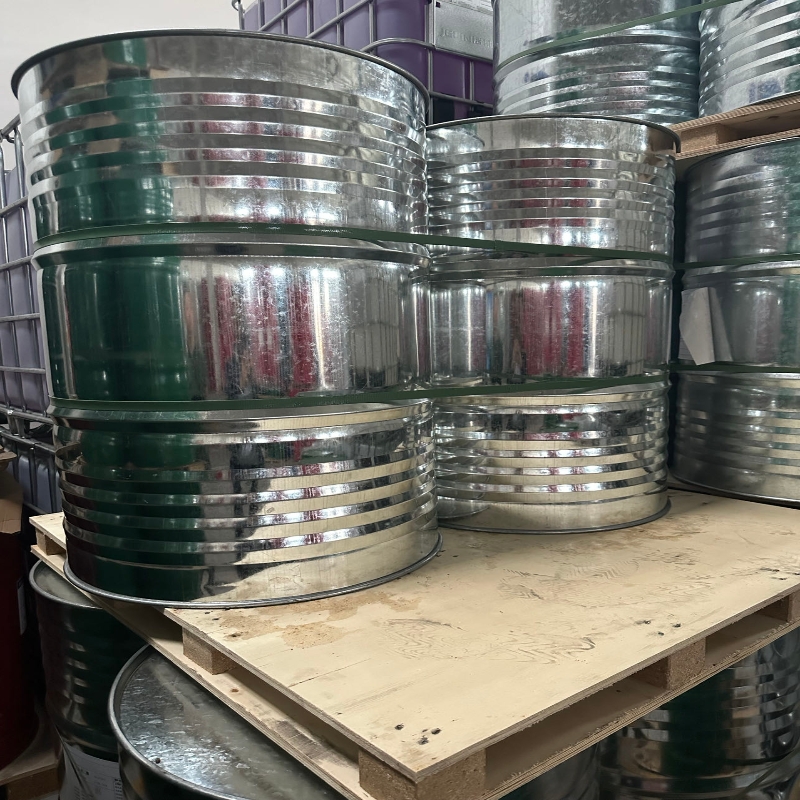
Shop Maleic anhydride108-31-6-Detailed Image 1
Maleic anhydride Chemical Properties
Melting point 51-56 °C (lit.)
Boiling point 200 °C (lit.)
bulk density 700-800kg/m3
density 1.48
vapor density 3.4 (vs air)
vapor pressure 0.16 mm Hg ( 20 °C)
refractive index 1.4688 (estimate)
Fp 218 °F
storage temp. Store below +30°C.
solubility Chloroform (Slightly), Ethyl Acetate (Slightly)
form powder
pka 0[at 20 ℃]
color White
Odor Mild acrid odor.
PH 0.8 (550g/l, H2O, 20℃)Hydrolysis
explosive limit 1.4-7.1%(V)
Water Solubility 79 g/100 mL (25 ºC)
Sensitive Moisture Sensitive
Merck 14,5704
BRN 106909
Henry's Law Constant (atmm3/mol): Not applicable - reacts with water
Exposure limits ACGIH:TLV-TWA 0.01 mg/m3 (0.0025 ppm),Inhalable fraction and vapor Dermal Sensitizer (DSEN) and Respiratory Sensitizer (RSEN) A4 — Not Classifiable as a Human Carcinogen
OSHA:PEL-TWA 0.25 ppm (1 mg/m3)
NIOSH:REL-TWA 1 mg/m3
Dielectric constant 51.0(60℃)
Stability: Stable. Combustible. Incompatible with water, strong oxidizing agents, alkali metals, strong bases, amines, most common metals, polymerization catalysts and accelerators.
Cosmetics Ingredients Functions FILM FORMING
InChI 1S/C4H2O3/c5-3-1-2-4(6)7-3/h1-2H
InChIKey FPYJFEHAWHCUMM-UHFFFAOYSA-N
SMILES O=C1OC(=O)C=C1
LogP -2.61 at 20℃
CAS DataBase Reference 108-31-6(CAS DataBase Reference)
NIST Chemistry Reference 2,5-Furandione(108-31-6)
EPA Substance Registry System Maleic anhydride (108-31-6)
Safety Information
Hazard Codes C
Risk Statements 22-34-42/43
Safety Statements 22-26-36/37/39-45
RIDADR UN 2215 8/PG III (MALEIC ANHYDRIDE)
RIDADR UN 2215 8/PG III (MALEIC ANHYDRIDE, MOLTEN)
OEB C
OEL TWA: 1 mg/m3 (0.25 ppm)
WGK Germany 1
RTECS ON3675000
F 21
Autoignition Temperature 870 °F
TSCA TSCA listed
HS Code 2917 14 00
HazardClass 8
PackingGroup III
Storage Class 6.1D - Non-combustible acute toxic Cat.3
toxic hazardous materials or hazardous materials causing chronic effects
Hazard Classifications Acute Tox. 4 Oral
Eye Dam. 1
Resp. Sens. 1
Skin Corr. 1B
Skin Sens. 1A
STOT RE 1 Inhalation
Hazardous Substances Data 108-31-6(Hazardous Substances Data)
Toxicity LD50 orally in Rabbit: 1090 mg/kg LD50 dermal Rabbit 2620 mg/kg
IDLH 10 mg/m3
MSDS Information
Provider Language
ACROS English
SigmaAldrich English
ALFA English
Maleic anhydride Usage And Synthesis
Description Maleic Anhydride (MAN) is an organic compound with the chemical formula C4H203. It is the acid anhydride of maleic acid and in its pure state it is a colourless or white solid with an acrid odour. Maleic anhydride is truly a remarkable molecule in that it possesses two types of chemical functionality making it uniquely useful in chemical synthesis and applications.
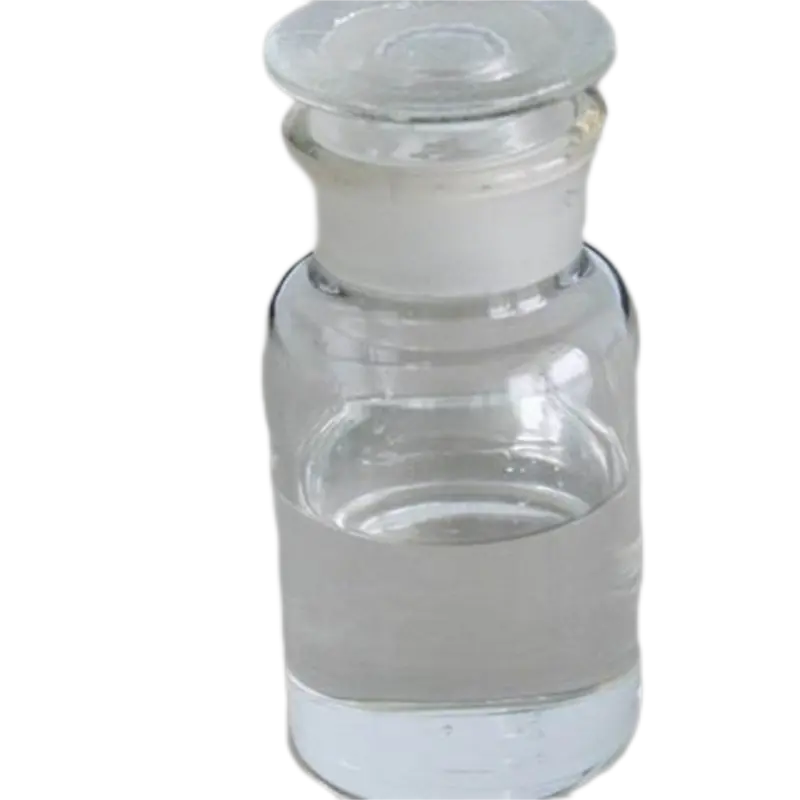
Shop Maleic anhydride108-31-6-Detailed Image 2
Maleic Anhydride is a multifunctional chemical intermediate with applications in several fields of chemical industry. Its major end use is as feedstock in the production of unsaturated polyester resins (UPR).
These resins are used both in glass-reinforced and in unreinforced applications. The UPR end uses includes a wide range of applications in construction, marine and automobile industries.
Chemical Properties Maleic anhydride is colorless needles, white lumps, or pellets. Irritating, choking odor. Dissolves in water to produce maleic acid. Dissolves in ethanol and produces esters.
Physical properties White, hydroscopic crystals (usually shipped as briquettes). Odor threshold concentration is 0.32 ppm (quoted, Amoore and Hautala, 1983).
Uses Maleic Anhydride is heterocyclic compound used in the manufacture of unsaturated polyester resins. It has a wide range of other applications; it is used in synthetic tensides, insecticides, herbicides and fungicides.
Uses Maleic anhydride is used in Diels-Alder syntheses (as a dienophile), manufacture of alkyd-type of resins, dye intermediates, pharmaceuticals, agricultural chemicals (maleic hydrazide, malathion), in copolymerization reactions.
Definition ChEBI: Maleic anhydride is a cyclic dicarboxylic anhydride that is the cyclic anhydride of maleic acid. It has a role as an allergen. It is a cyclic dicarboxylic anhydride and a member of furans.
Production Methods Maleic anhydride was traditionally manufactured by the oxidation of benzene or other aromatic compounds. As of 2006, only a few smaller plants continue to use benzene; due to rising benzene prices, most maleic anhydride plants now use n-butane as a feedstock.
In both cases, benzene and butane are fed into a stream of hot air, and the mixture is passed through a catalyst bed at high temperature. The ratio of air to hydrocarbon is controlled to prevent the mixture from catching on fire. Vanadium pentoxide and molybdenum trioxide are the catalysts used for the benzene route, whereas vanadium and phosphorus oxides are used for the butane route.
2 CH3CH2CH2CH3 + 7 O2 → 2 C2H2(CO)2O + 8 H2O.
Preparation To a flask equipped with a Dean-Stark trap, condenser, and mechanical stirrer is added 116 gm (1.0 mole) of maleic acid and 120 ml of tetrachloroethane. The contents are heated, the water (18 ml, 1.0 mole) distilled off as the azeotrope, and the residue distilled under reduced pressure to afford 87.7 gm (89.5%) of the anhydride, b.p. 82-84°C (15 mm), m.p. 53°C. The residue remaining in the flask consists of about 10 gm of fumaric acid, m.p. 287°C.
Fumaric and maleic acids both give maleic anhydride on heating. Fumaric acid must first be heated to a higher temperature to effect its conversion to maleic acid prior to its dehydration.
Shop Maleic anhydride108-31-6-Detailed Image 3
Application Delignified wood esterified by Maleic anhydride (MA) exhibits higher charge content, superior mass gain, efficient recycling capability of the reaction medium (MA could be recycled five times, while TEMPO cannot be recycled), and integrity of the final products (retaining intact geometry vs. complete disintegration) compared to TEMPO-oxidized delignified wood (TEMPO-DW). The esterification method mediated by MA provides an eco-friendly pathway for modifying wood, serving as a platform for creating diverse materials, potentially offering innovative concepts and insights for wood modification research[1].
Reactions The chemistry of maleic anhydride is very rich, reflecting its ready availability and bifunctional reactivity. It hydrolyzes, producing maleic acid, cis-HOOC–CH=CH–COOH. With alcohols, the halfester is generated, e.g., cis-HOOC–CH=CH–COOCH3.
Maleic anhydride is a potent dienophile in Diels-Alder reactions. It is also a ligand for low-valent metal complexes, examples being Pt(PPh3)2(MA) and Fe(CO)4(MA).
Maleic anhydride dimerizes in a photochemical reaction to form cyclo butane tetra carboxylic dianhydride (CBTA). This compound is used in the production of polyimides and as an alignment film for liquid crystal displays.
Biosynthesis In a recent research, n-butane and/or benzene were replaced with biorenewable furfural as feedstock for maleic anhydride[2].
Shop Maleic anhydride108-31-6-Detailed Image 4
Synthesis Reference(s) The Journal of Organic Chemistry, 60, p. 6676, 1995 DOI: 10.1021/jo00126a013
General Description Colorless crystalline needles, flakes, pellets, rods, briquettes, lumps or a fused mass. Melts at 113°F. Shipped both as a solid and in the molten state. Vapors, fumes and dusts strong irritate the eyes, skin and mucous membranes. Flash point 218°F. Autoignition temperature 890°F. Used to make paints and plastics and other chemicals.
Air & Water Reactions Soluble in water. Reacts slowly with water to form maleic acid and heat.
Reactivity Profile Maleic anhydride react vigorously on contact with oxidizing materials. Reacts exothermically with water or steam. Undergoes violent exothermic decomposition reactions, producing carbon dioxide, in the presence of strong bases (sodium hydroxide, potassium hydroxide, calcium hydroxide), alkali metals (lithium, sodium, potassium), aliphatic amines (dimethylamine, trimethylamine), aromatic amines (pyridine, quinoline) at temperatures above 150° C [Vogler, C. A. et al., J. Chem. Eng. Data, 1963, 8, p. 620]. A 0.1% solution of pyridine (or other tertiary amine) in Maleic anhydride at 185°C gives an exothermic decomposition with rapid evolution of gas [Chem Eng. News 42(8); 41 1964]. Maleic anhydride is known as an excellent dienophile in the Diels-Alder reaction to produce phthalate ester derivatives. These reactions can be extremely violent, as in the case of 1-methylsilacyclopentadiene [J. Organomet., Chem., 1979, 179, c19]. Maleic anhydride undergoes a potentially explosive exothermic Diels-Alder reaction with 1-methylsilacyclopenta-2,4-diene at 150C [Barton, T. J., J. Organomet. Chem., 1979, 179, C19], and is considered an excellent dieneophile for Diels-alder reactions [Felthouse, Timothy R. et al. "Maleic anhydride , Maleic Acid, and Fumaric Acid." Kirk-Othmer Encyclopedia of Chemical Technology. John Wiley & Sons, Inc. 2005].
Hazard Irritant to tissue. Dermal and respiratory sensitization. Questionable carcinogen.
Health Hazard Inhalation causes coughing, sneezing, throat irritation. Skin contact causes irritation and redness. Vapors cause severe eye irritation; photophobia and double vision may occur.
Fire Hazard Behavior in Fire: When heated above 300°F in the presence of various materials may generate heat and carbon dioxide. Will explode if confined.
Flammability and Explosibility Non flammable
Safety Profile Poison by ingestion and intraperitoneal routes. Moderately toxic by skin contact. A corrosive irritant to eyes, skin, and mucous membranes. Can cause pulmonary edema. Questionable carcinogen with experimental tumorigenic data. Mutation data reported. A pesticide. Combustible when exposed to heat or flame; can react vigorously on contact with oxidizing materials. Explosive in the form of vapor when exposed to heat or flame. Reacts with water or steam to produce heat. Violent reaction with bases (e.g., sodmm hydroxide, potassium hydroxide, calcium hydroxide), dkah metals (e.g., sodium, potassium), amines (e.g., dimethylamine, triethylamine), lithium, pyridine. To fight fire, use alcohol foam. Incompatible with cations. When heated to decomposition (above 150℃) it emits acrid smoke and irritating fumes. See also ANHYDRIDES.
Potential Exposure Maleic anhydride is used in unsaturated polyester resins; Agricultural chemical, and lubricating additives; in the manufacture of unsaturated polyester resins; in the manufacture of fumaric acid; in alkyd resin manufacture; in the manufacture of pesticides e.g., malathion, maleic hydrazide, and captan).
First aid If this chemical gets into the eyes, remove anycontact lenses at once and irrigate immediately for at least15 min, occasionally lifting upper and lower lids. Seek medical attention immediately. If this chemical contacts theskin, remove contaminated clothing and wash immediatelywith soap and water. Seek medical attention immediately. Ifthis chemical has been inhaled, remove from exposure,begin rescue breathing (using universal precautions,including resuscitation mask) if breathing has stopped andCPR if heart action has stopped. Transfer promptly to amedical facility. When this chemical has been swallowed,get medical attention. If victim is conscious, administerwater or milk. Do not induce vomiting. The symptoms ofasthma may be delayed for several hours and are aggravatedby physical effort. Rest and medical observation are highlyrecommended. Medical observation is recommended for24°48 h after breathing overexposure, as pulmonary edemamay be delayed. As first aid for pulmonary edema, a doctoror authorized paramedic may consider administering a corticosteroid spray.
storage Color Code—White: Corrosive or Contact Hazard;Store separately in a corrosion-resistant location. Maleicanhydride must be stored to avoid contact with water andstrong oxidizers (such as chlorine and bromine), since violent reactions occur. Before entering confined space wherethis chemical may be present, check to make sure that anexplosive concentration does not exist. Sources of ignition,such as smoking and open flames, are prohibited where thischemical is handled, used, or stored. Metal containersinvolving the transfer of 5 gallons or more of this chemical should be grounded and bonded. Drums must be equippedwith self-closing valves, pressure vacuum bungs, and flamearresters. Use only nonsparking tools and equipment, especially when opening and closing containers of this chemical. Wherever this chemical is used, handled, manufactured,or stored, use explosion-proof electrical equipment andfittings.
Shipping UN2215 Maleic anhydride, Hazard class: 8; Labels: 8-Corrosive material.
Maleic Anhydride is commercialized and transported in the solid and molten forms. The molten Maleic Anhydride is transported at temperatures ranging from 60 to 80°C in well-insulated tank containers or road tankers provided with heating devices. In the solid form, it can be transported as pastilles, which are usually packed in polyethylene bags of 25 kg and transported either by rail tanker or by truck.
Purification Methods Crystallise it from *benzene, CHCl3, CH2Cl2 or CCl4. Sublime it under reduced pressure. [Skell et al. J Am Chem Soc 108 6300 1986, Beilstein 17 III/IV 5897, 17/11 V 55.]
Toxicity evaluation Maleic anhydride was described as having anticarcinogenic properties, and some of the maleic copolymers can have biologic activity by themselves, especially antitumor activity. Information related to this compound is contradictory. Chromosomal aberrations in cultured hamster cells but no mutagenicity in in vitro tests in bacteria have been reported. No effects on cholinesterase activity have been described after exposure to maleic anhydride.
Incompatibilities Reacts slowly with water (hydrolyzes) to form maleic acid, a medium-strong acid. Dust may form explosive mixture with air. Reacts with strong oxidizers, oil, water, alkali metals; strong acids; strong bases. Violent reaction with alkali metals and amines above 66�C. Dangerous reaction with oxidizers, amines, alkali metals, and hydroxides. Compounds of the carboxyl group react with all bases, both inorganic and organic (i.e., amines) releasing substantial heat, water and a salt that may be harmful. Incompatible with arsenic compounds (releases hydrogen cyanide gas), diazo compounds, dithiocarbamates, isocyanates, mercaptans, nitrides, and sulfides (releasing heat, toxic, and possibly flammable gases), thiosulfates and dithionites (releasing hydrogen sulfate and oxides of sulfur)
Toxics Screening Level The Initial Threshold Screening Level (ITSL) for maleic anhydride is 0.1 μg/m3 (8-hr averaging time).
Waste Disposal Consult with environmental regulatory agencies for guidance on acceptable disposal practices. Generators of waste containing this contaminant (≥100 kg/mo) must conform to EPA regulations governing storage, transportation, treatment, and waste disposal. Controlled incineration: care must be taken that complete oxidation to nontoxic products occurs.
References [1] Fu, M., Cao, Z., Sun, R., Wen, X., Wang, Y., Li, K., Li, Q. (2023). Maleic anhydride promotes humus formation via inducing functional enzymes response in composting. Bioresource Technology, 380, Article 129125. https://doi.org/10.1016/j.biortech.2023.129125
[2] Mortier, J., Stevens, C. V., Heugebaert, T. S. A. (2025). Efficient continuous flow oxidation of furfural to maleic anhydride using O2 as a green oxidant. Green Chemistry, 27 18, Pages 5063-5072. https://doi.org/10.1039/d4gc06305h
Maleic anhydride Preparation Products And Raw materials
Raw materials Benzene-->Xylene-->1-Pentanol-->n-Butane-->Liquefied petroleum ges
Preparation Products n-Butyl fumarate-->emulsion waterproof agent-->DL-Malic acid-->Diallyl maleate-->Water soluble epoxy resin-->4-MALEIMIDOBUTYRIC ACID-->Dispersing rosin latex-->Fumaronitrile-->Di-(2-Ethylhexyl)4,5-Epoxytetrahydrophthalate-->SULFACHLOROPYRIDAZINE-->Chrysene-->Acipimox-->PR-I retanning agent-->maleic acid-vinyl acetate copolymer-->3-HYDROXY-1-PHENYL-6-PYRIDAZONE-->Pyridaphenthion-->tou-ming oil-->antistatic finish agent for synthetic fiber-->neutral size-ASA-->Dioctyl maleate-->maleic anhydride-benzylethylene sulfonated acid copolyer-->Water-soluble resin-->N-Ethylmaleimide-->Dioctyl(maleate)tin-->DL-Asparagine monohydrate-->Dodecenylsuccinic anhydride-->PYRIDAZINE-3,6-DIOL-->disodium 4-[2-[(1-oxoundec-10-enyl)amino]ethyl] 2-sulphonatosuccinate-->Dibutyltin maleate-->Sizing agent for paper making-->Disodium succinate hexahydrate-->synthetic tanning agent DLT-14-->Carbic anhydride-->EXO-3,6-EPOXY-1,2,3,6-TETRAHYDROPHTHALIC ANHYDRIDE-->synthetic tanning agent KS-1-->maleic anhydride-arcylic acid copolymer-->Methyl tetrahydrophthalic anhydride-->Tetrahydro-4,7-epoxyisobenzofuran-1,3-dione-->3-BENZOYLACRYLIC ACID-->Bismaleimide










 Japan
Japan
 India
India
 United States
 Egypt
Egypt
 Colombia
 Pakistan
 Turkey
 United Kingdom
 Austria
 Qatar
Qatar
 Malaysia