




Food Additives
Get Food Additives Raw Materials by RegionFood Additives
- • Coating Agent (19)
- • Preservative (33)
- • Coloring Agent (40)
- • Gum Base Agent (25)
- • Anticaking Agent (7)
- • Food Antioxidants (41)
- • Enzyme (49)
- • Flour Treatment Agent (4)
- • Leavening Agent (1)
- • Bleach (3)
- • Other Food Additives (92)
- • Emulsifier (25)
- • Food Flavorings (30)
- • Water Retention Agent (1)
- • Acidity Regulators (6)
- • Sweeteners (36)
- • Stabilizer and Coagulants (4)
- • Defoamers (5)
- • Nutrition Supplements (171)
- • Thickener (30)
- • Odorants (29)
- • Colorant (16)


Related Products Price


Food Additives Featured Categories
Food Additives Suppliers
Butyl butyryllactate
CAS No: 7492-70-8
Formula: C11H20O4
Categories: Food Additives > Perfuming


Calcium caseinates
CAS No: 9005-43-0
Categories: Food Additives > Hair Conditioning


Hydroxypropyl starch
CAS No: 9049-76-7
Formula: C3H8O2.xUnspecified
Categories: Food Additives > Viscosity Controlling
-

Pregelatinized acetylated distarch adipate CAS no: 9049-76-7
Inquiry -

100000 viscosity MHEC chemical manufacturer hydroxyethyl methyl cellulose 99.9% white powder
Inquiry -

100% Safe customs clearance high quality Hydroxypropyl starch CAS 9049-76-7 with Best Price
Inquiry -

Pregelatinized acetylated distarch adipate
Inquiry


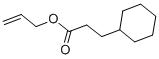
Allyl cyclohexanepropionate
CAS No: 2705-87-5
Formula: C12H20O2
Categories: Food Additives > Perfuming
-

High Quality 98% Purity of CAS 2705-87-5 ISO 9001:2005 REACH Verified Producer
Inquiry -

China Largest Manufacturer Supply High Purity Allyl cyclohexylpropionate CAS 2705-87-5
Inquiry -

Allyl Cyclohexyl Propionate
Inquiry -

Food Grade Allyl Cyclohexylpropionate CAS 2705-87-5
Inquiry


Dextranase
CAS No: 9025-70-1
Categories: Food Additives > Enzyme



Fructooligosaccharides
CAS No: 308066-66-2
Categories: Food Additives > Sweeteners


-

EC 1.1.1.37
Inquiry -

Malate Dehydrogenase
$100/KG EXW
Inquiry -

China Largest Manufacturer Supply High Purity MALATE DEHYDROGENASE CAS 9001-64-3
Inquiry -

malate dehydrogenase
Inquiry



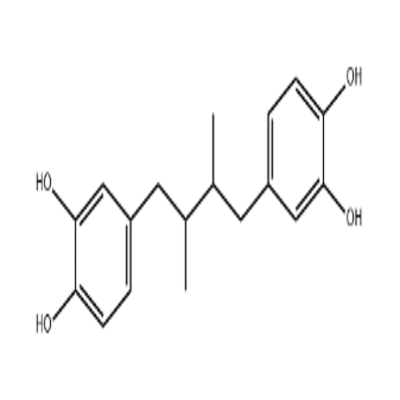
Nordihydroguaiaretic acid
CAS No: 500-38-9
Formula: C18H22O4
Categories: Food Additives > Antioxidant Ingredient
-

Nordihydroguaiaretic acid,CAS:500-38-9
$100-120/KG EXW
Inquiry -

Nordihydroguaiaretic Acid500-38-9
Inquiry -

Nordihydroguaiaretic acid
Inquiry -

Nordihydroguaiaretic acid 99% powder aly-500-38-9 lk
Inquiry


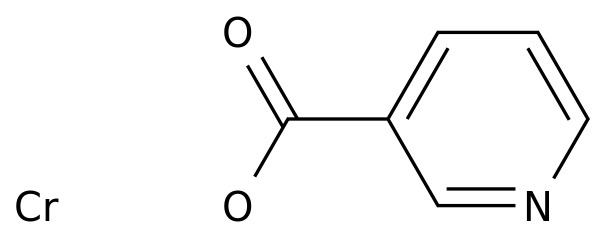
Chromium nicotinate
CAS No: 64452-96-6
Formula: C6H5NO2.1/3Cr
Categories: Food Additives > Other Food Additives
-

Chromium nicotinate RC02483
$1/KG EXW
Inquiry -

Top quality Chromium nicotinate powder cas 64452-96-6 food grade chromium polynicotinate
$40/KG EXW
Inquiry -
")
Chromium Nicotinate (high qualified)
$1-1.2/KG FOB
Inquiry -

Chromium nicotinate 98
Inquiry

alpha-d-Glucopyranoside, beta-d-fructofuranosyl, octadecanoate
CAS No: 37318-31-3
Formula: C30H56O12
Categories: Food Additives > Emulsifier
-

Sucrose fatty acid ester 99% White to Off-White solid Podwer Sucrose Esters Of Fatty Acids
Inquiry -

Sucrose Esters of Fatty Acid 98% powder Professional Producer Greenbo
Inquiry -

China Most Professional Factory Supply High Qulity Sucrose Fatty Acid Ester CAS 37318-31-3
Inquiry -

Sucrose Stearate,
Inquiry


787 Food Additives Suppliers
Short on time? Let Food Additives sellers contact you.
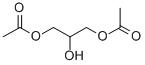
Glycerol diacetate
CAS No: 25395-31-7
Formula: C7H12O5
Categories: Food Additives > Dissolving Agent


Annato
CAS No: 1393-63-1
Formula:
Categories: Food Additives > Cosmetic Colorant



(6R,7R)-7-Amino-3-ethenyl-8-oxo-5-thia-1-azabicyclo[4.2.0]oct-2-ene-2-carboxylic acid
CAS No: 79349-82-9
Formula: C9H10N2O3S
Categories: Food Additives > Other Food Additives
-
79349-82-9")
7-Amino-3-vinyl-3 Cephalosporanic Acid (7-AVCA)79349-82-9
$50/ EXW
Inquiry -

7-AVCA
Inquiry -
 CAS 79349-82-9 High Purity Factory Direct, Good Quality Low Price, Fast Delivery & Excellent After")
7-AVCA (7-Amino-3-vinyl-3-cephem-4-carboxylic acid) CAS 79349-82-9 High Purity Factory Direct, Good Quality Low Price, Fast Delivery & Excellent After
Inquiry -

China Most Professional Factory Supply High Qulity 7-AVCA/7-amino-3-vinyl-3-cephalocyph-4-carboxylic acid CAS 79349-82-9
Inquiry


D-Lactic acid
CAS No: 10326-41-7
Formula: C3H6O3
Categories: Food Additives > Other Food Additives
-
-lactic acid CAS 10326-41-7")
China Most Professional Manufacturer Supply High Quality D(-)-lactic acid CAS 10326-41-7
Inquiry -
-Lactate")
(R)-Lactate
Inquiry -
-lactic acid human with Safe Delivery")
Factory direct sale D(-)-lactic acid human with Safe Delivery
Inquiry -
-Lactate")
(R)-Lactate
Inquiry


Dimethylbenzylcarbinyl acetate
CAS No: 151-05-3
Formula: C12H16O2
Categories: Food Additives > Perfuming
-

China Professional Factory Manufacturer Supply Hight Quality Dimethylbenzylcarbinyl acetate CAS 151-05-3
Inquiry -

Dimethyl Benzyl Carbinyl Acetate
Inquiry -

High Purity with Best Price Dimethylbenzylcarbinyl Acetate CAS 151-05-3
Inquiry -

Dimethylbenzylcarbinyl acetate 151-05-3
Inquiry


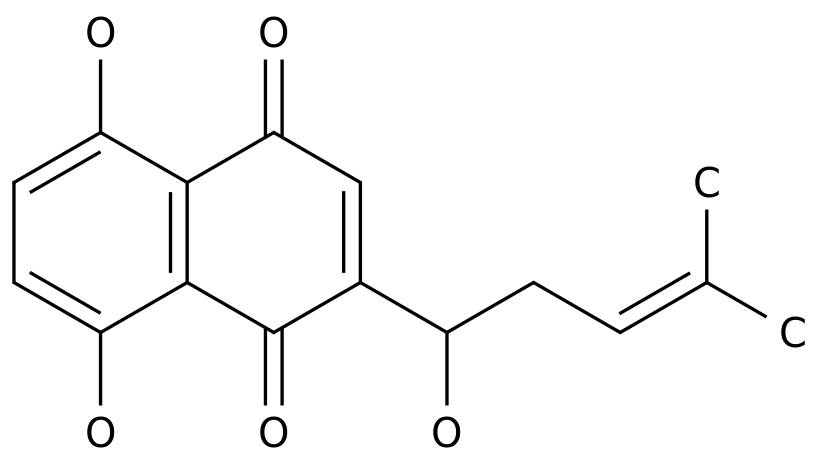
Shikonin
CAS No: 517-89-5
Formula: C16H16O5
Categories: Food Additives > Cosmetic Colorant



Sodium phytate
CAS No: 14306-25-3
Formula: C6H18O24P6.xNa
Categories: Food Additives > Oral Care
-

Factory Supply and Best Price Sodium Phytate Powder CAS 14306-25-3
Inquiry -

Sodium phytate RC07239
$1/KG EXW
Inquiry -

China Largest factory Manufacturer Supply High Qulity Sodium phytate CAS 14306-25-3
Inquiry -

ISO Certification Best Price Food Additive Sodium Phytate
$11.6/KG FOB
Inquiry


4-Ethoxyphenol
CAS No: 622-62-8
Formula: C8H10O2
Categories: Food Additives > Other Food Additives
-

4-Ethoxyphenol
Inquiry -

Professional factory direct supply high quality 99% purity 4-Ethoxyphenol
Inquiry -
 RC01893")
4-Ethoxyphenol(2OPO) RC01893
$1/KG EXW
Inquiry -

high quality 4-Ethoxyphenol 99% transparent liquid KANBEI
Inquiry


Sodium dehydroacetate
CAS No: 4418-26-2
Formula: C8H7O4.Na
Categories: Food Additives > Cosmetic Preservative
-

Sodium Dehydroacetate Food Additives Dehydroacetic Acid Sodium CAS No. 4418-26-2
Inquiry -

4418-26-2 Sodium dehydroacetate white powder
Inquiry -

Sodium Dehydroacetate
$3.02/KG EXW
Inquiry -

Sodium dehydroacetate-
Inquiry


Laccase
CAS No: 80498-15-3
Formula:
Categories: Food Additives > Oxidising
Most laccases are of fungal origin, but they also occur in bacteria, insects, and plants. Due to the broaMore
-

High Quality Big Discount Purity 99% Laccase CAS 80498-15-3 with Best Price
Inquiry -

Laccase, CAS:80498-15-3
$35-40/KG EXW
Inquiry -

Dideu Supply High Quality Pure Laccase
Inquiry -

Laccase
Inquiry


New Arrivals
Most Popular


People are searching
Food Additives Market
-
L-Ascorbic acid:
20.0Yuan/kg - -
Propionic acid:
5814.29Yuan/mt -
Frequently Asked Questions
When sourcing food additives you should verify: CAS number, purity or grade (e.g. food-grade, pharma-grade), safety documents such as COA and SDS, compliance with relevant regulatory standards (e.g. for your target market), and proper packaging and storage conditions. Ensuring supplier credibility and documentation completeness helps guarantee product safety and regulatory compliance.
Food producers often use additives to preserve freshness, inhibit spoilage by bacteria or mold, and extend shelf life. Additives can also enhance or stabilize flavor and aroma, improve or restore color and appearance, adjust texture or consistency, and in some cases fortify foods with essential nutrients such as vitamins or minerals.
Yes — due to differences in food safety regulations, some additives allowed in one region may be restricted or prohibited in another. For example:
Potassium bromate (E924) Titanium dioxide (E171) Brominated vegetable oil (BVO / E443) Azodicarbonamide (E927a) Propylparaben (E217)Because regulations differ by country and may change, buyers and manufacturers should always refer to local laws and regulatory agency guidelines before using or importing food additives.
Food additives are substances — either natural or synthetic — added to food during processing or preparation to improve qualities such as taste, texture, color, appearance, preservation, or nutritional value. They help maintain or enhance food quality and shelf-life under varying conditions.