




Food Additives
Get Food Additives Raw Materials by RegionFood Additives
- • Coating Agent (19)
- • Preservative (33)
- • Coloring Agent (40)
- • Gum Base Agent (25)
- • Anticaking Agent (7)
- • Food Antioxidants (41)
- • Enzyme (49)
- • Flour Treatment Agent (4)
- • Leavening Agent (1)
- • Bleach (3)
- • Other Food Additives (92)
- • Emulsifier (25)
- • Food Flavorings (30)
- • Water Retention Agent (1)
- • Acidity Regulators (6)
- • Sweeteners (36)
- • Stabilizer and Coagulants (4)
- • Defoamers (5)
- • Nutrition Supplements (171)
- • Thickener (30)
- • Odorants (29)
- • Colorant (16)


Related Products Price


Food Additives Featured Categories
Food Additives Suppliers
Neotame
CAS No: 165450-17-9
Formula: C20H30N2O5
Categories: Food Additives > Flavouring



Poly(vinyl acetate)
CAS No: 9003-20-7
Formula: (C4H6O2)x
Categories: Food Additives > Film Forming
Under alkaline conditions, boron compounds such as boric acid or borax cause the polymer to cross-link, forming tackifying precipitates or slime.More
-

Polyvinyl Acetate 9003-20-7
Inquiry -
")
POLY(VINYL ACETATE)
$0.1/KG EXW
Inquiry -
 99% solid Dideu")
POLY(VINYL ACETATE) 99% solid Dideu
Inquiry -
 with Good Price CAS 9003-20-7")
Hot Selling Poly (VINYL ACETATE) with Good Price CAS 9003-20-7
Inquiry



bee's wax
CAS No: 8012-89-3
Categories: Food Additives > Film Forming
-

beeswax White Granule or Lump
Inquiry -

BEESWAX 99%
Inquiry -

Microcrystalline wax 100% Slab
Inquiry -

Bee Propolis
Inquiry


Polydextrose
CAS No: 68424-04-4
Categories: Food Additives > Humectant


D(+)-2-Octanol
CAS No: 6169-06-8
Formula: C8H18O
Categories: Food Additives > Food Flavorings
-
-2-Octanol")
D(+)-2-Octanol
Inquiry -
-2-Octanol 99.5%")
D(+)-2-Octanol 99.5%
Inquiry -
-(+)-2-Octanol 99% see COA kanbei")
(S)-(+)-2-Octanol 99% see COA kanbei
Inquiry -
-2-Octanol")
D(+)-2-Octanol
Inquiry


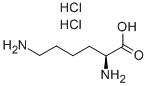
L-Lysine, dihydrochloride
CAS No: 657-26-1
Formula: C6H14N2O2.2ClH
Categories: Food Additives > Nutrition Supplements
-

L-Lysine dihydrochloride RC02694
$1/KG EXW
Inquiry -

L-Lysine Hydrochloride Food Grade
Inquiry -

L-Lysine monohydrochioride Food Grade
Inquiry -

L-Lysine dihydrochloride
Inquiry



POLYGLYCERYL-10 OLEATE
CAS No: 9007-48-1
Formula: C21H42O5
Categories: Food Additives > Emulsifying Agent
-

Superior Quality Hot Selling CAS 9007-48-1 Polyglyceryl-10 Oleate
Inquiry -

China Professional Manufacturer Supply High Qulity POLYGLYCERYL-10 OLEATE CAS 9007-48-1
$1/KG FOB
Inquiry -

Polyglycerol-10 Monooleate 99%
$4193/MT FOB
Inquiry -

POLYGLYCERYL-10OLEATE
Inquiry


Coconut oil
CAS No: 8001-31-8
Categories: Food Additives > Perfuming
The form that coconut oil takes depends on temperature; it occurs as a pale yellow to colorless liquid between 288℃ and 308℃, as a semisolid at 208℃ , and as a hard brittle crystalline solid below 158℃.More
-

Dideu Supply High Quality Pure 95% Coconut oil
Inquiry -

Coconut oil
$24/KG EXW
Inquiry -

Cosmetics/Food grade 8001-31-8 Refined Coconut Oil
Inquiry -

Coconutoil 90%
Inquiry

Ascorbyl palmitate
CAS No: 137-66-6
Formula: C22H38O7
Categories: Food Additives > Antioxidant Ingredient
-

Ascorbyl Palmitate,99%
$0.1-0.12/G FOB
Inquiry -

Food Antioxidant Additive Ascorbyl Palmitate CAS 137-66-6 China Hot Selling Antioxidant Ascorbyl Palmitate CAS No 137-66-6 High Quality 99% AscorbylP
Inquiry -

Ascorbic Palmitate 98% White powder SNC | Good Fortune
Inquiry -
 99%HPLC White powder_LYNA Bio")
L-Ascorbyl 6-palmitate CAS NO.137-66-6 Palmitic acid, 6-ester with ascorbic acid (6CI,7CI) 99%HPLC White powder_LYNA Bio
Inquiry


Paraffin oils
CAS No: 8012-95-1
Categories: Food Additives > Antistatic
-

China Professional Factory YI Hang Supply 99% Colorless and Translucent Liquid Paraffin, liquid CAS No.:8012-95-1
Inquiry -

Paraffin oil 99% Dideu
Inquiry -

Organic Chemical Raw Materials Paraffin CAS: 8012-95-1
Inquiry -

68# Paraffin Oil White Mineral Oil, Industrial Grade Liquid Paraffin Oil for Rubber Plastic Processing
$720-820/MT FOB
Inquiry


787 Food Additives Suppliers
Short on time? Let Food Additives sellers contact you.
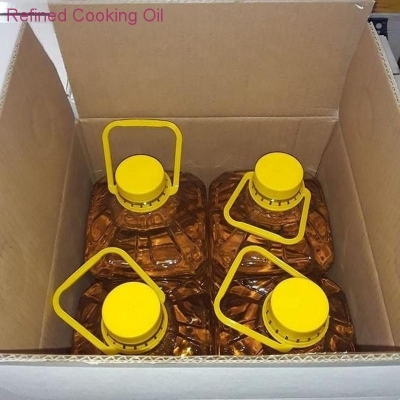
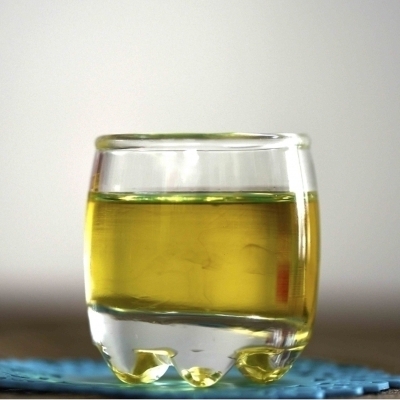
Cottonseed oil
CAS No: 8001-29-4
Formula:
Categories: Food Additives > Skin Conditioning


Starch, oxidized
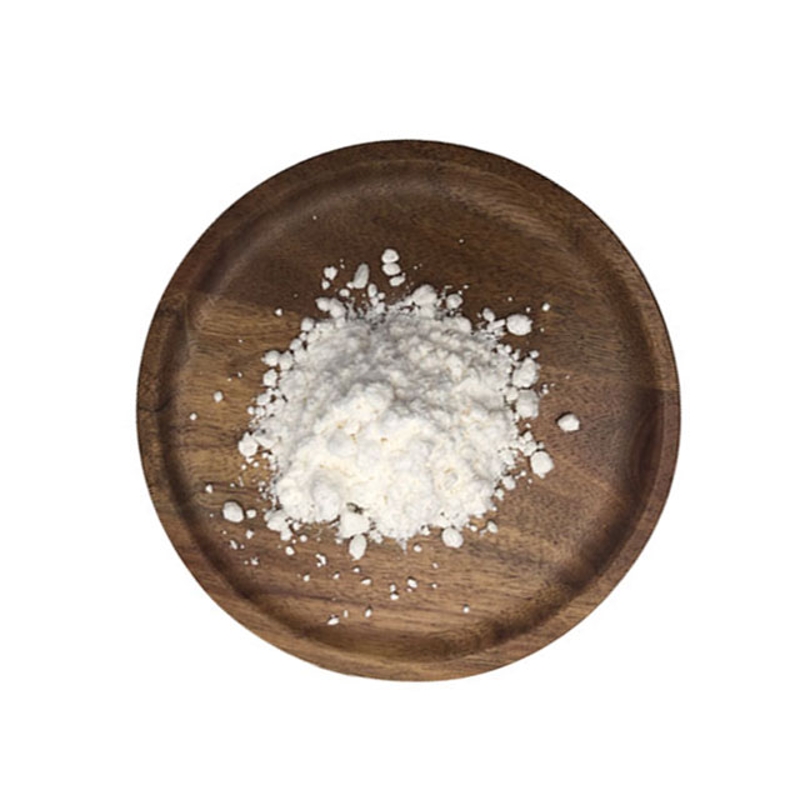
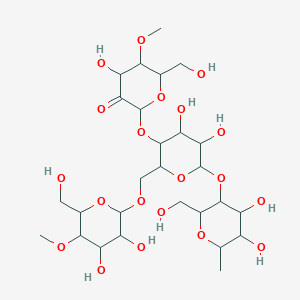
CAS No: 65996-62-5
Formula:
Categories: Food Additives > Thickener
-

Raw material oxidized dialdehyde starch CAS 65996-62-5 high purity best price and Safe customs clearance
Inquiry -

Oxystarch RC02741
$1/KG EXW
Inquiry -

Starchoxide from factory East Chemsources - best price
$1-1.2/MT FOB
Inquiry -

Textile Sizing Modified Corn Starch Tech Grade Factory Supply Large Quantity
$600-700/MT FOB
Inquiry
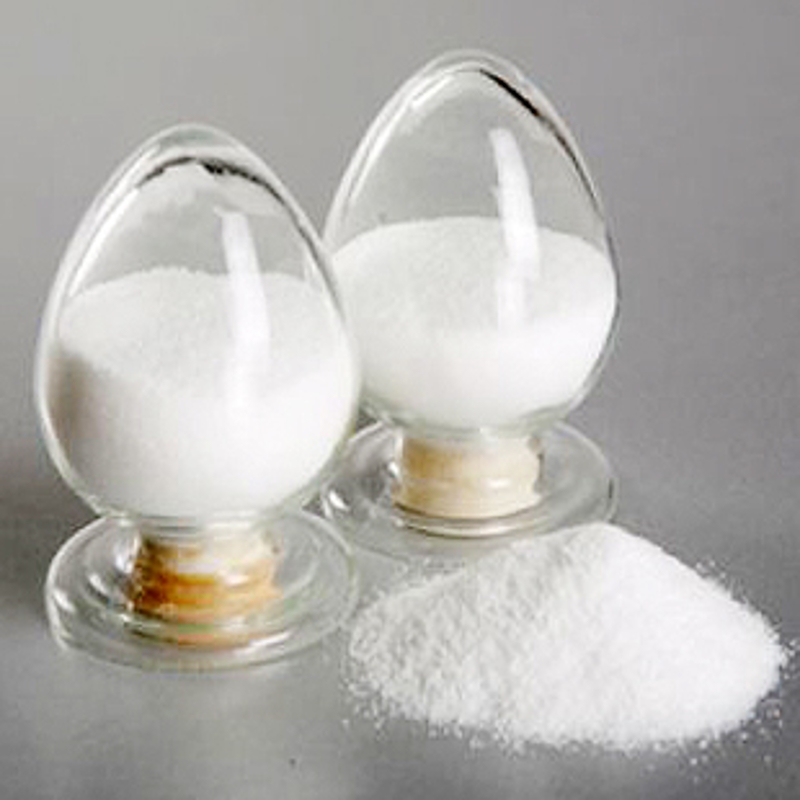

Ammonium Magnesium Phosphate
CAS No: 143601-25-6
Formula: H4MgNO4P
Categories: Food Additives > Nutrition Supplements
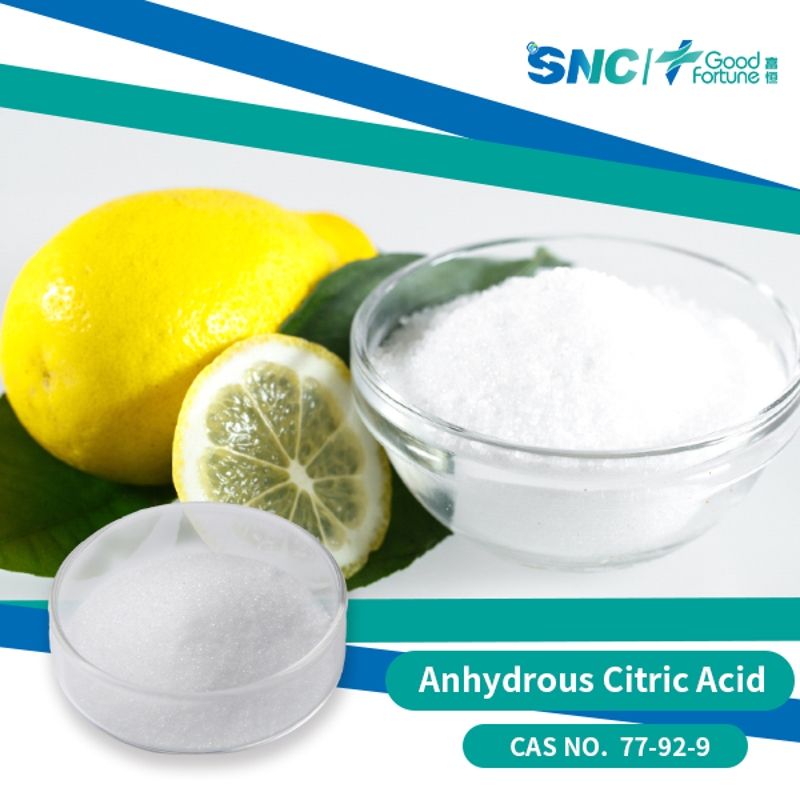
Citric acid
CAS No: 77-92-9
Formula: C6H8O7
Categories: Food Additives > Water Stabilizer
-

Citric Acid Anhydrous Colorless crystals or a white, crystalline powder SNC | Good Fortune
Inquiry -

Food Grade Anhydrous Citric Acid as Acidity Regulator for Beverage Production
Inquiry -

Best Price ENSIGN TTCA Lemon Star RZBC Food Grade Citric Acid Kosher Certified Flavor Ingredients Dried Style Cas 77-92-9 Mono
$650-660/MT FOB
Inquiry -

Acidifier Citric Acid Anhydrous/Citric Acid Monohydrate CAS 77-92-9 for Food 99.5% Colourless or White crystalline powder
Inquiry


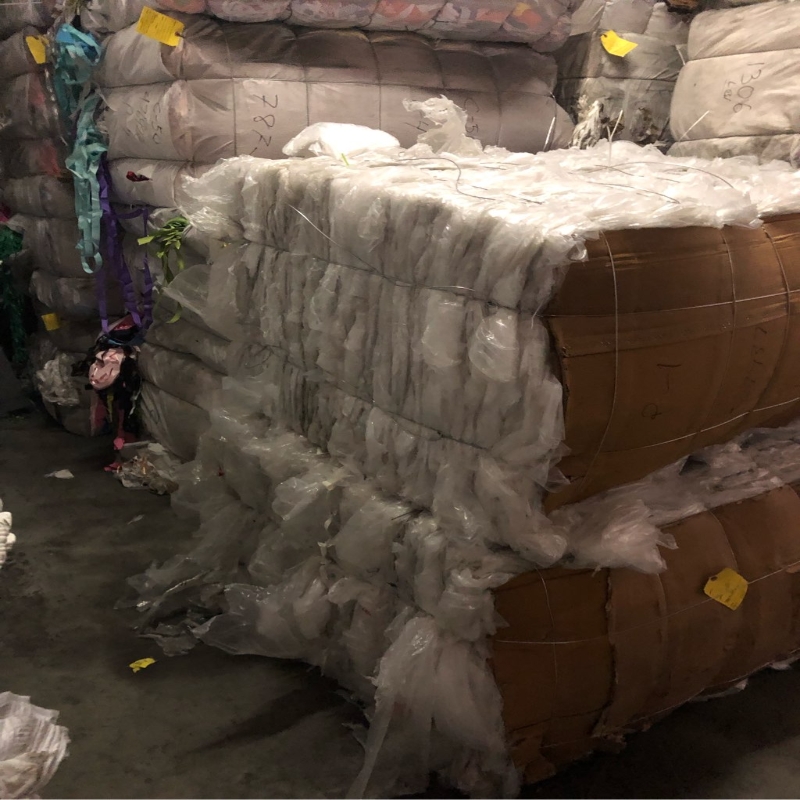
PE
CAS No: 9002-88-4
Formula:
Categories: Food Additives > Film Forming
3
) is soluble in organic solvents at temperatures higher than 200°F. It is insoluble at room teMore


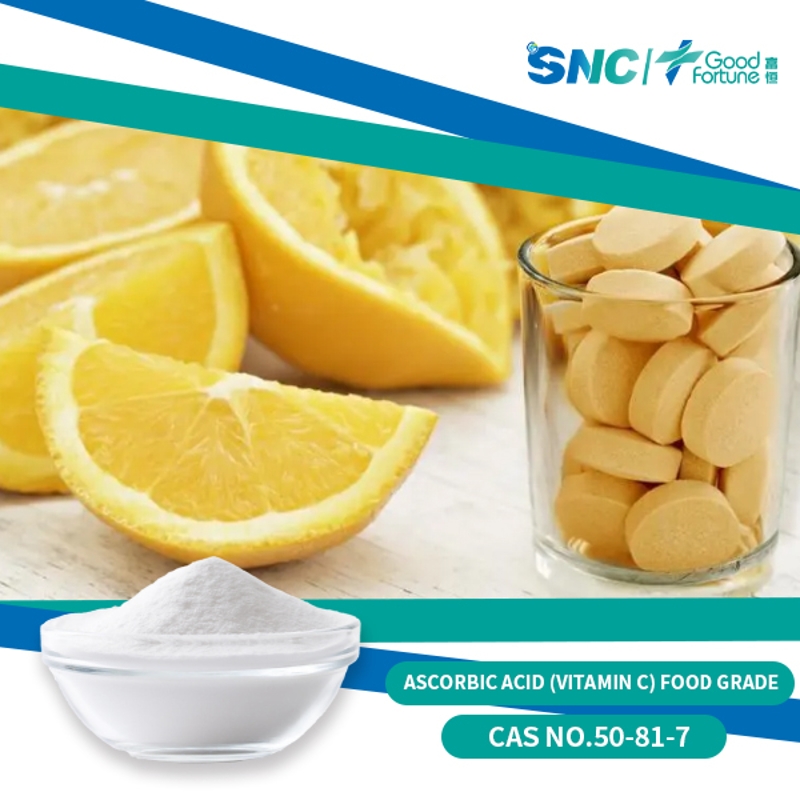
L-Ascorbic acid
CAS No: 50-81-7
Formula: C6H8O6
Categories: Food Additives > Antioxidant Ingredient
-
 Pharmaceutical grade BP/USP/EP SNC | Good Fortune")
Ascorbic Acid (Vitamin C) Pharmaceutical grade BP/USP/EP SNC | Good Fortune
Inquiry -
-Ascorbic acid 99% powder aly- 50-81-7 lk")
L(+)-Ascorbic acid 99% powder aly- 50-81-7 lk
Inquiry -

Ascorbic Acid Coated 97.6% White or pale yellow CAS particles
Inquiry -
-Ascorbic acid")
Best Price Ascorbic Acid Vitamin C Powder Food Addtive CAS. 50-81-7 L(+)-Ascorbic acid
$3.5-4.5/KG FOB
Inquiry


Propionic acid
CAS No: 79-09-4
Formula: C3H6O2
Categories: Food Additives > Cosmetic Preservative
-

Propionic Acid 99% Colourless liquid CHEM CHEM
Inquiry -

Liquid PROPIONIC ACID
Inquiry -

Propionic Acid Food Grade
Inquiry -

Propionic acid 99% Liquid Dideu
Inquiry


Polyacrylamide
CAS No: 9003-05-8
Formula: (C3H5NO)x
Categories: Food Additives > Film Forming
-

Wholesale Price Water treatment chemicals Anionic/Cationic Polyacrylamide PAM Powder
Inquiry -

Food Grade Polyacrylamide powder
Inquiry -

High Efficiency Flocculant Polyacrylamide PAM Water Treatment Agent Water Treatment Coagulant
Inquiry -

Factory-Direct Source BAC Water 7732-18-5 Steroid powder Methenolone Acetate High Quality Best Selling products
$40/UNIT FOB
Inquiry


Rosin
CAS No: 8050-09-7
Formula:
Categories: Food Additives > Film Forming
-

First Grade rosin 100% White Powder
Inquiry -

Rosin 99% FLAKES SAA0998945321 SAA
$5000-5500/MT FOB
Inquiry -

Rosin
Inquiry -

Rosin 99% solid 8050-09-7 Dideu
$1/KG FOB
Inquiry



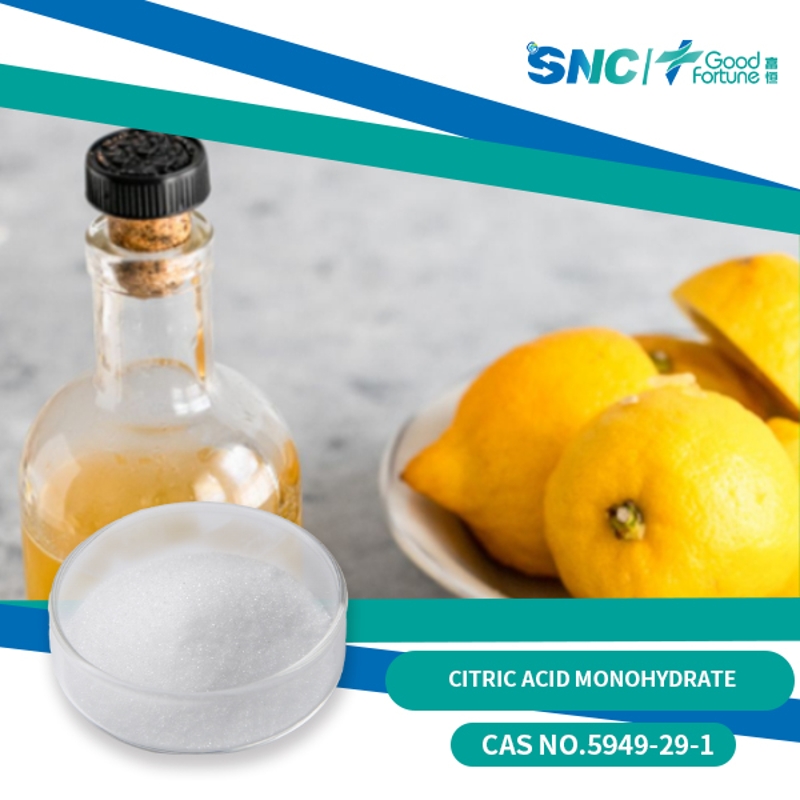
2-Hydroxy-1,2,3-propanetricarboxylic acid hydrate (1:1)
CAS No: 5949-29-1
Formula: C6H8O7.H2O
Categories: Food Additives > Buffering
-

Citric Acid Monohydrate crystalline powder SNC | Good Fortune
Inquiry -

Food Additive Citric Acid Monohydrate CAS 5949-29-1 Factory Price High Quality
Inquiry -

Factory Direct Sales of Citric Acid Monohydrate Acid Enhancer for Acidity Regulation Cas 5949-29-1
$560-580/MT FOB
Inquiry -

Acidity Regulator Food Grade CAS 5949-29-1 Citric Acid Monohydrate
Inquiry


New Arrivals
Most Popular


People are searching
Food Additives Market
-
Propionic acid:
5814.29Yuan/mt - -
L-Ascorbic acid:
20.0Yuan/kg -
Frequently Asked Questions
When sourcing food additives you should verify: CAS number, purity or grade (e.g. food-grade, pharma-grade), safety documents such as COA and SDS, compliance with relevant regulatory standards (e.g. for your target market), and proper packaging and storage conditions. Ensuring supplier credibility and documentation completeness helps guarantee product safety and regulatory compliance.
Food producers often use additives to preserve freshness, inhibit spoilage by bacteria or mold, and extend shelf life. Additives can also enhance or stabilize flavor and aroma, improve or restore color and appearance, adjust texture or consistency, and in some cases fortify foods with essential nutrients such as vitamins or minerals.
Yes — due to differences in food safety regulations, some additives allowed in one region may be restricted or prohibited in another. For example:
Potassium bromate (E924) Titanium dioxide (E171) Brominated vegetable oil (BVO / E443) Azodicarbonamide (E927a) Propylparaben (E217)Because regulations differ by country and may change, buyers and manufacturers should always refer to local laws and regulatory agency guidelines before using or importing food additives.
Food additives are substances — either natural or synthetic — added to food during processing or preparation to improve qualities such as taste, texture, color, appearance, preservation, or nutritional value. They help maintain or enhance food quality and shelf-life under varying conditions.