




Cosmetic Ingredient
- • Abrasive (124)
- • Absorbent (84)
- • Anticaking (66)
- • Anticorrosive (25)
- • Antifoaming (19)
- • Antimicrobials (291)
- • Antioxidant Ingredient (393)
- • Antiperspirant (20)
- • Antiplaque (48)
- • Anti-seborrheic (38)
- • Anti-sebum (38)
- • Antistatic (457)
- • Astringent (162)
- • Binding Agent (171)
- • Bleaching Agent (53)
- • Buffering (190)
- • Bulking (109)
- • Chelating (122)
- • Cleansing (680)
- • Cosmetic Colorant (212)
- • Cosmetic Preservative (158)
- • Denaturant (45)
- • Deodorant (98)
- • Depilatory (27)
- • Dissolving Agent (297)
- • Emollient (795)
- • Emulsifying Agent (481)
- • Emulsion Stabilising (153)
- • Exfoliating (19)
- • Film Forming (299)
- • Flavouring (72)
- • Foam Boosting (161)
- • Foaming (101)
- • Fragrance Ingredient (732)
- • Gel Forming (19)
- • Hair Conditioning (672)
- • Hair Dyeing (363)
- • Hair Fixing (36)
- • Hair Waving or Straightening (45)
- • Humectant (281)
- • Hydrotrope (92)
- • Keratolytic (20)
- • Light Stabilizer (77)
- • Moisturising Agent (50)
- • Nail Conditioning (42)
- • Occlusive (20)
- • Opacifying (119)
- • Oral Care (123)
- • Oxidising (19)
- • Perfuming (2106)
- • Plasticiser (98)
- • Propellant (19)
- • Reducing (51)
- • Refatting (12)
- • Refreshing (27)
- • Skin Cleansing (387)
- • Skin Conditioning (1747)
- • Skin Humectant (21)
- • Skin Protecting (281)
- • Smoothing (32)
- • Soothing (72)
- • Tonics (155)
- • UV Filter (33)
- • Viscosity Controlling (530)
Chemicals as Skincare Ingredients
Related News
-
Huda Beauty to Sell Kayali Stake to General Atlantic
2025-02-20 -
Skylar Clean Beauty Launches New Citrus Reverie Fragrance
2024-06-25 -
Give Back Beauty secures Mercedes-Benz fragrance licensing agreement
2024-04-17 -
BASF Aromatic Ingredients expands its Isobionics portfolio with new natural flavors
2024-03-13 -
Henry Rose raises series A funding
2023-05-15 -
LMR NATURALS BY IFF UNVEILS CARBON FOOTPRINT CALCULATION FOR FRAGRANCE
2023-01-19


Fragrance Ingredient
Sort Fragrance Ingredient Alphabetically
Fragrance Ingredient
Thiamine hydrochloride
(67-03-8)-

-

- / 0.00%
-

- / 99.00%
-
/vitaminb(sub1)nitrate 67-03-8 Pharmaceutical Powder")
Food grade / 99%


Triacetin
(102-76-1)-

Food Grade / 99%
$1/KG FOB
-

industrial Grade / 98%
-

- / 99.00%
-

Industrial Grade / 98%


Ethylvanillin
(121-32-4)-

Industrial Grade / 99%
-

Chemical Grade / 99%
$1/G FOB
-

- / 0.00%
-

- / 99.00%



Methyl benzoate
(93-58-3)-

Industrial Grade / 99%
-

Pharmaceutical Grade / 98%
$3220-3650/MT FOB
-

industrial Grade / 98%
$1/MT FOB
-

Industrial Grade / 99%
$1/KG EXW


Request for quotation , get quotes from more suppliers.
Stevioside
(57817-89-7)2. Sweetener
-

Cosmetics Grade / 99%
-

Cosmetics Grade / 99%
-

Cosmetics Grade / 99%
-

Cosmetics Grade / 99%
$50/ EXW


Request for quotation , get quotes from more suppliers.
Maltol
(118-71-8)-

-

- / 0.00%
-

- / 99.00%
-


Request for quotation , get quotes from more suppliers.
Eucalyptus oil
(8000-48-4)-

Cosmetics Grade / 70%
-

Cosmetics Grade / 99%
$17.2-20.4/KG FOB
-

Food Grade / 80%
-

Food Grade / 80%


Request for quotation , get quotes from more suppliers.
Grape Seed Extract
(84929-27-1)-

cosmetic grade / 99%
-

Cosmetics Grade / 99%
-
 Plant Herbal Extract Powder Vitis Vinifera Food Additive Antioxidant Proanthocyanidins")
Food Grade, Cosmetic Grade / 99.9%
-

Cosmetic/Food/Pharmaceutical Grade / 0.00%


Request for quotation , get quotes from more suppliers.
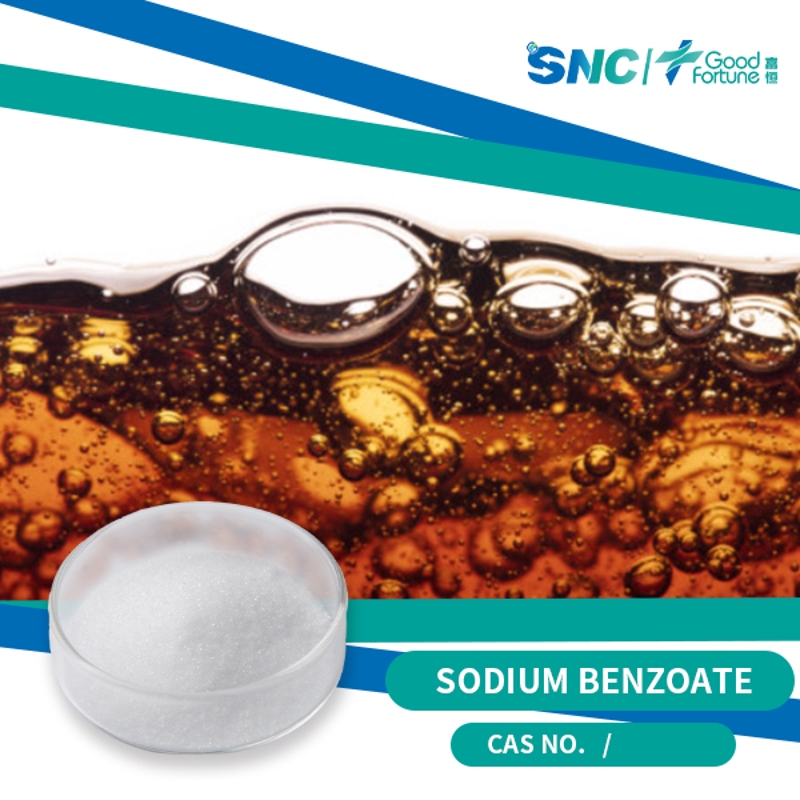
Sodium benzoate
(532-32-1)2. A benzene compound used as a synthetic reagent.
-

Cosmetics Grade / 30%
$2.1-2.7/KG EXW
-

Pharmaceutical Grade / 99%
$1.1-1.3/G FOB
-

Food Grade / 99%
-

Food Grade / 99%


dl-Tartaric acid
(133-37-9)-

Cosmetics Grade / 99%
-

cosmetic grade / -
$114/KG EXW
-

AAA / 99%
-

Industrial Grade / 99%


Request for quotation , get quotes from more suppliers.
Source Fragrance Ingredient Raw Materials by Region


More Information
There are primarily four fragrance categories:
● Citrus: Fresh scents from citrus fruits like lemon, lime, orange, and mandarin.
● Floral: Single or combined scents of flowers like rose, jasmine, gardenia, and lavender.
● Oriental: A blend of spicy, woody, balsamic, and animalistic notes, giving warm and rich aromas.
● Woody: Warm and long-lasting scents from precious woods like sandalwood, cedarwood, and agarwood.
Fragrance Analysis:
Most perfumes follow a pyramid structure with top, middle, and base notes:
● Top notes: Initially, the scent of alcohol and perfume blend is prominent.
● Middle notes: After about ten minutes, the alcohol scent fades, leaving the core fragrance.
● Base notes: Develop about thirty minutes after application, mixing with personal skin chemistry to create a unique scent.
Frequently Asked Questions
A fragrance ingredient is a chemical compound or natural substance used to impart scent in perfumes, cosmetics, personal care products, and household cleaners. These ingredients can be derived from natural sources like essential oils or created synthetically in laboratories. Fragrance ingredients are carefully selected based on their olfactory profile, stability, safety, and regulatory compliance.
Fragrance ingredients are regulated by multiple international bodies such as the International Fragrance Association (IFRA) and regional agencies like the U.S. FDA and the European Commission. IFRA sets safety standards based on scientific assessments from the Research Institute for Fragrance Materials (RIFM). Ingredients must undergo rigorous toxicological evaluation to ensure they are safe for consumer use at specified concentrations.
Natural fragrance ingredients are extracted from botanical sources such as flowers, fruits, woods, or resins using methods like steam distillation or cold pressing. Synthetic fragrance ingredients are chemically manufactured to replicate natural scents or create entirely new aromas. Synthetics often offer greater consistency, sustainability, and allergen control compared to naturals, which can vary due to climate or harvest conditions.
To choose high-quality fragrance ingredients, consider the following criteria:1. Purity and consistency of the material, verified through certificates of analysis (CoA).2. Compliance with IFRA standards and relevant regional regulations.3. Supplier reputation, including transparency about sourcing and manufacturing processes.4. Stability and compatibility with your base formulation (e.g., pH, solubility).Working with certified suppliers who provide technical support and documentation ensures reliable performance and regulatory safety.
Many fragrance ingredients are safe for sensitive skin when used within IFRA-recommended concentration limits. However, certain components—such as limonene, linalool, or cinnamal—can become sensitizers if oxidized or used excessively. To minimize risk, formulators should use pre-tested fragrance blends labeled 'hypoallergenic' or 'dermatologically tested,' avoid known allergens, and clearly label products per EU or local allergen disclosure requirements.