




Agrochemicals
- • Biopesticides (18)
- • Herbicides (281)
- • Insecticides (362)
- • Fungicides (163)
- • Pesticide Intermediates (412)
- • Plant Growth Regulators (57)
- • Fertilizers (24)
Related News
-
After Sipcam Agro USA acquired the US plant, it quickly laid out to strengthen the North American agrochemical production capacity
2024-07-31 -
Metrafenone was expanded to wheat, grape and cucumber in China
2024-07-26 -
The EU review removed the restriction on the use of Metconazole as a fungicide and plant growth regulator in the previous approval
2024-07-18 -
Fluquinometoate, a Quinolone fungicide of Shandong SINO-AGRI, obtained provisional approval of ISO generic name
2024-07-08 -
Bayer will market an innovative Bixafen fungicide in Brazil
2024-07-04 -
Limin to expand 6 products production capacity
2024-05-08


Fungicides Featured Products
Fungicides
Difenoconazole
(119446-68-3)-

Food grade / 99%
-

Pharmaceutical Grade / 99%
-

Industrial Grade / 99%
$1-1.3/MT FOB
-

Pesticide Grade / 95%


Diniconazole
(83657-24-3)-

Agricultural Grade / -
-

- / 99.00%
-

Pharmaceutical Grade / 99%
-

Food grade / 99%


Request for quotation , get quotes from more suppliers.
Dimethomorph
(110488-70-5)-

Agricultural Grade / -
$1-1.3/MT FOB
-

- / 99.00%
-

Food grade / 99%
-

- / 98.0%


Dimethylformocarbothialdine
(533-74-4)-

Chemical Grade / 98%
-

-

-

industrial Grade / 98%



Request for quotation , get quotes from more suppliers.
-

Pharmaceutical Grade / 99%
-

- / 99.00%
-

- / 99%
-

Industrial Grade / 99%


Request for quotation , get quotes from more suppliers.
Source Fungicides Products Supply
-

Industrial Grade / 70%
-

-

-

Industrial Grade / 99%


Request for quotation , get quotes from more suppliers.
-

- / 98%
-

Industrial Grade / 99.00%
-

-


Request for quotation , get quotes from more suppliers.
DIETHOFENCARB
(87130-88-9)-
-, propyl ester")
-

Industrial Grade / 99%
-


Request for quotation , get quotes from more suppliers.
Dimethachlon
(24096-53-5)-
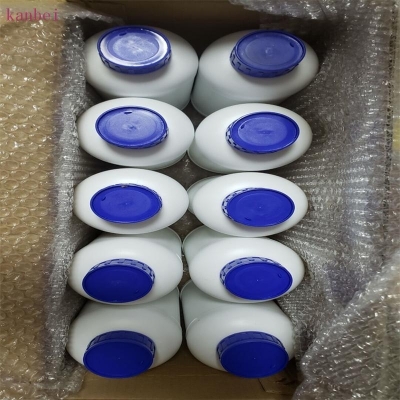
pyrrolidine-2,5-dione Dimethachlon 99% transparent liquid KANBEI")
Industrial Grade / 99%
-

Industrial Grade, Feed Grade, Food Grade, Pharma Grade / 99%
-

-


-

Industrial Grade / 90%
-

Industrial Grade / 99%
-

-


Request for quotation , get quotes from more suppliers.
Source Fungicides Raw Materials by Region


More Information
Germicides are chemicals used to eliminate bacteria, viruses, and fungi that are dangerous to human beings and promote hygiene. There are many types of germicides, such as Imidazole and Bronopol which are useful for disinfecting. It is used in hospitals and other industrial setting for surface disinfection, to remove any dirt and bacteria that may be present. At the same time, the use of germicidal chemicals is a convenient way to sanitize on the go, especially in healthcare facilities, the food industry, and public spaces with a high risk of contamination.
Applications of germicides include:
Hygiene of medical tools and material
Hygiene in the food processing and packaging industry
Cleanliness in schools and working places
Cleansing of public transport and spaces
Sterility in laboratories and research centres
Frequently Asked Questions
Fungicides are chemical or biological substances used to kill or inhibit the growth of fungi and fungal spores that cause plant diseases. They work by interfering with essential fungal processes such as cell membrane synthesis, respiration, or DNA replication. Fungicides can be protectant (applied before infection), curative (applied after infection but before symptoms appear), or eradicant (used to eliminate existing infections). Understanding their mode of action helps in selecting the right product for effective crop protection.
Agricultural fungicides fall into several major chemical classes, including triazoles, strobilurins, dithiocarbamates, and copper-based compounds. Each class targets fungi through different biochemical mechanisms. For example, triazoles inhibit ergosterol biosynthesis, while strobilurins disrupt mitochondrial respiration. Choosing the appropriate type depends on the target pathogen, crop species, resistance management strategies, and environmental considerations.
Selecting the right fungicide involves several key factors:1. Accurate identification of the fungal disease affecting your crop.2. Knowledge of the fungicide’s spectrum of activity—whether it’s broad-spectrum or specific to certain pathogens.3. Consideration of application timing, pre-harvest intervals, and compatibility with other agrochemicals.4. Review of local regulatory approvals and resistance management guidelines.Consulting agronomists or extension services can help ensure effective and sustainable use.
Yes, several organic and eco-friendly fungicide options are approved for use in sustainable and organic farming. These include biofungicides based on beneficial microorganisms like Bacillus subtilis or Trichoderma spp., as well as natural compounds such as neem oil, potassium bicarbonate, and copper sulfate (in limited quantities). While generally safer for the environment and non-target organisms, their efficacy may vary, so proper application and timing are critical.
When handling fungicides, always follow label instructions and adhere to safety protocols:1. Wear appropriate personal protective equipment (PPE) such as gloves, goggles, and respirators.2. Avoid skin contact and inhalation during mixing and application.3. Store products in original containers away from food, feed, and water sources.4. Dispose of empty containers and unused product according to local regulations.Proper training and adherence to Good Agricultural Practices (GAP) minimize health risks and environmental impact.