




Organic Chemistry
- • Amides (2626)
- • Alcohols, Phenols, Phenol Alcohols (330)
- • Nitrogen Compounds (259)
- • Nitrile Compound (91)
- • Hydrazine or Hydroxylamine Derivatives (213)
- • Quinones (38)
- • Ethers and Derivatives (186)
- • Aldehydes (117)
- • Carboxylic Acids and Derivatives (794)
- • Hydrocarbons and Derivatives (2317)
- • Ketones (78)
- • Inorganic Acid Esters (172)
- • Heterocyclic Ring (355)
- • Organometallic Compounds (977)
- • Organosulfur Compounds (73)
- • Phosphines (726)
- • Organometalate (285)
- • Organic Fluorine Compound (2121)
- • Triazenes (18)
- • Semicarbazides (33)
- • Organoselenium Compounds (28)
- • Nitro Compounds (96)
- • Nitrates (15)
- • Lactones (240)
- • Imines (24)
- • Free Radicals (48)
- • Dioxins and Dioxin-like Compounds (31)
- • Cyanates (31)
- • Coordination Complexes (3059)
- • Boron Compounds (84)
- • Azides (66)
- • Arsenicals (56)
Related News


Inorganic Acid Esters Featured Products
Inorganic Acid Esters
Dimethyl sulfate
(77-78-1)-

Industrial Grade / 99%
-

Plating Grade / 99%
-

- / 99.00%
-

- / 99%



Distarch phosphate
(55963-33-2)-

Industrial Grade / 98%
$100/Unit EXW
-

Food Grade / 99%
$1-1.2/MT FOB
-

Food Grade / -
-

Industrial Grade / 99%



Request for quotation , get quotes from more suppliers.
Diethyl carbonate
(105-58-8)-

Industrial Grade / 99%
-

Industrial Grade / -
-

-




Diethyl sulfate
(64-67-5)-

-

Industrial Grade / 99.5%
-

Pharmaceutical Grade / 98.5%
-

Industrial Grade / 99%


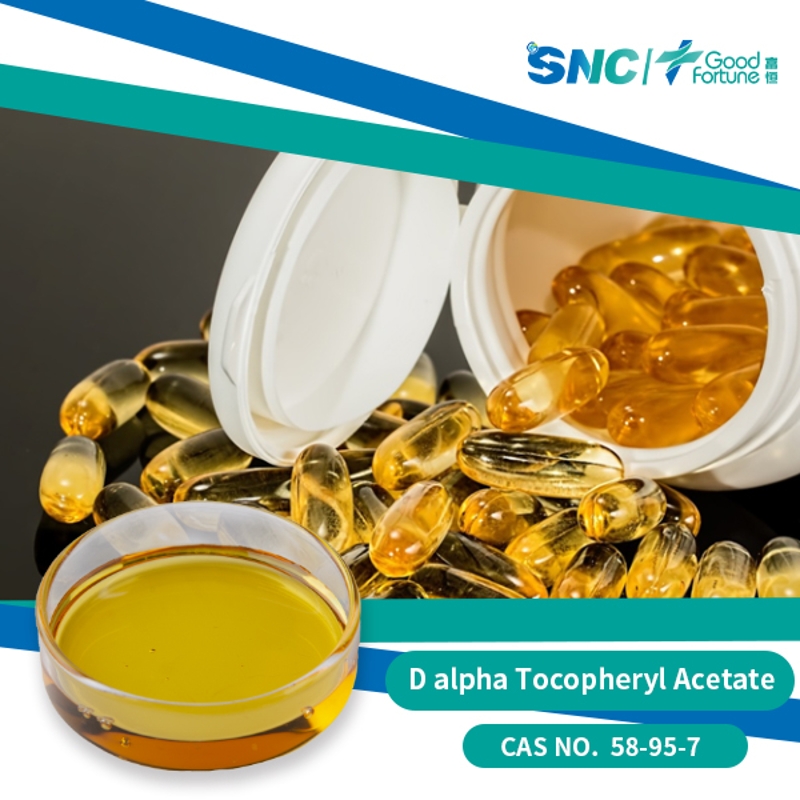
D-alpha-Tocopheryl acetate
(58-95-7)-

Industrial Grade / 99.9%
-

Food Grade / 97%
-

Feed Grade / 99%
-

Food Grade / 98%



Request for quotation , get quotes from more suppliers.
Source Inorganic Acid Esters Products Supply
Diethyl phosphate
(598-02-7)-

- / 99.00%
-

Industrial Grade / 99%
-

-

Industrial Grade / 99%


Request for quotation , get quotes from more suppliers.
Dimethyl phosphate
(813-78-5)-

Industrial Grade / 99%
-

-

Industrial Grade / 99%
-


Request for quotation , get quotes from more suppliers.
Dicaprylyl carbonate
(1680-31-5)-

Industrial Grade / 99%
-

- / 99.00%
-

-

Top Product / 99%


Request for quotation , get quotes from more suppliers.
DL-METHIONINE METHYLSULFONIUM CHLORIDE
(1115-84-0)-

- / 98%
-

- / 99.00%
-

Industrial Grade / 99.0%
-


Request for quotation , get quotes from more suppliers.
Dimethyl sulfite
(616-42-2)-
")
$1-1.2/KG FOB
-

- / 99%
-

Industrial Grade / 99%
$1900-2200/MT FOB
-

Industrial Grade / 99%

Request for quotation , get quotes from more suppliers.
Source Inorganic Acid Esters Raw Materials by Region

Frequently Asked Questions
Inorganic Acid Esters are chemical compounds formed by the reaction of an inorganic acid with an alcohol or phenol, resulting in the replacement of one or more acidic hydrogen atoms with organic groups. Common examples include phosphate esters, sulfate esters, and nitrate esters. These esters are widely used in industrial applications such as flame retardants, plasticizers, surfactants, and pharmaceutical intermediates due to their unique chemical stability and reactivity.
Inorganic Acid Esters serve critical roles across multiple industries:1. In agrochemicals, they act as key intermediates in pesticide and herbicide synthesis.2. In the polymer industry, phosphate esters function as flame retardants and stabilizers.3. Sulfate esters are used in detergents and personal care products as surfactants.4. Nitrate esters find use in energetic materials like propellants and explosives.Their versatility stems from tunable solubility, thermal stability, and reactivity profiles.
To ensure high quality and purity of Inorganic Acid Esters, verify that the supplier adheres to internationally recognized standards such as ISO 9001 and provides comprehensive Certificates of Analysis (CoA). Key quality indicators include assay percentage, residual solvent levels, heavy metal content, and water content. Reputable suppliers also conduct rigorous testing via GC, HPLC, or NMR and maintain strict GMP-compliant manufacturing processes—especially important for applications in pharmaceuticals or electronics.
Safety depends on the specific type of Inorganic Acid Ester. For example, alkyl nitrates can be explosive under heat or shock, while some phosphate esters may pose environmental or health hazards. Always consult the Safety Data Sheet (SDS) for handling guidelines. Proper storage typically involves cool, dry, well-ventilated areas away from incompatible substances like strong oxidizers or bases. Use appropriate PPE, including gloves and eye protection, and follow local regulatory requirements for hazardous chemicals.
When selecting a supplier for Inorganic Acid Esters, consider these factors:1. Proven experience in fine or specialty chemical manufacturing with documented quality control systems.2. Regulatory compliance (e.g., REACH, TSCA, GMP) relevant to your region and application.3. Ability to provide technical documentation, including CoA, SDS, and scalability for bulk orders.4. Strong logistics and supply chain reliability to avoid production delays.5. Technical support for application-specific guidance. Choosing a certified and transparent supplier minimizes risk and ensures consistent product performance.