




Cosmetic Ingredient
- • Abrasive (124)
- • Absorbent (84)
- • Anticaking (66)
- • Anticorrosive (25)
- • Antifoaming (19)
- • Antimicrobials (291)
- • Antioxidant Ingredient (395)
- • Antiperspirant (20)
- • Antiplaque (48)
- • Anti-seborrheic (38)
- • Anti-sebum (39)
- • Antistatic (458)
- • Astringent (162)
- • Binding Agent (172)
- • Bleaching Agent (53)
- • Buffering (191)
- • Bulking (109)
- • Chelating (122)
- • Cleansing (680)
- • Cosmetic Colorant (212)
- • Cosmetic Preservative (158)
- • Denaturant (45)
- • Deodorant (98)
- • Depilatory (27)
- • Dissolving Agent (298)
- • Emollient (796)
- • Emulsifying Agent (482)
- • Emulsion Stabilising (154)
- • Exfoliating (19)
- • Film Forming (299)
- • Flavouring (72)
- • Foam Boosting (161)
- • Foaming (101)
- • Fragrance Ingredient (733)
- • Gel Forming (19)
- • Hair Conditioning (672)
- • Hair Dyeing (363)
- • Hair Fixing (36)
- • Hair Waving or Straightening (45)
- • Humectant (282)
- • Hydrotrope (92)
- • Keratolytic (20)
- • Light Stabilizer (80)
- • Moisturising Agent (50)
- • Nail Conditioning (42)
- • Occlusive (20)
- • Opacifying (119)
- • Oral Care (123)
- • Oxidising (19)
- • Perfuming (2106)
- • Plasticiser (98)
- • Propellant (19)
- • Reducing (52)
- • Refatting (12)
- • Refreshing (27)
- • Skin Cleansing (388)
- • Skin Conditioning (1753)
- • Skin Humectant (21)
- • Skin Protecting (282)
- • Smoothing (32)
- • Soothing (72)
- • Tonics (155)
- • UV Filter (34)
- • Viscosity Controlling (532)
Chemicals as Skincare Ingredients
Related News
-
Interparfums Acquires Goutal to Enter the High-End Perfume Sector
2025-03-19 -
Perfume supply shortage, Coty's performance 'forced' to slow down
2022-11-10 -
How Is Perfume A Compound, and What Are Its Ingredients?
2022-03-14 -
What Is The Solvent Used In Perfume
2022-03-02 -
How Perfume Is A Mixture Of Fragrant Compounds?
2022-02-28 -
3 trends of European and American daily chemicals
2020-07-17


Perfuming
Perfuming
Ethyl acetate
(141-78-6)2. Meets urethane grade requirements (H2O 0.05%)
3. Ethyl Acetate is generally used as a solvent in organic reactions.
4. It is used in chromatography saolvent; extraction medium.
-

Industrial Grade / 99.9%
-

Industrial Grade / 99.8%
$1400-1820/MT FOB
-

Industrial Grade / 99.7%
-


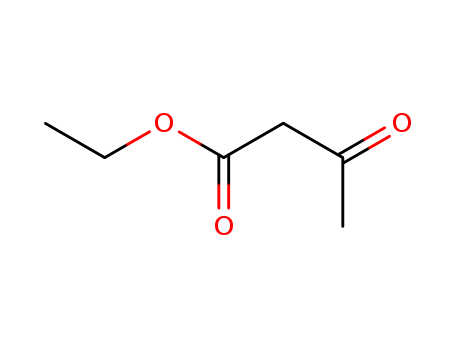
Ethyl acetoacetate
(141-97-9)-

Industrial Grade / 99%
-

- / 0.00%
-

- / 99.00%
-

Industrial Grade / 99.9%
$10/UNIT FOB



Request for quotation , get quotes from more suppliers.
Eucalyptus oil
(8000-48-4)-

Cosmetics Grade / 70%
-

Cosmetics Grade / 99%
$17.2-20.4/KG FOB
-

Food Grade / 80%
-

Food Grade / 80%


Request for quotation , get quotes from more suppliers.
Eugenol
(97-53-0)-

Cosmetics Grade / -
-

Cosmetics Grade / 99%
$14-18/KG FOB
-

Pharmaceutical Grade / 99%
-

- / 0.00%


Request for quotation , get quotes from more suppliers.
Ethyl maltol
(4940-11-8)-

Industrial Grade / 99%
-

-

- / 0.00%
-

- / 99.00%


Request for quotation , get quotes from more suppliers.
Source Perfuming Products Supply
-

Industrial Grade / 99%
-

- / 99%
-

Chemical Grade / -
-

Industrial Grade / 99%
$5300-6000/MT FOB

Essential oils, cassia
(8007-80-5)-

- / 85%
-

- / 99.00%
-

-

Top Product / 0%


Request for quotation , get quotes from more suppliers.
Ethyl oleate
(111-62-6)-

Industrial Grade / 99%
-

- / 0.00%
-

- / 99.00%
-

Pharmaceutical Grade / 99%


Request for quotation , get quotes from more suppliers.
Ethyl cinnamate
(103-36-6)-

- / 0.00%
-

-

Pharmaceutical Grade / 99%
-

Industrial Grade / 99%



Request for quotation , get quotes from more suppliers.
Ethyl propionate
(105-37-3)-

Industrial Grade / 99%
-

industrial Grade / 98%
-

Pharmaceutical Grade / 98.5%
-

Food Grade / 99%


More Information
Perfuming can enrich products with appealing scents. When incorporated into cosmetic formulations, fragrance compounds interact with other ingredients to create a harmonious blend of scents. This interaction may involve chemical reactions, molecular diffusion, or physical adsorption onto surfaces.
Fragrance compounds used in perfuming are meticulously selected based on their olfactive profiles and compatibility with other ingredients in the formulation. These compounds may include natural extracts, essential oils, synthetic aroma chemicals, or a combination thereof.
Common ingredients used in perfuming:
•Essential oils
•Synthetic aroma chemicals
•Fragrance fixatives
•Solvents and carriers
Frequently Asked Questions
Perfuming ingredients are essential components used to create and enhance scents in a wide range of products, including fine fragrances, cosmetics, personal care items, and household cleaners. These ingredients can be natural (like essential oils and absolutes) or synthetic aroma compounds designed to mimic natural scents or create entirely new olfactory experiences. Their primary role is to provide the desired fragrance profile while ensuring stability, longevity, and compatibility with other formulation components.
Selecting high-quality perfuming materials involves evaluating several key criteria:1. Purity and consistency of the aromatic compound.2. Compliance with international regulatory standards such as IFRA (International Fragrance Association) guidelines.3. Supplier transparency regarding sourcing, safety data sheets (SDS), and allergen declarations.4. Stability and performance in your specific product base (e.g., alcohol-based perfumes vs. aqueous lotions).Working with certified and reputable suppliers ensures both product safety and olfactory excellence.
Natural perfuming agents are derived from botanical sources such as flowers, woods, resins, and citrus peels through methods like steam distillation or solvent extraction. They offer authentic, complex aromas but may vary in composition due to harvest conditions. Synthetic perfuming agents are lab-created molecules that provide consistent scent profiles, greater stability, and access to notes not found in nature (e.g., ozonic or metallic accords). Both types are widely used in modern perfumery, often in combination, to achieve balance, creativity, and regulatory compliance.
Yes, perfuming ingredients are subject to strict regulations to ensure consumer safety. The International Fragrance Association (IFRA) sets global standards based on scientific risk assessments, restricting or banning certain substances if they pose health risks. Additionally, regional regulations—such as the EU Cosmetics Regulation (EC) No 1223/2009—require full disclosure of fragrance allergens above specified thresholds on product labels. Manufacturers must comply with these rules to legally market scented products in most countries.
To preserve the integrity and performance of perfuming ingredients, store them in tightly sealed, amber or opaque glass containers away from direct sunlight, heat, and humidity. Most aroma chemicals and essential oils are sensitive to oxidation and temperature fluctuations, which can alter their scent profile or cause degradation. Keeping them in a cool, dry place (ideally below 25°C / 77°F) and using inert gas blanketing for bulk storage can significantly extend shelf life and maintain olfactory consistency.