




Active Pharmaceutical Ingredients
- • Respiratory Drugs (114)
- • Hormones and the Endocrine System (279)
- • Antipyretic Analgesics (173)
- • Antiallergic Drugs (103)
- • Antiparasitic Drugs (130)
- • Antibiotics (545)
- • Antineoplastic Agents (294)
- • Anesthetic Agents (79)
- • Urinary System Drugs (52)
- • Other Chemical Drugs (948)
- • Synthetic Anti-infective Drugs (599)
- • Nervous System Drugs (349)
- • Fluid, Electrolyte, and Acid-base Balance (48)
- • Vitamins and Minerals Medicines (106)
- • Digestive System Drugs (198)
- • Blood System Drugs (85)
- • Circulatory System Drugs (425)
- • Diagnostic Agents (58)
- • Specialty Drugs (107)
- • Drug Metabolism (25)
- • Feed Additive (22)
- • Anti-stress Drugs (1)
- • Drugs Influencing Immune Function (14)
- • Veterinary Raw Materials (25)
- • Inhibitor Drugs (86)
Related News
-
CPHI & PMEC India 2026
2026-09-11 -
At the API China 2024 Spectacle: A Grand Recap!
2024-10-18 -
The 89th API China & The 27th CHINA-PHARM Exhibition Opened
2024-06-05 -
Overview of China's API industry in 2023
2023-02-01 -
Global Analysis of Active Pharmaceutical Ingredient (API)
2023-01-28 -
Professional and technical dry goods: a brief discussion on the selection of starting materials for chemical synthesis APIs
2022-11-18


Synthetic Anti-infective Drugs Featured Products
Sort Synthetic Anti-infective Drugs Alphabetically
Synthetic Anti-infective Drugs
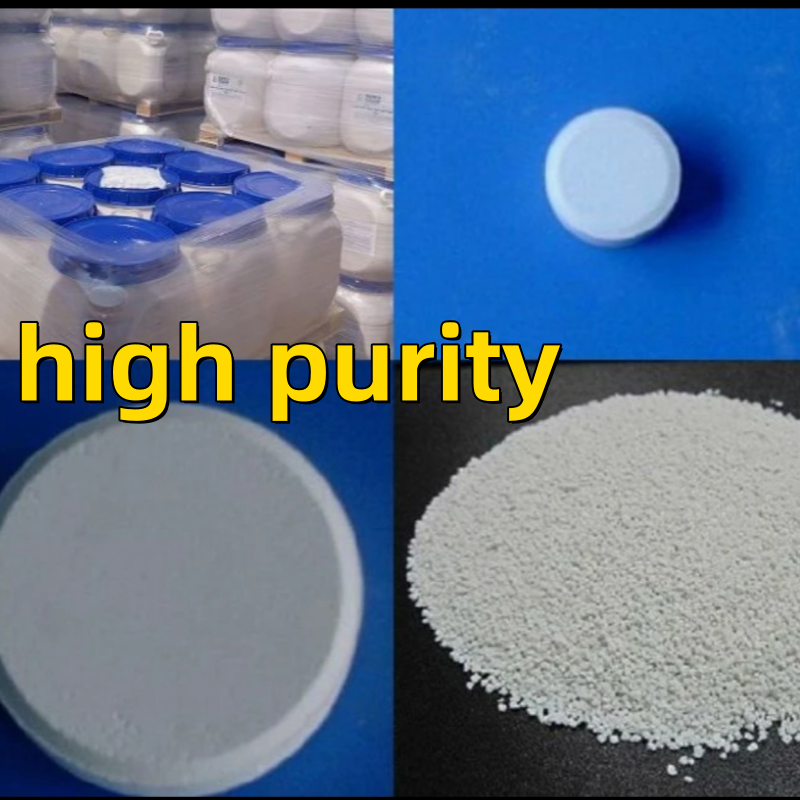
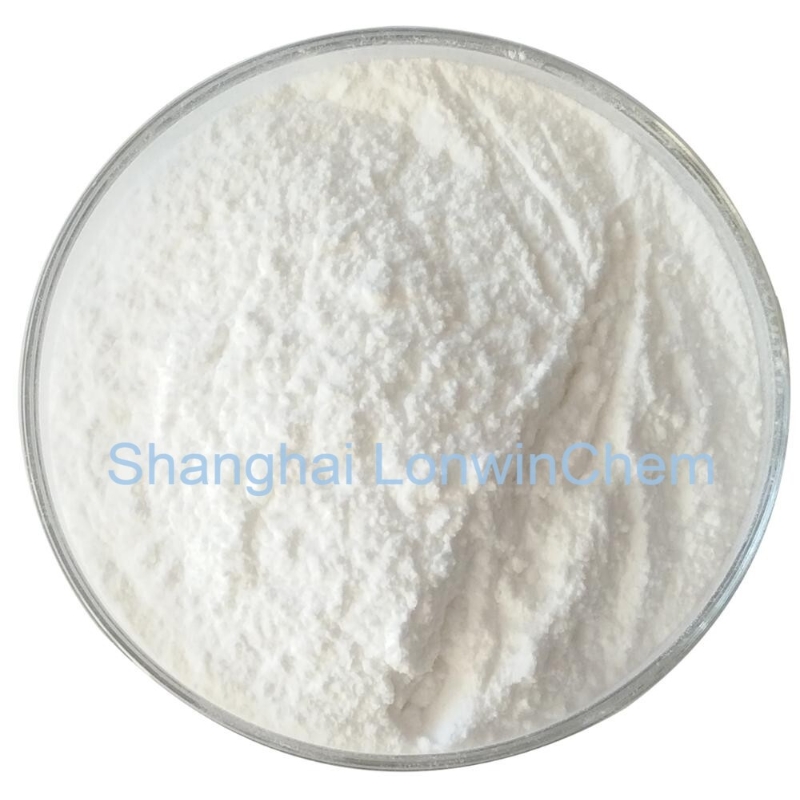
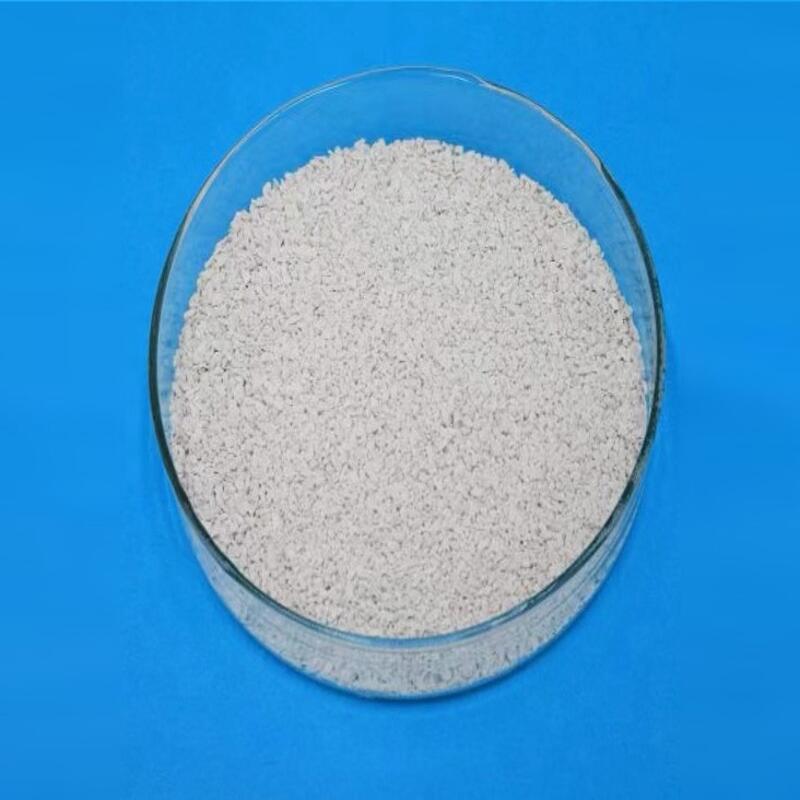
Get Synthetic Anti-infective Drugs Raw Materials by RegionCalcium hypochlorite
(7778-54-3)-
 2 CAS: 7778-54-3")
Pharmaceutical Grade / 99.5%
-

Pharmaceutical Grade / 99%
-

Industrial pharmaceutical water treatment grade / 70%
$0.1/MT FOB
-

Pharmaceutical Grade / 70%
$1214-1578/MT FOB

-

Industrial Grade / 99%
-

-

Industrial Grade or Medical grade / 99%
-


Request for quotation , get quotes from more suppliers.
-
 CAS 1317-80-2")
Pharmaceutical Grade / 99%
-

Pharmaceutical grade / 0.99%
-

Pharmaceutical Grade / 99%
-
Oxide Rutile CAS 1317-80-2")
Pharmaceutical Grade / 0%

Request for quotation , get quotes from more suppliers.
-

Pharmaceutical Grade / 99%
-

Pharmaceutical Grade / 99%
-

Pharmaceutical Grade / 100.7%
-

Pharmaceutical Grade / 99%


Request for quotation , get quotes from more suppliers.
Acyclovir
(59277-89-3)-

Pharmaceutical Grade / 99%
-

Pharmaceutical Grade / 99%
-

Pharmaceutical Grade / 99%
-

Pharmaceutical Grade / 99.9%


Request for quotation , get quotes from more suppliers.
-

Industrial Grade, Feed Grade, Food Grade, Pharma Grade / 99%
-

pharmaceutical grade / 99%
$1/KG EXW
-

$1.19-1.29/KG FOB
-

Food Grade / -


Request for quotation , get quotes from more suppliers.
Resorcinol
(108-46-3)-

Industrial Grade ,Pharma Grade / 99%
-

pharmaceutical grade / 99%
$1/KG EXW
-

Chemical Grade / 99%
$1/KG FOB
-

Industrial Grade / 99.7%


Chlorhexidine
(55-56-1)-

Pharmaceutical Grade / 98%
-

Pharmaceutical Grade / 99%
-

Pharma Grade / 99%
-

Pharmaceutical grad / 99%
$100/KG EXW


Request for quotation , get quotes from more suppliers.
Boric acid (H3BO3)
(10043-35-3)-

Pharmaceutical Grade / 99%
-

Pharmaceutical Grade / 99%
-

Pharmaceutical Grade / 99.9%
-

Pharmaceutical Grade / 99%


Fluconazole
(86386-73-4)2. Anticholinergic
3. For the treatment of fungal infections.
4. A triazole broad-spectrum antifungal agent.
-

Pharmaceutical Grade / 99%
-

Pharmaceutical Grade / 99%
-

Pharmaceutical Grade / 99%
-

Pharmaceutical Grade / 99%


Request for quotation , get quotes from more suppliers.
Frequently Asked Questions
Synthetic anti-infective drugs are chemically manufactured compounds designed to treat infections caused by bacteria, viruses, fungi, or parasites. Unlike naturally derived antibiotics, these agents are created entirely through chemical synthesis in laboratories. Common examples include sulfonamides, quinolones, and certain antiviral agents. They play a critical role in modern medicine by offering targeted, scalable, and often more stable alternatives to natural antimicrobials.
Synthetic anti-infective drugs are fully synthesized in the lab without reliance on microbial fermentation, whereas natural antibiotics (like penicillin) are derived from living organisms such as fungi or bacteria. Synthetic versions often offer better control over purity, consistency, and resistance profiles. Additionally, they can be engineered to overcome common mechanisms of microbial resistance, making them valuable in treating multidrug-resistant infections.
Synthetic anti-infective drugs are widely used in clinical and veterinary settings to treat a range of infections. Key applications include:1. Urinary tract infections (e.g., fluoroquinolones),2. Respiratory infections (e.g., macrolide analogs),3. Skin and soft tissue infections (e.g., trimethoprim-sulfamethoxazole),4. Sexually transmitted diseases (e.g., azithromycin for chlamydia),5. Prophylactic use in surgical procedures.Their predictable pharmacokinetics and scalable production make them essential in both hospital and community healthcare.
When sourcing synthetic anti-infective active pharmaceutical ingredients (APIs), buyers should assess suppliers based on:1. Regulatory compliance (e.g., FDA, EMA, or WHO-GMP certifications),2. Robust quality control systems including impurity profiling and stability testing,3. Documentation transparency (e.g., DMFs, CEPs, or audit reports),4. Scalable manufacturing capacity with consistent batch-to-batch reproducibility,5. Track record in regulatory inspections and supply chain reliability.Choosing a qualified supplier ensures drug safety, efficacy, and regulatory approval success.
The quality of synthetic anti-infective drugs depends on several critical factors:1. Purity and identity of starting materials and intermediates,2. Precision of synthetic route and reaction conditions,3. Stringent in-process controls during manufacturing,4. Effective removal of genotoxic impurities or residual solvents,5. Compliance with ICH guidelines for stability and shelf life.High-quality synthetic anti-infectives must meet pharmacopeial standards (e.g., USP, EP) to ensure therapeutic effectiveness and patient safety.