




Flavors and Fragrances
- • Synthetic Fragrances (1591)
- • Natural Spices (155)
Related News
-
Huda Beauty to Sell Kayali Stake to General Atlantic
2025-02-20 -
Skylar Clean Beauty Launches New Citrus Reverie Fragrance
2024-06-25 -
Give Back Beauty secures Mercedes-Benz fragrance licensing agreement
2024-04-17 -
BASF Aromatic Ingredients expands its Isobionics portfolio with new natural flavors
2024-03-13 -
Henry Rose raises series A funding
2023-05-15 -
LMR NATURALS BY IFF UNVEILS CARBON FOOTPRINT CALCULATION FOR FRAGRANCE
2023-01-19


Synthetic Fragrances Featured Products
Sort Synthetic Fragrances Alphabetically
Synthetic Fragrances
Equipoise
(13103-34-9)-

Pharmaceutical Grade / 99%
-
![buy Androsta-1,4-dien-3-one,17-[(1-oxo-10-undecenyl)oxy]-, (17b)-]( "Androsta-1,4-dien-3-one,17-[(1-oxo-10-undecenyl)oxy]-, (17b)-")
Industrial Grade / 99%
-
")
Industrial Grade / 99.5%
$55-65/KG FOB
-

Pharmaceutical Grade / 99%

![buy Androsta-1,4-dien-3-one,17-[(1-oxo-10-undecenyl)oxy]-, (17b)-](https://file.echemi.com/fileManage/upload/goodpicture/20260105/n-norbimatoprost-155205-89-3_b20260105122526908.jpg "Androsta-1,4-dien-3-one,17-[(1-oxo-10-undecenyl)oxy]-, (17b)-")
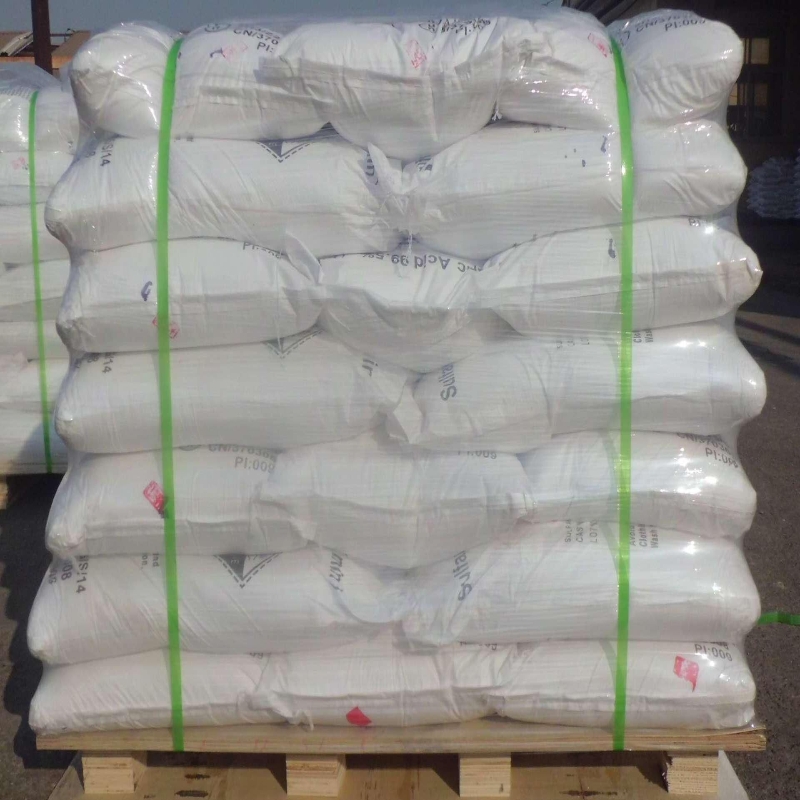

Request for quotation , get quotes from more suppliers.
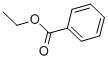
Ethyl benzoate
(93-89-0)-

Industrial Grade / 99%
-

-

- / 99.00%
-

- / 99.00%


Ethyl cinnamate
(103-36-6)-

- / 0.00%
-

-

Pharmaceutical Grade / 99%
-

Industrial Grade / 99%



Request for quotation , get quotes from more suppliers.
Ethyl oleate
(111-62-6)-

Industrial Grade / 99%
-

- / 0.00%
-

- / 99.00%
-

Pharmaceutical Grade / 99%


Request for quotation , get quotes from more suppliers.
Ethyl pyruvate
(617-35-6)-

-

-

Food grade / 99%
-

- / 99.00%



Request for quotation , get quotes from more suppliers.
Source Synthetic Fragrances Products Supply
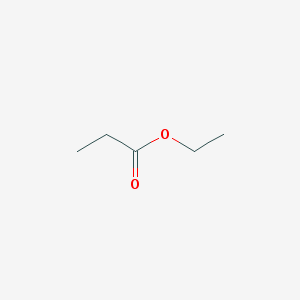
Ethyl propionate
(105-37-3)-

Industrial Grade / 99%
-

industrial Grade / 98%
-

industrial Grade / 90%
$1/MT FOB
-

Food Grade / 99%


-

Industrial Grade / 99%
-

food grade / 99%
-

- / 99%
-

Food Grade / 99%


Request for quotation , get quotes from more suppliers.
Ethyl hexanoate
(123-66-0)-

Industrial Grade / 99%
-

-

Food Grade / 99%
-

- / 99%

Request for quotation , get quotes from more suppliers.
Ethyl formate
(109-94-4)-

Industrial Grade / 99%
-

-

Industrial Grade / 99%
-

Pharmaceutical Grade / 99.0%


Request for quotation , get quotes from more suppliers.
-

Industrial Grade / 99%
-

-

Food grade / 99%
-

- / 99.00%


Request for quotation , get quotes from more suppliers.
Source Synthetic Fragrances Raw Materials by Region


More Information
Synthetic fragrances are chemical compounds, which are produced to imitate natural odours or develop a new scent. These fragrances are mainly used in perfumes, cosmetics, detergents, soaps and air fresheners since they can give long-lasting and steady scents. Because synthetic is made from chemicals obtained from petroleum and other artificial compounds, some people may be allergic to it.
One of the major benefits of synthetic fragrances is that they are relatively stable. They are not easily affected by light, heat and air which is why they are suitable for use in products that need a long-lasting smell. Also, synthetic fragrances are relatively cheaper to produce than natural ones and various options for preparing scents are endless thus giving companies a chance to be creative in creating versatile scents.
Applications of synthetic fragrances include:
- Perfumes and colognes
- Included in products for skin care and cosmetics
- Aerosol and room spray
- Laundry detergents and fabric softeners
- Household cleaning products
Frequently Asked Questions
Synthetic fragrances are human-made aroma compounds designed to mimic natural scents or create entirely new olfactory profiles. They are widely used in perfumes, cosmetics, personal care products, household cleaners, and air fresheners. Unlike essential oils derived from plants, synthetic fragrances offer consistent quality, greater stability, and cost-effective production, making them a preferred choice in many commercial applications.
Yes, synthetic fragrances used in cosmetics are generally considered safe when they comply with international safety standards set by organizations like IFRA (International Fragrance Association) and regulatory bodies such as the FDA and EU Cosmetics Regulation. Reputable manufacturers conduct rigorous testing—including skin sensitization and toxicity studies—to ensure consumer safety. Always check product labels for compliance certifications and allergen disclosures.
Synthetic fragrances are chemically engineered in laboratories, offering precise control over scent composition, longevity, and performance. Natural fragrances, extracted from botanical sources like flowers, fruits, or woods, can vary in quality due to climate, harvest conditions, and extraction methods. While natural options appeal to eco-conscious consumers, synthetic alternatives often provide better consistency, broader scent variety, and enhanced stability in formulations.
When sourcing synthetic fragrances, consider the following key factors:1. Regulatory compliance with regional standards (e.g., REACH, IFRA, FDA).2. Purity and concentration of aroma chemicals.3. Supplier reliability, including documentation (Certificates of Analysis, Safety Data Sheets).4. Customization capabilities for unique scent profiles.5. Sustainability practices and transparency in ingredient sourcing.Partnering with certified, experienced fragrance suppliers ensures product safety, performance, and market competitiveness.
While most people tolerate synthetic fragrances well, certain individuals may experience sensitivities or allergic reactions—particularly to specific components like limonene, linalool, or synthetic musks. To minimize risks, reputable brands adhere to IFRA guidelines that restrict or limit known allergens. Products intended for sensitive skin often carry 'fragrance-free' or 'hypoallergenic' labels. Consumers with known sensitivities should review ingredient lists and perform patch tests before full use.