




Cosmetic Ingredient
- • Abrasive (124)
- • Absorbent (84)
- • Anticaking (66)
- • Anticorrosive (25)
- • Antifoaming (19)
- • Antimicrobials (291)
- • Antioxidant Ingredient (395)
- • Antiperspirant (20)
- • Antiplaque (48)
- • Anti-seborrheic (38)
- • Anti-sebum (39)
- • Antistatic (458)
- • Astringent (162)
- • Binding Agent (172)
- • Bleaching Agent (53)
- • Buffering (191)
- • Bulking (109)
- • Chelating (122)
- • Cleansing (680)
- • Cosmetic Colorant (212)
- • Cosmetic Preservative (158)
- • Denaturant (45)
- • Deodorant (98)
- • Depilatory (27)
- • Dissolving Agent (298)
- • Emollient (796)
- • Emulsifying Agent (482)
- • Emulsion Stabilising (154)
- • Exfoliating (19)
- • Film Forming (299)
- • Flavouring (72)
- • Foam Boosting (161)
- • Foaming (101)
- • Fragrance Ingredient (733)
- • Gel Forming (19)
- • Hair Conditioning (672)
- • Hair Dyeing (363)
- • Hair Fixing (36)
- • Hair Waving or Straightening (45)
- • Humectant (282)
- • Hydrotrope (92)
- • Keratolytic (20)
- • Light Stabilizer (80)
- • Moisturising Agent (50)
- • Nail Conditioning (42)
- • Occlusive (20)
- • Opacifying (119)
- • Oral Care (123)
- • Oxidising (19)
- • Perfuming (2106)
- • Plasticiser (98)
- • Propellant (19)
- • Reducing (52)
- • Refatting (12)
- • Refreshing (27)
- • Skin Cleansing (388)
- • Skin Conditioning (1753)
- • Skin Humectant (21)
- • Skin Protecting (282)
- • Smoothing (32)
- • Soothing (72)
- • Tonics (155)
- • UV Filter (34)
- • Viscosity Controlling (532)
Chemicals as Skincare Ingredients
Related News
-
India Imposes Final Anti‑Dumping Duties on Ethylenediamine from China, EU, Saudi Arabia, and Taiwan, China, with Top Rate of $575/tonne
2026-06-30 -
Hormuz Is Reopening, But Chemical Logistics May Take Months to Recover
2026-06-22 -
Another Major Coating Manufacturer Acquired by a Central SOE: BNBM Acquires SUNROAD Group for Over RMB 300 Million, Locks in Three-Year Performance Pledge
2026-06-29 -
BASF's Intensified Moves from May to June: Plant Closures, Divestitures, and Transformation in Sync
2026-06-26 -
US Chemical Shutdown Wave Expands, PS Units Become the Hardest Hit Segment
2026-06-30 -
EU mulls expanding tariff scope on Chinese chemicals, sector-wide measures in the pipeline
2026-06-23


Tonics
Tonics
Geraniol
(106-24-1)-

Pharmacy Grade, food grade / -
-

-

- / 0.00%
-

- / 99.00%


Request for quotation , get quotes from more suppliers.
Ginger, ext.
(84696-15-1)-
 ROOT EXTRACT")
Pharmaceutical Grade / 99.5%
-

Food grade / 98%
-

- / 99%
-

Pharmaceutical Grade / 5%



Request for quotation , get quotes from more suppliers.
Geranyl acetate
(105-87-3)-

Industrial Grade / 99%
-

- / 0.00%
-

-

Pharmaceutical Grade / 99%


Request for quotation , get quotes from more suppliers.
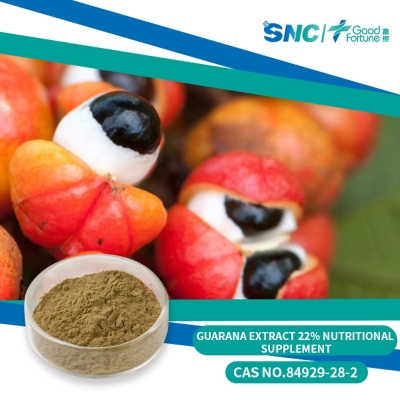
Guarana, ext.
(84929-28-2)-

pharmaceutical grade/food grade / 22%
-

Chemical Grade / 99%
$1/KG FOB
-

Pharmaceutical Grade / 99%
$28-35/KG FOB
-

Chemical Grade / 99%
$10/G EXW


Request for quotation , get quotes from more suppliers.
German chamomile oil
(8002-66-2)-

Food Grade / 99%
-

USP / EP / BP / JP Grade / 99.9%
$1/KG FOB
-

Industrial Grade / 99%
-


Request for quotation , get quotes from more suppliers.
Source Tonics Products Supply
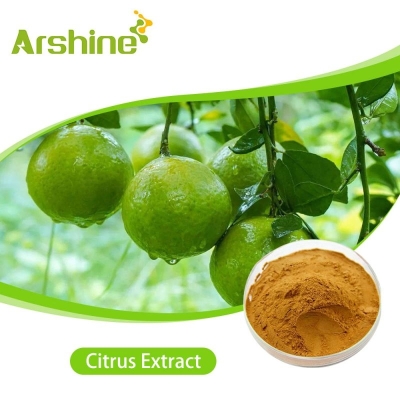
Grapefruit, ext.
(90045-43-5)-

Food Grade / 80%
-

Food Grade / 95%
-

Industrial Grade / 99%
-


Request for quotation , get quotes from more suppliers.
Gaultheria procumbens, ext.
(90045-28-6)-

- / 99.00%
-

USP / EP / BP / JP Grade / 99.9%
$1/KG FOB
-

Industrial Grade / 99%
-

Industrial Grade / 99%


Request for quotation , get quotes from more suppliers.
-

pharmaceutical grade/food grade / 99%
-

-

-



Request for quotation , get quotes from more suppliers.
Grindelia camporum, ext.
(90045-45-7)-

Industrial Grade / 99%
-

-

Industrial Grade / 99%

Request for quotation , get quotes from more suppliers.
More Information
A skin tonic is a skincare product designed to cleanse, refresh, and balance the skin after cleansing. Skin tonics are great for hydrating your skin after cleansing, which is essential as our skin becomes more dehydrated every year.
Hair tonic aims at enhancing both the health and appearance of the scalp and hair. Typically liquid-based, it boasts a diverse array of ingredients crafted to nourish the scalp, fortify hair strands, and elevate overall hair condition. Applied directly to the scalp and hair, typically post-shampooing and before styling, hair tonic can be gently massaged in to invigorate circulation and foster robust hair growth. Moreover, it doubles as a styling aid for imparting shine, managing frizz, and taming unruly strands.
The main ingredients in tonic can include:
● Herbal extracts
● Vitamins and minerals
● Conditioning agents
● Alcohol or astringents
● Water and humectants
Frequently Asked Questions
Tonics are liquid formulations traditionally used to support overall health, boost energy, or improve specific bodily functions such as digestion or immunity. In modern contexts, tonics may refer to herbal remedies, dietary supplements, or functional beverages containing vitamins, minerals, adaptogens, or botanical extracts. They are commonly consumed to promote wellness, enhance vitality, or aid recovery from fatigue or illness.
Health tonics often contain a blend of natural and bioactive ingredients such as ginseng, ashwagandha, ginger, turmeric, elderberry, B vitamins, electrolytes, amino acids, and herbal extracts. Some tonics also include prebiotics, probiotics, or collagen for added functional benefits. The exact formulation varies based on the intended purpose—whether it’s immune support, stress relief, hydration, or metabolic enhancement.
To select a high-quality tonic, consider the following criteria:1. Ingredient transparency—look for clear labeling of active components and sourcing.2. Third-party testing for purity, potency, and contaminants.3. Certifications such as GMP (Good Manufacturing Practice), organic, non-GMO, or NSF.4. Reputation of the manufacturer, including customer reviews and scientific backing.5. Absence of unnecessary additives like artificial colors, sweeteners, or excessive sugar.
Most commercially available tonics designed for general wellness are safe for daily use when taken as directed. However, safety depends on the specific ingredients and individual health conditions. For example, tonics containing stimulants like caffeine or certain herbs may not be suitable for pregnant individuals, children, or those on medications. Always consult a healthcare professional before incorporating a new tonic into your routine, especially if you have underlying health issues.
Traditional herbal tonics originate from systems like Traditional Chinese Medicine or Ayurveda and typically use whole-plant extracts aimed at balancing body systems over time. Modern functional tonics, on the other hand, are often science-backed formulations targeting specific health outcomes—such as focus, sleep, or gut health—and may combine isolated compounds (e.g., L-theanine, zinc, or vitamin C) with botanicals. Both types aim to support well-being but differ in philosophy, standardization, and regulatory oversight.