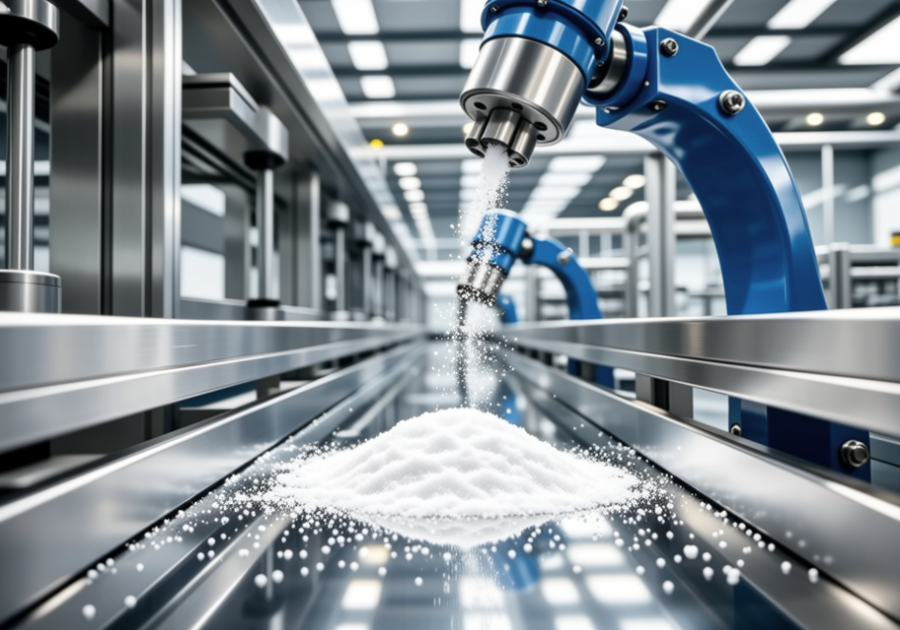
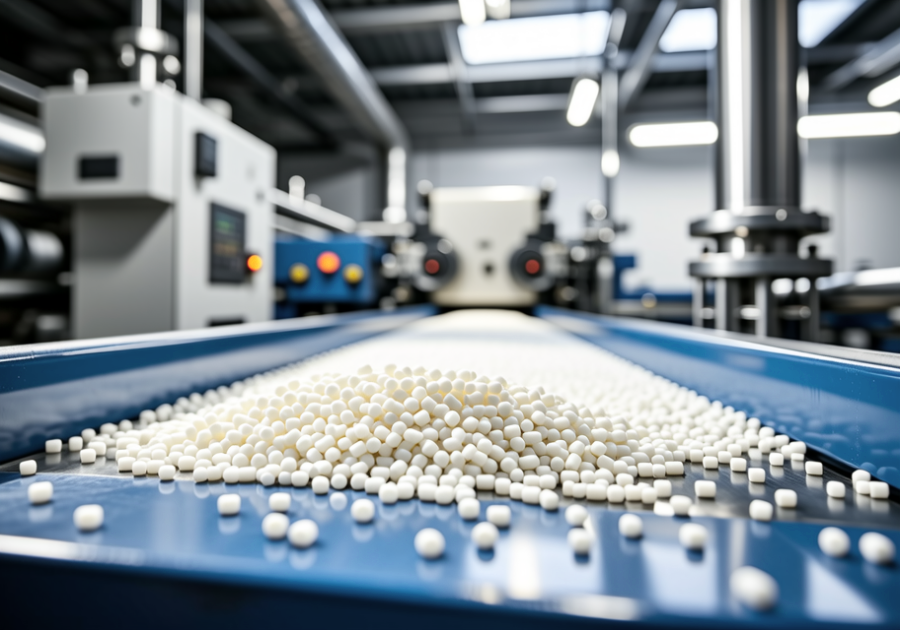
Water-based coating has become a strong agent for VOCs emission reduction!
At present, China is in an important stage of implementing VOCs emission control.
Industrial coating is the main source of VOCs emission. Therefore, to realize the effective control of VOCs waste gas is the main environmental responsibility faced by industrial coating enterprises. It can be seen from the comparison between the new and old versions of the national compulsory coating standards that the two new versions of the standards are more widely applicable, with more detailed product categories, more stringent technical requirements, more comprehensive testing items and more detailed testing methods.
After the implementation of the new coating standard, it will promote the overall structure of industrial protective coatings in China to be more optimized, accelerate the process of environmental protection, further promote the technical progress of the relevant coating industry, and guide the healthy development of the coating industry. 01. The main factors that influence VOCs emission in the industrial coating industry are: coating process, process; type of raw and auxiliary materials for coating.
From the perspective of coating process, the current mainstream coating process in China's coating industry is divided according to the principle, mainly including: (1) roll brush coating, (2) AIR spraying, (3) airless spraying, (4) electrostatic spraying, (5) spray coating, (6) roll coating, (7) dip coating, (8) electrophoretic coating, (9) powder coating, of which spraying (air / airless) is the most widely used. Because no organic solvent is used in powder coating, VOCs Pollution is basically not produced. Type of raw and auxiliary materials for industrial coating VOCs in industrial coating industry mainly comes from the use of organic solvents such as coating / paint, diluent (solvent), curing agent, adhesive and cleaning agent. According to different solvents, coatings can be divided into solvent based coatings, waterborne coatings and UV coatings. Solvent based coating is a kind of coating which takes organic matter as solvent completely.
The VOCs content in the coating is high, and the organic solvent must be added as dilution in the use process. Therefore, solvent based coating is the main source of VOCs in the coating industry. According to the investigation, the VOCs content of materials in the coating process is 2% for powder coating, 15% for water-based coating, 100% for diluent, 40-45% for curing agent and 100% for cleaning agent. The specific VOCs components in waste gas generally include xylene, toluene, Ethylbenzene, trimethylbenzene, ethyl acetate and Butyl Acetate.

You May Interested In


High Quality β-Nicotinamide adenine dinucleotide CAS 53-84-9 NADwith ready stock and best price
$3/UNIT FOB


2026-10-12
Trade Alert
Delivering the latest product trends and industry news straight to your inbox.
(We'll never share your email address with a third-party.)

Related News
-
Fluorine-Free Superhydrophobic Coating Made from Cellulose Nanofibrils
-
South Korea to Impose Anti-Dumping Duties on Caustic Soda: Chinese Mainland Firms Face Up to 22.21%, Taiwan Region 38.89%
-
EAEU Initiates Review of Anti-Dumping Measures on Chinese Titanium Dioxide, Suspends Duties During Investigation
-
Three Major Indian Chemical Investments Target China's PC Exports
-
Pakistan Launches Successive Anti-dumping Investigations against Chinese Products, Involving Soda Ash, Ibuprofen and Other Raw Materials
-
South Korea Initiates Anti-Dumping Probe on Chinese PVC Suspension Resin, Involving Tianjin Bohua and Wanhua Chemical
-
China Keeps Registering Pesticides
-
India Launches Anti-Dumping Probe into PET Film from China, Singapore, Thailand and the UAE
-
INEOS Warns Chinese Chemical “Dumping” Is Hitting Europe’s Industry
-
Covestro Builds New 660,000-ton MDI Plant in China: Global Supply Gap Meets Chinese Overcapacity Head-On
Recommend Reading
-
![When the Skin of Ships Gets More Expensive: A 30% Price Shock Is Quietly Rewriting the Cost Floor of Global Shipping]()
When the Skin of Ships Gets More Expensive: A 30% Price Shock Is Quietly Rewriting the Cost Floor of Global Shipping
-
![From Coffee Waste to Superfood Additive: EU Declares Pectin-Rich Arabica Extract Safe for Food Use]()
From Coffee Waste to Superfood Additive: EU Declares Pectin-Rich Arabica Extract Safe for Food Use
-
![Honeywell Acquires Johnson Matthey Catalyst Business at a Discount, Cutting £475 Million from the Price]()
Honeywell Acquires Johnson Matthey Catalyst Business at a Discount, Cutting £475 Million from the Price
-
![Australia Approves Lab-Grown “Milk Sugar” for Babies—A Breakthrough in Infant Nutrition]()
Australia Approves Lab-Grown “Milk Sugar” for Babies—A Breakthrough in Infant Nutrition
-
![EU May Build Industry-Level Trade Barriers Against Chinese Chemicals]()
EU May Build Industry-Level Trade Barriers Against Chinese Chemicals
-
![Business Society September 24, 2026 LLDPE Trend Analysis: Clear Downtrend]()
Business Society September 24, 2026 LLDPE Trend Analysis: Clear Downtrend
-
![Geopolitical Expectations Reversal Drags Down Crude Oil, Wednesday's Plunge Exceeds 5%]()
Geopolitical Expectations Reversal Drags Down Crude Oil, Wednesday's Plunge Exceeds 5%
-
![September Pure Benzene Market Overview (September 1, 2026 - September 30, 2026) in China]()
September Pure Benzene Market Overview (September 1, 2026 - September 30, 2026) in China
-
![Following Cost Fluctuations, PTA Prices in China Rose First and Then Declined in September]()
Following Cost Fluctuations, PTA Prices in China Rose First and Then Declined in September
-
![Business Society September 24, 2026 PP (Fiber) Trend Analysis: Volatility]()
Business Society September 24, 2026 PP (Fiber) Trend Analysis: Volatility