What is common compounds in everyday life? Top 8 compounds
You probably don’t think about chemistry when you stir sugar into your coffee, brush your teeth, or drizzle vinegar on a salad. But every one of those actions involves chemical compounds—substances formed when two or more different types of atoms bond together in fixed ratios. And far from being confined to labs, these compounds are woven into the fabric of daily life.
Take water, for instance. It’s so ordinary we overlook it, yet it’s one of the most extraordinary compounds on Earth. Two hydrogen atoms bonded to one oxygen atom—simple, yes, but its polarity (thanks to that uneven electron sharing) gives water the power to dissolve salts, carry nutrients in our blood, and even shape the structure of proteins. Without those hydrogen bonds between molecules, ice would sink, lakes would freeze solid, and life as we know it might never have emerged.
Then there’s sucrose—what we call table sugar. It’s not a “mixture” of glucose and fructose; it’s a single molecule where those two simple sugars are chemically locked together by a glycosidic bond. That bond must be broken—by enzymes in your gut or by heat in caramelization—before your body can use the energy inside. Bakers rely on sucrose not just for sweetness, but for texture, browning, and moisture retention in everything from cookies to custards.
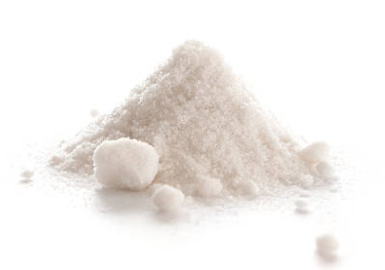
Your salt shaker holds another classic: sodium chloride. This ionic compound forms when sodium donates an electron to chlorine, creating oppositely charged ions that stack into perfect cubic crystals. In water, those crystals fall apart into free-floating Na⁺ and Cl⁻ ions—which is why salty water conducts electricity. Most table salt today is “iodized,” meaning a tiny amount of potassium iodide is added to prevent thyroid disorders, a public health move that’s saved millions from goiter since the 1920s.
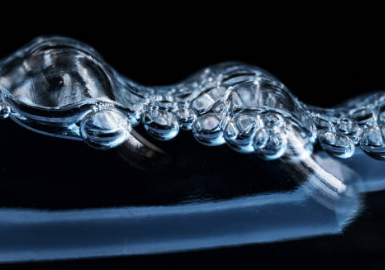
Ever wonder how soap cuts through grease? Soaps are salts of fatty acids—long hydrocarbon tails (oil-loving) attached to a charged head (water-loving). This dual nature lets them surround grease droplets and pull them into water, where they rinse away. Whether it’s bar soap or liquid dish detergent, the chemistry is the same: turn immiscible oil and water into a washable emulsion.
Toothpaste might seem like a simple paste, but it’s a carefully engineered mix. The key active ingredient? Usually sodium fluoride or stannous fluoride. These compounds release fluoride ions that react with tooth enamel (mostly hydroxyapatite) to form fluorapatite—a harder, acid-resistant mineral that slows decay. Add abrasives like calcium carbonate, humectants to keep it moist, and mint for freshness, and you’ve got a daily defense against cavities.
When your cake rises in the oven, thank baking powder. It’s not a single compound but a dry blend of a base (usually sodium bicarbonate) and one or more weak acids (like cream of tartar or sodium aluminum sulfate). When wetted, they react to produce carbon dioxide gas—not CO, which is poisonous, but CO₂, the same bubbles in soda. Those gas pockets expand in heat, giving muffins their fluff.
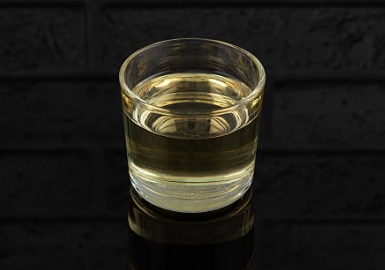
Vinegar? That sharp tang comes from acetic acid, typically at 4–8% concentration in water. It’s made when Acetobacter bacteria oxidize ethanol (from wine, cider, or grain) in the presence of oxygen. Beyond salad dressings, vinegar’s acidity makes it a natural cleaner—it dissolves mineral deposits, kills some microbes, and even deodorizes surfaces.
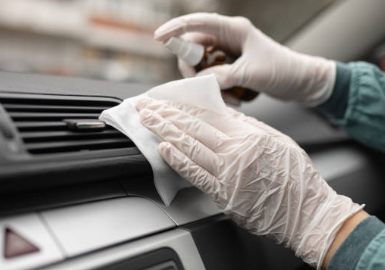
And alcohol—specifically ethanol—isn’t made by bacteria, but by yeast. During fermentation, yeast metabolizes sugars and produces ethanol and CO₂ as byproducts. That’s how beer, wine, and spirits are born. Outside drinks, ethanol’s ability to denature proteins makes it a go-to disinfectant (70% solutions work best—they penetrate cells better than pure alcohol).
All these compounds—water, sugar, salt, soap, fluoride, baking agents, acetic acid, ethanol—share one thing: they’re not elements. They’re combinations, crafted by nature or industry, each with properties that emerge only when specific atoms link in precise ways. A sodium atom explodes in water; chlorine gas is toxic. But together? Table salt. Harmless. Essential.
That’s the quiet magic of compounds: they transform the dangerous or dull into the useful, the edible, the life-sustaining. You don’t need a lab coat to encounter them—you just need to live your day.
Looking for chemical products? Let suppliers reach out to you!
You May Interested In


Glow70/KLOW80 99% China Peptides Warehouse Direct Delivery Lyophilized Powder in Stock
$169/UNIT FOB


2026-10-16
Trade Alert
Delivering the latest product trends and industry news straight to your inbox.
(We'll never share your email address with a third-party.)

Related News
-
Everyday Surprising Compounds Used In Daily Life
-
What are Some Compounds We Use Everyday You may Not Know About
-
EU evaluates the safety of 3 compounds as feed additives
-
Calcium Sulfate: Properties, Uses, and Applications
-
Key Properties and Applications of Para-Nitrophenol
-
Understanding Reactions Between Silver and Chloride
-
Hydrobromic Acid: Properties, Uses, and Safety
-
Dimethyl Carbonate: Properties and Industrial Applications
-
Potassium Carbonate: Properties, Uses, and Applications
-
Cocamidopropyl Betaine: Uses, Benefits, and Safety
Recommend Reading
-
![Benzyl Alcohol: Uses in Cosmetics, Preservative Efficacy, and Safety]()
Benzyl Alcohol: Uses in Cosmetics, Preservative Efficacy, and Safety
-
![Ammonia Chemical Formula: NH3 Structure & Properties]()
Ammonia Chemical Formula: NH3 Structure & Properties
-
![Oxalic Acid: Acidity (pKa), Sources, and Kidney Stone Risk]()
Oxalic Acid: Acidity (pKa), Sources, and Kidney Stone Risk
-
![What is a Surfactant? (Definition, Types, and How They Work)]()
What is a Surfactant? (Definition, Types, and How They Work)
-
![Isopropyl Alcohol (IPA) vs Ethanol: Which Solvent or Disinfectant is Better?]()
Isopropyl Alcohol (IPA) vs Ethanol: Which Solvent or Disinfectant is Better?
-
![Business Society September 23, 2026 Ethanol Trend Analysis: Bearish Oscillations]()
Business Society September 23, 2026 Ethanol Trend Analysis: Bearish Oscillations
-
![Business Society’s Market Outlook for Hydrofluoric Acid on September 4, 2026: Price Trend Is Volatile]()
Business Society’s Market Outlook for Hydrofluoric Acid on September 4, 2026: Price Trend Is Volatile
-
![Business Society September 24, 2026 Formic Acid Trend Analysis: Clear Downtrend]()
Business Society September 24, 2026 Formic Acid Trend Analysis: Clear Downtrend
-
![Business Society’s Market Outlook for DOP on September 4, 2026: Strong Rebound]()
Business Society’s Market Outlook for DOP on September 4, 2026: Strong Rebound
-
![Business Society September 24, 2026 Acrylic Acid Trend Analysis: Weak Rebound]()
Business Society September 24, 2026 Acrylic Acid Trend Analysis: Weak Rebound