What are facts about scandium the element? Know more
What are the facts about scandium the element? Scandium is one of the rare earth and a silvery-white metallic chemical element. It can be found in these natural ore deposits: monazite, bastnäsite, xenotime and ilmenite. Scandium compounds are mainly used as alloying agents to modify the properties of other elements or as catalysts. Scandium itself is usually present in trace amounts in alloys. Elemental scandium is a rare, silvery-white and soft metal that resembles hafnium and titanium to a lesser extent. It is even lighter than aluminium but more robust than the latter.
Facts about scandium, the element
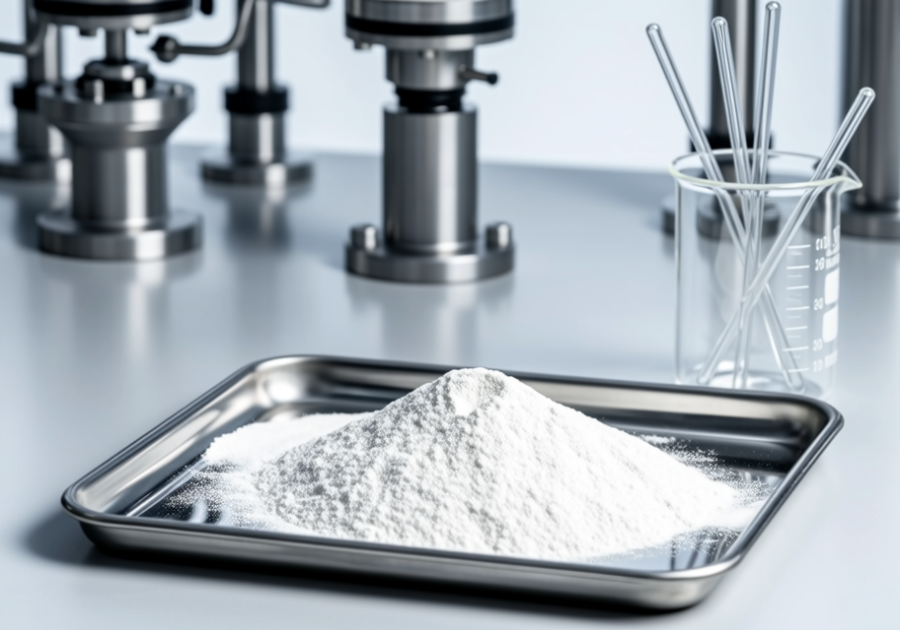
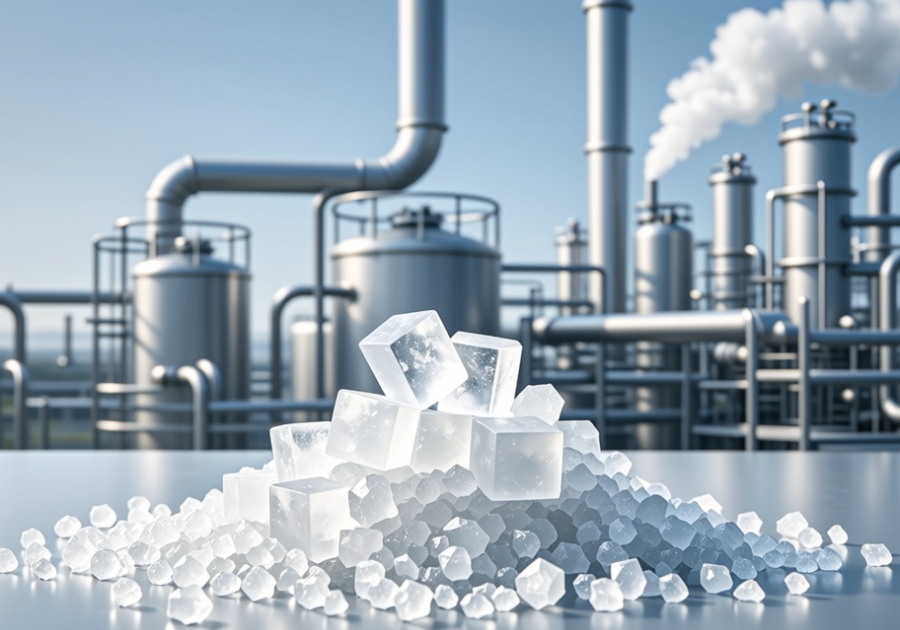
Below is the list of facts about the element, with a picture for more detailed information.
1. Scandium is one of the rare earth.
The rare earth is a group of seventeen chemical elements that are typically found together in nature in their very rare earth minerals but can also be economically and technologically separated from their minerals. The group contains fifteen lanthanides and three actinide elements. Commonly used rare earth metals include cerium, praseodymium, neodymium, and promethium; lanthanides include lutetium and yttrium; the primary actinide is plutonium.
2. Scandium is a metal.
Scandium is a silvery-white metal that resembles hafnium and titanium to a lesser extent. It's even lighter than aluminium but more robust than the latter. Pure scandium has a silver colour, but it tarnishes rapidly to a yellowish colour when exposed to air (The oxide of scandium is red). Scandium is somewhat toxic; the human body can absorb 1% of its mass through the skin. Scandium compounds are mainly used as alloying agents to modify the properties of other elements or as catalysts. It is commonly found in reactive forms such as chlorine and silicon carbide.
3. It is one of the least abundant elements.
Scandium's abundance in nature is about the same as gold, more than that of platinum. It has a melting point lower than that of any other metal. Its abundance in earth's crust is only about a hundredth of thallium, less than caesium, and a thousandth that of lead.
4. Scandium is a requirement for life.
Because of its high reactivity, scandium will never be found in nature without the presence of other elements, such as calcium and magnesium. Because of this, scandium is essential for life.
5. Scandium is used to make some essential compounds.
Scandium compounds are most likely to be found in reactive forms (chlorine or silicon) because they have a very high reactivity - up to 25% (see below). The element is needed to make some essential compounds such as titanium dioxide and tetrachloride incombustible and useful transparent pigment, which can be used in paints. It also helps in making catalysts. For this reason, only traces of scandium are found in nature.
6. Scandium is used in alloys.
Elemental scandium is a rare, silvery-white and soft metal that resembles hafnium and titanium to a lesser extent. It is even lighter than aluminium,but more potent than the latter. It can be added to some alloys to produce strong but very light parts with good corrosion resistance.
7. Scandium compounds are primarily used as alloying agents to modify the properties of other elements or as catalysts.
The element is common in reactive forms such as chlorine, silicon carbide and sulfate. Scandium compounds are most likely to be found in reactive forms (chlorine or silicon) because they have a very high reactivity - up to 25% and an even higher decomposition temperature (see below). The element is needed to make some essential compounds such as titanium dioxide and tetrachloride incombustible and useful transparent pigment, which can be used in paints. It also helps in making catalysts. For this reason, only traces of scandium are found in nature.
8. Scandium has many uses, especially in alloys.
What are the facts about scandium the element? Scandium is used to make essential compounds such as titanium dioxide and tetrachloride incombustible and useful transparent pigment, which can be used in paints. It also helps in making catalysts. For this reason, only traces of scandium are found in nature.
9. Scandium has a few essential uses but it is a requirement for life.
Because of its high reactivity, scandium will never be found in nature without the presence of other elements, such as calcium and magnesium. Because of this, scandium is essential for life but only traces of it are found in nature.
Conclusion
What are facts about scandium the element? The scandium (Sc) is part of the group of rare earth metals. Other elements in this group are lanthanum, cerium, praseodymium, neodymium, promethium, samarium and europium. Rare earth metals are a group of elements which occur together in nature and have similar chemical properties.
Looking for chemical products? Let suppliers reach out to you!
You May Interested In


Glow70/KLOW80 99% China Peptides Warehouse Direct Delivery Lyophilized Powder in Stock
$169/UNIT FOB


2026-10-18
Trade Alert
Delivering the latest product trends and industry news straight to your inbox.
(We'll never share your email address with a third-party.)

Related News
-
What Is Cool Facts About Scandium
-
Tert Butylate: Properties and Applications
-
Sodium Pentothal: Medical Applications and Safety
-
Sodium Benzoate (E211): Safety, Benzene Risk, and Preservative Uses
-
Ascorbyl Palmitate: Properties, Uses, and Benefits
-
Ammonia Chemical Formula: NH3 Structure & Properties
-
Benzyl Alcohol: Uses in Cosmetics, Preservative Efficacy, and Safety
-
Magnesium Stearate in Supplements: Is it Safe? (Vegan Status & Function)
-
Sodium Chloride (NaCl): Food Grade vs Industrial Grade Uses & Safety Data
-
Chemical Raw Materials: How to Source Quality Suppliers & Understand Grades
Recommend Reading
-
![Polystyrene (PS): Properties, Foam Applications, and Recycling Challenges]()
Polystyrene (PS): Properties, Foam Applications, and Recycling Challenges
-
![EDTA (Ethylenediaminetetraacetic acid): Chelation Therapy & Industrial Uses]()
EDTA (Ethylenediaminetetraacetic acid): Chelation Therapy & Industrial Uses
-
![Bivalirudin: Medical Uses, Properties, and Safety]()
Bivalirudin: Medical Uses, Properties, and Safety
-
![Calcium Hypochlorite: Properties, Uses, and Safety]()
Calcium Hypochlorite: Properties, Uses, and Safety
-
![What is the Formula for Ammonia? (NH3 Structure & Properties)]()
What is the Formula for Ammonia? (NH3 Structure & Properties)
-
![Vendor Shipment Surge Halts Mid-October PC Price Increase]()
Vendor Shipment Surge Halts Mid-October PC Price Increase
-
![Change Rate Remains Positive, This Round of Refined Oil Retail Prices in China Is About to Increase]()
Change Rate Remains Positive, This Round of Refined Oil Retail Prices in China Is About to Increase
-
![Soda Ash Market Trends Remain Stable]()
Soda Ash Market Trends Remain Stable
-
![Premium Global Chemical Sourcing Requests (3-7 Nov 2025)]()
Premium Global Chemical Sourcing Requests (3-7 Nov 2025)
-
![Ammonium Sulfate Market Trend in October Shows a Strong Increase in China]()
Ammonium Sulfate Market Trend in October Shows a Strong Increase in China