EnviroShield: New Coatings Block Stains, Odors, More
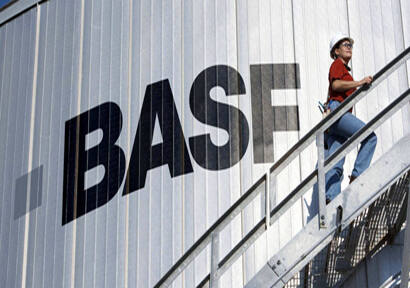
German chemicals giant, BASF, has announced its decision to stop Toluene diisocyanate (TDI) production at its Ludwigshafen production facility, due to fall in Water levels in the Rhine river to an “all-time low”.
In a press statement, the company said the despite efforts to shift to alternative means of transport such as pipeline, trucks and rail, “not all raw materials can be supplied” to the site. “Therefore, BASF will have to stop the TDI production in Ludwigshafen,” it said. The restart of production will depend on improved Rhine water level, said BASF, adding it will be in “close contact” with customers.
TDI is a key chemical for production of polyurethane flexible foams and non-foam urethanes.
BASF had announced in August that it had to cut back part of its production due to low Rhine levels, but did not specify which products were affected.
Covestro, another key German chemicals player, had also that its operations were interrupted by the low water levels in Rhine. The company had lowered earnings (EBITDA) to “slightly below” the level of 2017 due to stronger-than-expected competition and the low water level of the Rhine river, which has resulted in production losses and higher logistics costs. The River rhine is a key transport route for the European chemical industry. This is because many of the industry’s plants are located on the river. Low water levels reduce the number of chemical barges that can navigate the river. This means lower production for plants on the river, such as Leverkusen, Dormagen and Ludwigshafen.

You May Interested In


High Quality β-Nicotinamide adenine dinucleotide CAS 53-84-9 NADwith ready stock and best price
$3/UNIT FOB


2026-10-18
Trade Alert
Delivering the latest product trends and industry news straight to your inbox.
(We'll never share your email address with a third-party.)

Related News
-
The Continuous Procurement Programme Of 47 National Varieties Has Come
-
Hormuz in Crisis: Freight Rates Surge to $6,000 as Global Trade Feels the Shock
-
Saudi Aramco’s 400,000 bpd Jazan Refinery Shuts After Attack
-
Hormuz Closes, Paint Feels It First: How a Barrel of Oil Rewrites the Cost of Every Barrel of Coatings
-
Evonik Releases Financial Results Statement and Expects No Recovery in Global Chemical Market Demand in 2026
-
End of an Era: KDC/One to Close 150-Year-Old Somerset Cosmetics Factory as Production Shifts to Scotland
-
Libya’s Largest Refinery Faces Full Shutdown After Five Rounds of Airstrikes
-
SIBUR’s Massive Siberian Petrochemical Complex Shuts After Drone Attack, LPG Supply Disrupted
-
Japan Extends Bisphenol A Anti-Dumping Probe, Prolonging Uncertainty for Korean and Taiwanese Suppliers
-
Two Contractors Hospitalized After Deflagration at BASF Ludwigshafen Site
Recommend Reading
-
![U.S.-Iran Détente Triggers Oil Price Plunge, Energy and Chemical Sectors Tumble]()
U.S.-Iran Détente Triggers Oil Price Plunge, Energy and Chemical Sectors Tumble
-
![Kraton Announces Strategic Plan to Streamline Polymer Operations in Berre, France]()
Kraton Announces Strategic Plan to Streamline Polymer Operations in Berre, France
-
![Celanese Raises Acetyl Chain Prices Globally, VAM Up $150/MT in Latin America]()
Celanese Raises Acetyl Chain Prices Globally, VAM Up $150/MT in Latin America
-
![UAE Breaks Ground on World’s First Gigascale Round-the-Clock Renewable Energy Project, Setting a New Global Standard For Clean Energy]()
UAE Breaks Ground on World’s First Gigascale Round-the-Clock Renewable Energy Project, Setting a New Global Standard For Clean Energy
-
![Laboratoire PYC showcases its collagen-driven nutricosmetic innovations]()
Laboratoire PYC showcases its collagen-driven nutricosmetic innovations
-
![Geopolitical Risks Escalate, Acrylonitrile Prices Rise Driven by Cost Increases in China]()
Geopolitical Risks Escalate, Acrylonitrile Prices Rise Driven by Cost Increases in China
-
![Geopolitical Tensions Intensify, Causing a Significant Increase in Polyester Chip Prices]()
Geopolitical Tensions Intensify, Causing a Significant Increase in Polyester Chip Prices
-
![Butadiene Rubber Market Prices Rise Sharply]()
Butadiene Rubber Market Prices Rise Sharply
-
![“No Artificial Colors” Gets Redefined—Why FDA’s Labeling Shift Is Roiling the Food Additive World]()
“No Artificial Colors” Gets Redefined—Why FDA’s Labeling Shift Is Roiling the Food Additive World
-
![Bull and Bear Factors Intertwined, Polyethylene at High Levels with Fluctuations]()
Bull and Bear Factors Intertwined, Polyethylene at High Levels with Fluctuations