




OPEC July oil output hits 2018 peak, but outages weigh: Reuters survey
LONDON (Reuters) - OPEC oil output has risen this month to a 2018 high as Gulf members pumped more after a deal to ease supply curbs and Congo Republic joined the group, a Reuters survey found, although losses from Libya limited the increase.
The Organization of the Petroleum Exporting Countries has pumped 32.64 million barrels per day in July, the survey on Monday found, up 70,000 bpd from June’s revised level and the highest this year with Congo added.
OPEC and allies agreed last month to boost supply as U.S. President Donald Trump urged producers to offset losses caused by new U.S. sanctions and to dampen prices LCOc1, which this year hit $80 a barrel for the first time since 2014.
On June 22-23, OPEC, Russia and other non-members agreed to return to 100 percent compliance with oil output cuts that began in January 2017, after months of underproduction in Venezuela and elsewhere pushed adherence above 160 percent.
Saudi Arabia said the decision would translate into an output rise of about 1 million bpd.
OPEC’s collective adherence with supply targets has slipped to 111 percent in July from a revised 116 percent in June, the survey found, meaning it is still cutting more than agreed.
KUWAIT, UAE
Following the OPEC decision, Kuwait and the United Arab Emirates raised output by 80,000 bpd and 40,000 bpd respectively in July, the survey found.
The bulk of the Saudi supply boost appears to have been delivered in June as Riyadh tapped storage tanks to push supply to 10.60 million bpd, near a record high. The increase surprised other OPEC members with its scale.
Riyadh has boosted supply in July by a further 50,000 bpd from June’s revised level, the survey found, because domestic crude use in refineries and power plants has risen while exports have held close to June’s rate.
Supply in Nigeria, often curbed by unplanned outages, rose by 50,000 bpd. Royal Dutch Shell’s Nigerian venture lifted force majeure on Bonny Light crude exports. Nigeria and Libya were exempt from the original supply-cutting deal.
Iraq also increased supply as exports rose from the country’s southern terminals.
Output in Libya, which remains volatile due to unrest, edged down. Fields in eastern Libya resumed production after a standoff at export terminals ended, but output was cut mid-month at the largest oilfield, Sharara.
Production also slipped in Venezuela, where the oil industry is starved of funds because of economic crisis, and in Angola due to lower exports in July against a backdrop of natural decline at oilfields.
The addition of Congo Republic to OPEC in June has added about 320,000 bpd to production and, coupled with the increases by existing members, has lifted OPEC output in July to the highest since October 2017 according to Reuters surveys.
Before Congo joined, OPEC had an implied production target for 2018 of 32.78 million bpd, based on cutbacks detailed in late 2016 and Nigeria and Libya’s expectations of 2018 output.
According to the survey, OPEC excluding Congo pumped about 460,000 bpd below this implied target in July.
The survey aims to track supply to market and is based on shipping data provided by external sources, Thomson Reuters flows data and information provided by sources at oil companies, OPEC and consulting firms.

You May Interested In


High Quality β-Nicotinamide adenine dinucleotide CAS 53-84-9 NADwith ready stock and best price
$3/UNIT FOB


2026-10-16
Trade Alert
Delivering the latest product trends and industry news straight to your inbox.
(We'll never share your email address with a third-party.)

Related News
-
Three Major Indian Chemical Investments Target China's PC Exports
-
LG Chem Enters Semiconductor Stripper Market for the First Time, Cutting Process Time by 50%
-
New Ocean Freight GRI Takes Effect on Asia, Middle East and Africa Routes to U.S. and Canada
-
Global Chemical Giants Light the Fuse: A TDI/MDI Price Storm Sweeps Asia and Europe—Who’s Fueling This “Cost Carnival”?
-
Chemicals Take the Hit as China's Markets Thin Out — Wanhua, Juhua Chemical Slide Over 2%
-
Wanhua Shuts 1.1 Million-Tonne Yantai MDI Unit for 45-Day Maintenance
-
Lianolong Bets Big on Electronic Adhesives with $50M Strategic Stake in Sidofu
-
Sichuan Unveils Revised List of 14 Qualified Chemical Parks in Major Industrial Realignment
-
Antidumping Pressure Hits the Chemical Chain as Chinese Exports Face Higher Barriers in Europe
-
A $25 Billion Bill Hits Global Companies as Chemical Costs Are Repriced
Recommend Reading
-
![UAE Breaks Ground on World’s First Gigascale Round-the-Clock Renewable Energy Project, Setting a New Global Standard For Clean Energy]()
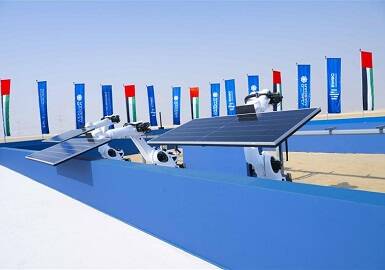
UAE Breaks Ground on World’s First Gigascale Round-the-Clock Renewable Energy Project, Setting a New Global Standard For Clean Energy
-
![Behind the Three Consecutive Titanium Dioxide Price Hikes, Sulfur and Sulfuric Acid Costs Are Rewriting the Pricing Floor]()
Behind the Three Consecutive Titanium Dioxide Price Hikes, Sulfur and Sulfuric Acid Costs Are Rewriting the Pricing Floor
-
![German Chemical Industry Posts Q2 Rebound but Capacity Utilization Remains at 73.2%]()
German Chemical Industry Posts Q2 Rebound but Capacity Utilization Remains at 73.2%
-
![High Crude Prices Are Passing Through the Coatings Chain as More Than 20 Companies Launch Price Increases]()
High Crude Prices Are Passing Through the Coatings Chain as More Than 20 Companies Launch Price Increases
-
![25 Companies Raise Prices Three Times Within a Month: China’s Titanium Dioxide Industry Shifts from “Price Wars” to a “Pricing Alliance”]()
25 Companies Raise Prices Three Times Within a Month: China’s Titanium Dioxide Industry Shifts from “Price Wars” to a “Pricing Alliance”
-
![Weak Demand Weighs on Butadiene Market]()
Weak Demand Weighs on Butadiene Market
-
![Entering the Off-Season for Consumption, ABS Prices Continue to Fall in May]()
Entering the Off-Season for Consumption, ABS Prices Continue to Fall in May
-
![Weak demand leads to a fluctuating decline in phthalic anhydride prices this week in China]()
Weak demand leads to a fluctuating decline in phthalic anhydride prices this week in China
-
![May China Maleic Anhydride Market Trend Fluctuates and Rises]()
May China Maleic Anhydride Market Trend Fluctuates and Rises
-
![October China Urea Market First Depressed Then Improved]()
October China Urea Market First Depressed Then Improved





- Hot Searches
- sodium nitrite for sale
- sigmoid vulvulous
- can you buy sulfur hexafluoride
- price of retatrutide
- retatrutide sale online
- pre-gelatinized starch
- dextroamphetamine sulfate
- mecoprop herbicide
- sodium carbonate material safety data sheet
- food defoamer
- butyl glycol suppliers
- sodium sulphate cost