




What Is Ca3(PO4)2? – Key Facts and Safety Notes
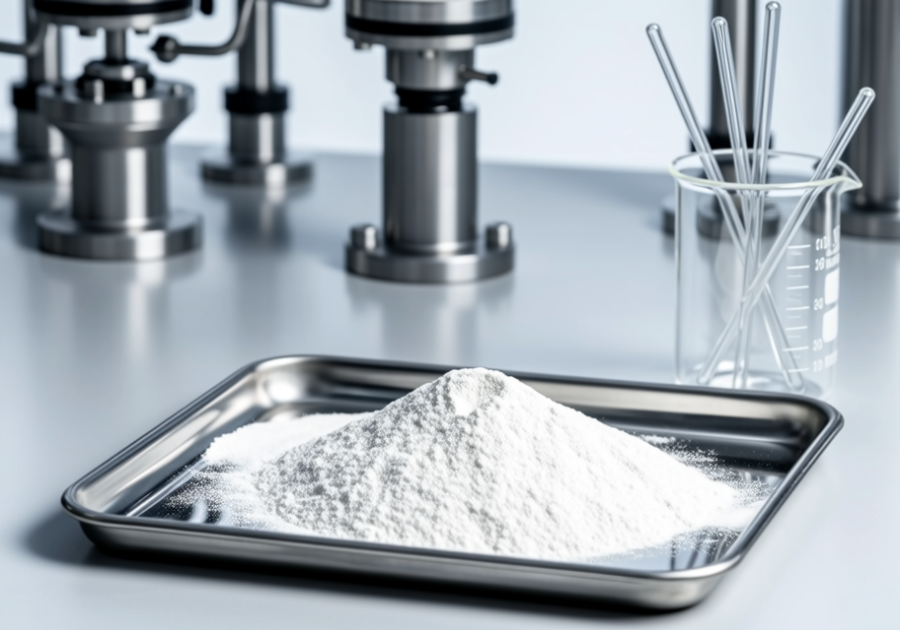
You’ve probably consumed calcium phosphate without even realizing it. It’s in your multivitamin, your fortified plant milk, maybe even your toothpaste. Chemically, it’s written as Ca₃(PO₄)₂, but you’ll more often see it labeled as tricalcium phosphate—especially on supplement bottles or food ingredient lists. Despite the technical name, it’s a remarkably familiar compound: it’s one of the main minerals that make up your bones and teeth.
Unlike table salt or sugar, calcium phosphate doesn’t dissolve easily in plain water. That might sound like a drawback, but it’s actually part of why it works so well in the body. In the acidic environment of your stomach, it gently breaks down, releasing calcium and phosphate ions that your intestines can absorb. This controlled release is one reason it’s a popular choice in dietary supplements—it’s less likely to cause sudden spikes in blood calcium compared to more soluble forms.
And yes, your body knows exactly what to do with it. Calcium and phosphate are the building blocks of hydroxyapatite, the crystalline structure that gives bone its strength. When you’re growing, healing a fracture, or maintaining bone density as you age, your cells constantly remodel this mineral matrix—dissolving tiny amounts where needed and rebuilding elsewhere. The slight solubility of calcium phosphate in slightly acidic conditions (like those created by cellular activity or soil microbes) makes this dynamic process possible—not just in humans, but in plants too. Farmers sometimes use it in fertilizers because roots can access the calcium when organic acids or CO₂ in the soil create just enough acidity to free it up.
If you’re taking it as a supplement, a few practical tips go a long way. Always take it with food—not just to avoid an upset stomach, but because chewing triggers stomach acid production, which helps unlock the calcium. Wash it down with a full glass of water, and don’t skip vitamin D; without it, your body struggles to absorb and retain calcium efficiently. And store the bottle somewhere cool and dry—moisture can cause tablets to degrade or clump over time.
Now, is it safe? For nearly everyone, yes—when used as directed. Tricalcium phosphate has been used in food and medicine for decades and is generally recognized as safe by health authorities worldwide. That said, like almost anything, extreme overconsumption can cause issues—but we’re talking about doses far beyond what’s in any standard supplement. In industrial settings, inhaling fine powder over long periods might irritate the lungs, and direct skin contact with large amounts could cause dryness, but these scenarios don’t apply to normal dietary or supplemental use.
You might also hear concerns about nanoparticle forms of calcium phosphate, which are used in some advanced dental coatings or cosmetic formulations. Early research shows these tiny particles aren’t inherently toxic at typical exposure levels. The body tends to clear them naturally, though scientists continue to study how they behave if they accumulate in large clusters. For now, regulatory agencies consider them safe in approved applications.
One thing to keep in mind: calcium doesn’t work in isolation. It interacts with other minerals—especially magnesium and phosphorus. If your diet is already high in phosphates (from processed foods, sodas, or additives), adding excessive calcium without balance might subtly affect magnesium uptake. That’s why whole-food sources or well-formulated supplements that include cofactors like vitamin K2 and magnesium often work better than isolated high-dose calcium alone.
So, is calcium phosphate natural? Absolutely. It’s mined from rock phosphate deposits, purified, and used in everything from baby formula to bioceramics for bone grafts. Your own skeleton contains kilograms of it. The version in your supplement is simply a clean, consistent source of the same mineral your body has relied on for millions of years.
In short: Ca₃(PO₄)₂ isn’t just a chemical formula—it’s foundational to life. Whether you’re supporting bone health, fortifying food, or helping crops grow, tricalcium phosphate plays a quiet but essential role. Used wisely, it’s both effective and safe.
Looking for chemical products? Let suppliers reach out to you!
You May Interested In


Glow70/KLOW80 99% China Peptides Warehouse Direct Delivery Lyophilized Powder in Stock
$169/UNIT FOB


2026-10-20
Trade Alert
Delivering the latest product trends and industry news straight to your inbox.
(We'll never share your email address with a third-party.)

Related News
-
Calcium Phosphate Uses: Food, Supplements & Industrial Applications
-
Cytosine: Structure, DNA Pairing, and Role in Genetics
-
Bovine Serum Albumin (BSA): Role in Cell Culture & Laboratory Applications
-
Iohexol: Properties, Uses, and Safety
-
Isobutyl: Properties, Uses, and Industrial Applications
-
HNO2 (Nitrous Acid): Properties, Uses, and Safety
-
Heptane: Properties, Uses, and Industrial Applications
-
Sodium Hypochlorite: Uses, Concentration Guide, and Critical Safety Hazards
-
Isopropyl Alcohol (IPA) vs Ethanol: Which Solvent or Disinfectant is Better?
-
Applications of Caesium Iodide
Recommend Reading
-
![Chemical Properties and Uses of Tetraetil]()
Chemical Properties and Uses of Tetraetil
-
![Bivalirudin: Medical Uses, Properties, and Safety]()
Bivalirudin: Medical Uses, Properties, and Safety
-
![Calcium Hypochlorite: Properties, Uses, and Safety]()
Calcium Hypochlorite: Properties, Uses, and Safety
-
![Thymol Gel Wins EPA Approval for Beekeepers]()
Thymol Gel Wins EPA Approval for Beekeepers
-
![Sodium Nitrate: Fertilizer, Food Curing, and Explosive History]()
Sodium Nitrate: Fertilizer, Food Curing, and Explosive History
-
![关于将二氟乙咪酯等16种物质列入《非药用类麻醉药品和精神药品目录》的公告 Announcement on the Inclusion of 16 Substances including Difluoroetomidate in the Catalogue of Non-Medicinal Narcotic Drugs and Psychotropic Substances]()
关于将二氟乙咪酯等16种物质列入《非药用类麻醉药品和精神药品目录》的公告 Announcement on the Inclusion of 16 Substances including Difluoroetomidate in the Catalogue of Non-Medicinal Narcotic Drugs and Psychotropic Substances
-
![Demand Performance Flat, November Polyester Staple Fiber Prices Fluctuate and Weaken in China]()
Demand Performance Flat, November Polyester Staple Fiber Prices Fluctuate and Weaken in China
-
![Improved Supply-Demand Dynamics Drive PTA Prices to Fluctuate and Rise in November]()
Improved Supply-Demand Dynamics Drive PTA Prices to Fluctuate and Rise in November
-
![China's Soda Ash Market Remains Stable]()
China's Soda Ash Market Remains Stable
-
![Support Turns from Strong to Weak, Shandong n-Butanol Prices Decrease by Over 10% in April]()
Support Turns from Strong to Weak, Shandong n-Butanol Prices Decrease by Over 10% in April






- Hot Searches
- glp-3 retatrutide for sale
- best place to buy retatrutide peptides
- 4 fluoroacetophenone
- na 931 peptide buy
- research chemicals supplier
- cetilistat buy
- ammonium nitrate prills
- retatrutide vendor
- ethyl alcohol wikipedia
- sodium nitrite buy online
- where to buy ss 31 peptide
- price of urea per ton