How Strong is Polycarbonate | Basic Properties & Industrial Uses
Ever wondered how strong is polycarbonate? This article talks about the basics and their industrial uses in the current industry.
Introduction:
The need for cutting-edge materials that can resist diverse difficulties and provide remarkable performance has grown dramatically in today's world of constant change. In this group of materials, polycarbonate has distinguished itself as a durable and adaptable option that provides an exceptional balance of strength, transparency, and flexibility. Polycarbonate has many uses in a variety of industries, from construction and aerospace to automotive and electronics, thanks to its special set of characteristics.
In this blog article, we will examine polycarbonate's essential properties, reveal its innate strength, and examine the variety of industrial applications that make it a crucial material in the contemporary world. So, let's explore the world of polycarbonate and learn about the extraordinary qualities that give it such power so that we can know the answer to how strong polycarbonate is.
What are Polycarbonates?
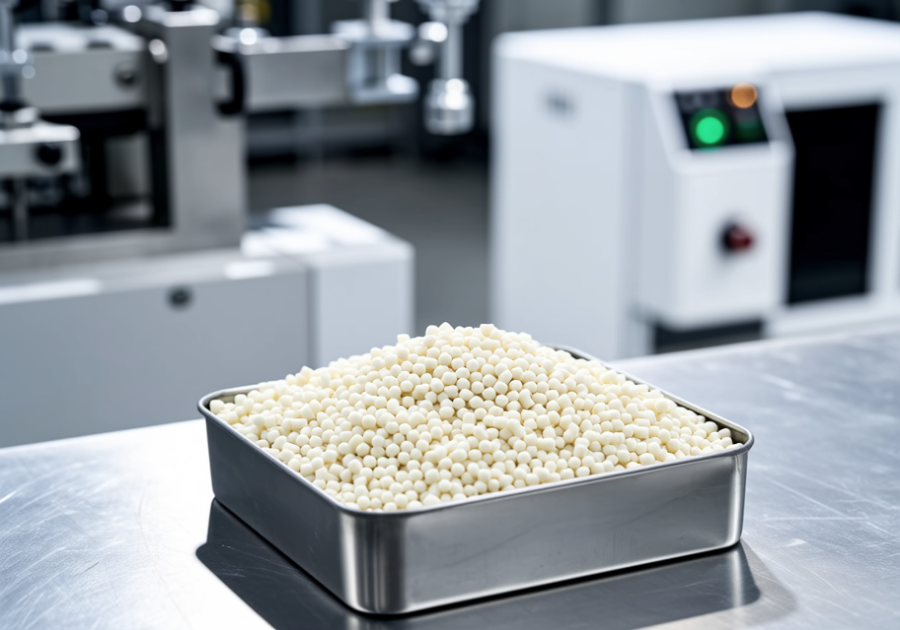
Thermoplastic polymers known as polycarbonates are distinguished by their extraordinary strength, toughness, and transparency. They are made of phosgene and bisphenol A (BPA), creating a high-performance substance with unusually mixed characteristics. Excellent impact resistance gives polycarbonates a high level of resistance to breaking or shattering even in harsh situations.
They also have exceptional heat resistance, which enables them to keep their structural integrity at high temperatures. Additionally, polycarbonates are renowned for their optical clarity, which permits the passage of light with little chromatic aberration. These characteristics, together with polycarbonate's flexibility in processing and shaping, have led to their widespread use in many industries for structural and aesthetic purposes.
How strong is Polycarbonate?
Because of its remarkable strength, polycarbonate is the perfect material for uses that call for sturdiness and impact resistance. Depending on the precise grade and formulation, its tensile strength ranges from 55 to 75 MPa (megapascals). For comparison, polycarbonate is around 200 times stronger than normal glass and about 30 times stronger than acrylic. The exceptional strength of polycarbonate makes it suitable for a wide range of practical uses across various industries. Here are some notable examples:
1. Safety Equipment: Polycarbonate is commonly used in the manufacturing of safety goggles, face shields, and protective helmets. Its impact resistance helps safeguard workers by providing a clear and robust barrier against potential hazards in industrial and construction settings.
2. Automotive Components: Polycarbonate is employed in automotive applications such as headlights, taillights, and interior panels. Its strength and impact resistance help ensure the durability of these components, even in demanding conditions. Additionally, the optical clarity of polycarbonate enhances visibility and aesthetics in automotive lighting.
3. Electrical & Electronic Enclosures: Polycarbonate is frequently utilized in the production of electrical and electronic enclosures due to its excellent insulating properties and resistance to high temperatures. It protects sensitive electronic components from environmental factors, while its strength prevents damage from impacts or accidental drops.
4. Greenhouses: Polycarbonate panels are widely used in greenhouse construction. Their strength and light-transmitting properties create a controlled environment for optimal plant growth. Polycarbonate panels can withstand hailstorms and heavy snow loads, providing protection and longevity to the greenhouse structure.
5. Architectural Glazing: Polycarbonate is employed in the construction industry for applications such as skylights, windows, and façade elements. Its strength and transparency allow natural light to enter while ensuring the safety and security of the building. Polycarbonate glazing can withstand strong winds, impacts, and extreme weather conditions.
6. Consumer Products: Polycarbonate is used in various consumer products like water bottles, food storage containers, and eyeglass lenses. Its strength and shatter resistance make these products reliable and long-lasting.
These examples answer the question of how strong is polycarbonate and demonstrate the diverse range of applications where the strength of polycarbonate is harnessed to provide durability, safety, and functional advantages.
Polycarbonate is widely utilized in diverse industrial sectors due to its exceptional properties. Its strength, transparency, and resistance to impact and chemicals make it an ideal material for numerous applications. In the manufacturing and machinery industry, polycarbonate is commonly used to create machine guards, equipment housings, and protective covers, ensuring worker safety and safeguarding machinery. Additionally, the aerospace sector benefits from polycarbonate's lightweight nature, high impact resistance, and optical clarity making it suitable for aircraft windows, canopies, and wingtip lenses.
The electrical and electronics industry leverages polycarbonate for electrical connectors, insulators, and printed circuit boards, thanks to its excellent electrical insulating properties and ability to withstand high temperatures. In the optical and display field, polycarbonate finds use in lenses, sunglasses, safety glasses, and flat panel displays, offering clear vision and durable protection. Automotive and transportation sectors rely on polycarbonate for headlights, taillights, exterior panels, and interior trim, where its strength, impact resistance, and moldability enable improved safety and aesthetic design.
Moreover, the construction industry employs polycarbonate for roofing sheets, skylights, wall panels, and noise barriers due to its strength, light transmission, and resistance to harsh weather conditions. Lastly, polycarbonate is widely used in medical devices and equipment, such as incubators, syringes, and surgical instruments, benefiting from its biocompatibility, clarity, and resistance to sterilization methods.
Wrapping Up:
This article focused on the question of how strong polycarbonate and its practical and industrial uses at the time of writing is. In conclusion, polycarbonate is an invaluable material for a variety of industrial applications due to its exceptional qualities and strength.
Looking for chemical products? Let suppliers reach out to you!
You May Interested In


Glow70/KLOW80 99% China Peptides Warehouse Direct Delivery Lyophilized Powder in Stock
$169/UNIT FOB


2026-10-25
Trade Alert
Delivering the latest product trends and industry news straight to your inbox.
(We'll never share your email address with a third-party.)

Related News
-
Three Major Indian Chemical Investments Target China's PC Exports
-
Covestro's innovative polycarbonate copolymer production plant inaugurated
-
Is Polycarbonate Flexible | What Application Does It Have?
-
Learning Polycarbonate Injection Molding: Key Factors and Best Practices
-
How Polycarbonate Chemical Resistance Protects You from Chemical Threats
-
Sumio opened a pilot polycarbonate dissolution plant in the Netherlands
-
Mitsubishi Chemical promotes commercialization of PC resin recycling
-
Evant launched laser welding polycarbonate
-
INEOS Mass Balance Raw Materials Supports Covestro Polycarbonate Production
-
Covestro Partners With SmartGuard Rx Inc., Polycarbonate Material For Anti-snoring Products
Recommend Reading
-
![Understanding the Arsenate Symbol and Its Uses]()
Understanding the Arsenate Symbol and Its Uses
-
![What Color Should a Zinc-Copper Couple Be?]()
What Color Should a Zinc-Copper Couple Be?
-
![Why You Should Never Mix Bleach and Vinegar]()
Why You Should Never Mix Bleach and Vinegar
-
![Benzoylecgonine: Detection and Testing Methods]()
Benzoylecgonine: Detection and Testing Methods
-
![High Supply Remains Firm, Weakness in ABS Market Persists at End of October in China]()
High Supply Remains Firm, Weakness in ABS Market Persists at End of October in China
-
![International Oil Prices Experience a]()
International Oil Prices Experience a "Heart-Stopping Day" as U.S.-Iran Tensions Trigger Massive Shockwaves in the Energy Market
-
![China NMPA Issues Priority Review Pathway for Four Categories of Chemical Active Pharmaceutical Ingredients, Effective August 1, 2026]()
China NMPA Issues Priority Review Pathway for Four Categories of Chemical Active Pharmaceutical Ingredients, Effective August 1, 2026
-
![Supply and Demand Bearish, Toluene Market Declines]()
Supply and Demand Bearish, Toluene Market Declines
-
![This week, the Chinese propylene oxide market showed a trend of surging and then retreating (6.15-6.18)]()
This week, the Chinese propylene oxide market showed a trend of surging and then retreating (6.15-6.18)