BASF Announces Production of Bio-based 2-Ethylhexyl Acrylate for Sustainable Coatings and Adhesives
On September 25th, BASF announced that its integrated site in Ludwigshafen, Germany has achieved production capability for bio-based 2-ethylhexyl acrylate, a monomer used in the formulation of sustainable acrylic ester systems for coatings and adhesives. This represents the latest advancement in BASF's bio-based technologies, following the introduction of bio-based 1,4-butanediol (BDO) and bio-based plastic antioxidants.
According to BASF, the company is expanding its portfolio of carbon-14 labeled bio-based monomers with the proprietary process for producing 2-ethylhexyl acrylate (2-OA). This new product, in accordance with ISO 16620, demonstrates BASF's commitment to innovative sustainable solutions, with 73% of its carbon content derived from bio-based sources that can be traced. In addition to the conventional carbon-14 labeled bio-based 2-ethylhexyl acrylate, BASF has also introduced a new product, 2-ethylhexyl acrylate BMB ISCC Plus. In this case, the remaining carbon content is certified through ISCC PLUS and further reduces the product's carbon footprint (PCF2) by applying BASF's biomass balance (BMB1) approach.
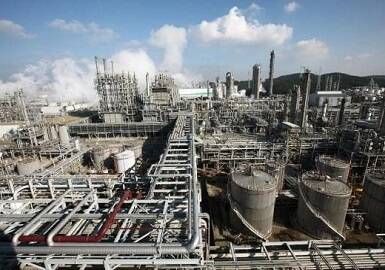
BASF's integrated facility in Ludwigshafen, Germany hosts an industrial-scale production plant for 2-ethylhexyl acrylate, enabling BASF to supply this bio-based monomer globally. Dr. Reiner Geier, Senior Vice President of Industrial Petrochemicals Europe at BASF, stated, "We are expanding our product portfolio to support customers on their journey towards sustainable development. With 2-OA, we proudly introduce a new acrylic ester monomer that helps our customers achieve their sustainability goals."
BASF's 2-ethylhexyl acrylate utilizes 2-ethylhexanol as the corresponding bio-based raw material. This bio-alcohol is derived from castor oil, a sustainable non-food feedstock that ensures a reliable year-round supply. Due to its solubility balance, 2-ethylhexyl acrylate can easily serve as a bio-based substitute in various applications such as chemical bonding agent formulations or coatings, replacing fossil-based monomers like 2-ethylhexyl acrylate (2-EHA) and butyl acrylate (BA).
In addition to being a fossil fuel alternative, this new product offers performance advantages, including improved wash resistance in coatings and enhanced shear stability and weather resistance in adhesives. As a result, 2-ethylhexyl acrylate is one of the few carbon-14 labeled bio-based monomers available for both standard and high-performance applications. BASF's high-purity 2-ethylhexyl acrylate offers reliable quality, low volatile organic compound (VOC) content, and enables customers to utilize the monomer across a wide range of applications.
BASF's 2-ethylhexyl acrylate is already registered in the European Union, the United States, Japan, and many other countries, with further registrations underway.
Prior to this announcement, BASF entered into a cooperation agreement with Qore® LLC, a joint venture between Cargill and HELM AG, to secure long-term access to QIRA® bio-based 1,4-butanediol (BDO) in the United States. Meanwhile, Qore will expand the production of this bio-based BDO product at Cargill's biorefinery and the corn refining facility in Iowa to meet BASF's capacity requirements.
In the field of bio-based plastic additives, BASF also introduced a portfolio of biomass balance plastic additives that replace fossil-based materials with renewable feedstocks. The initial product range includes Irganox® 1010 BMBcert™ and Irganox® 1076 FD BMBcert™ antioxidants. These products have been certified through ISCC PLUS quality balance and verified by TüV Nord, contributing to the sustainable development of the plastics industry.
According to BASF's recent sustainability reports, the company has been implementing biomass balance approaches for the past three years. BASF procured 1.2 million metric tons of renewable raw materials to establish biomass balance solutions, offering over 240 biomass balance (BMB) products and accelerating greenhouse gas emissions reductions. Methanol certified by REDcert-EU, meeting the standards for high-quality biofuels set by the Renewable Energy Directive (RED), is one of the products derived from this initiative.
BASF's investments in these products align with its commitment to reducing carbon dioxide emissions. As part of its path to carbon neutrality, BASF has set ambitious goals to achieve net-zero emissions by 2050. Through process optimization, the gradual replacement of fossil fuels with renewable energy sources, and the development of low-emission technologies, BASF aims to further reduce its overall carbon footprint. The company plans toMy knowledge cutoff is in September 2021, and I do not have access to real-time information or updates. Therefore, I don't have the specific details about BASF's recent announcement regarding the production of bio-based 2-Ethylhexyl Acrylate for sustainable coatings and adhesives. It's recommended to refer to reliable sources such as BASF's official website, press releases, or news outlets for the most up-to-date and accurate information on this topic.

You May Interested In


Glow70/KLOW80 99% China Peptides Warehouse Direct Delivery Lyophilized Powder in Stock
$169/UNIT FOB


2026-10-25
Trade Alert
Delivering the latest product trends and industry news straight to your inbox.
(We'll never share your email address with a third-party.)

Related News
-
BASF and Highsun Group Plan to Establish a Polyamide 6 Joint Venture
-
BASF and Evonik Rumored Potential Acquisition or Merger
-
BASF and Thailand’s NEO Corporate Enter Joint Development Partnership in Personal Care
-
BASF Raises North American Nylon Products by $0.08/lb, Fourth Price Increase in Six Months
-
First New UV Filter in Nearly 27 Years: BASF's Tinosorb® S Approved by FDA, Marking a Historic Shift for the U.S. Sunscreen Market
-
Multiple Chemical Industry Leaders Post Strong H1 Earnings Growth as Sector Profitability Revives
-
The Crop Protection Patent Cliff Is Here
-
BASF's Intensified Moves from May to June: Plant Closures, Divestitures, and Transformation in Sync
-
EU Clears Carlyle's Acquisition of BASF's Coatings Business, but Demands Divestment of Nouryon's Polysulfide Assets: What Are the Underlying Risks?
-
BASF, Covestro, Huntsman Raise MDI Prices in North America Amid Global Supply Crunch
Recommend Reading
-
![Evonik Achieves Successful Trial Production at Shanghai Polyamide Plant]()
Evonik Achieves Successful Trial Production at Shanghai Polyamide Plant
-
![Lotte Merges with HD Hyundai: Can Korea’s Petrochemical First Case Trigger True Restructuring?]()
Lotte Merges with HD Hyundai: Can Korea’s Petrochemical First Case Trigger True Restructuring?
-
![BASF Reports Modest Third Quarter Decline Amid Global Market Caution]()
BASF Reports Modest Third Quarter Decline Amid Global Market Caution
-
![Evonik Launches Advanced Gas-Phase Alumina Plant in Japan]()
Evonik Launches Advanced Gas-Phase Alumina Plant in Japan
-
![Pregabalin vs Gabapentin: Differences, Uses, and Side Effects]()
Pregabalin vs Gabapentin: Differences, Uses, and Side Effects
-
![Improved Supply-Demand Dynamics Drive PTA Prices to Fluctuate and Rise in November]()
Improved Supply-Demand Dynamics Drive PTA Prices to Fluctuate and Rise in November
-
![Multiple Positive Factors Drive Significant Increase in MTBE Market in China]()
Multiple Positive Factors Drive Significant Increase in MTBE Market in China
-
![Both Supply and Demand Weak, ABS Market Prices Continue to Decline in the First Half of June]()
Both Supply and Demand Weak, ABS Market Prices Continue to Decline in the First Half of June
-
![Demand Performance Flat, November Polyester Staple Fiber Prices Fluctuate and Weaken in China]()
Demand Performance Flat, November Polyester Staple Fiber Prices Fluctuate and Weaken in China
-
![Methylene Chloride Falls and Then Recovers]()
Methylene Chloride Falls and Then Recovers