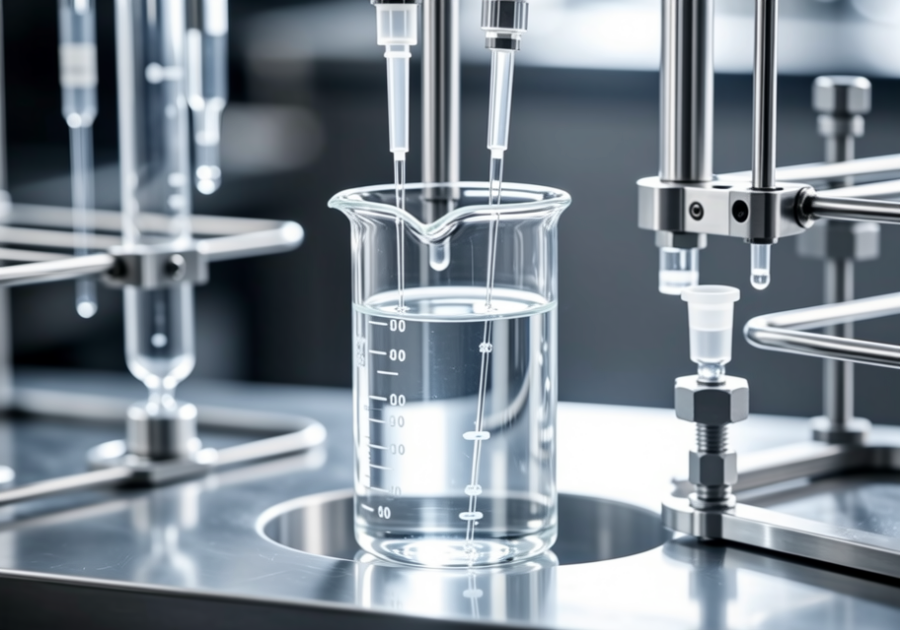
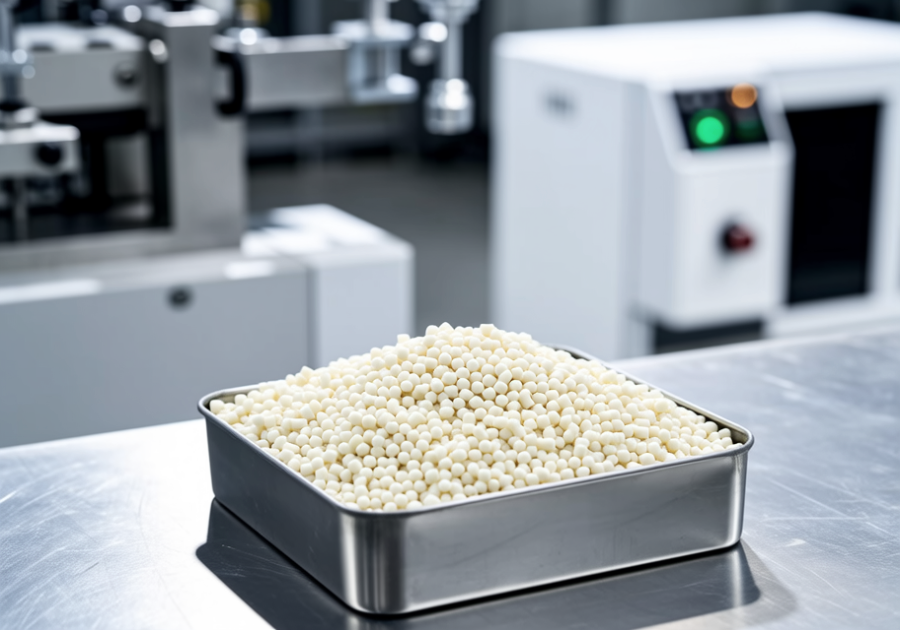
Ineos’ new cumene plant in Marl with an annual production capacity of 750,000 tons has been announced to be put into operation!
On December 18, Ineos announced that its new cumene plant with an annual production capacity of 750,000 tons in Marl, Germany, of Ineos Phenol, a subsidiary of the group, was officially put into operation. Ineos started production operations at the plant earlier this year, and the plant was originally scheduled to start production in 2021.
The plant will use existing pipeline connections between INEOS's phenol and acetone production site in Gladbeck, Germany, Evonik's chemical park in Marl and BP's refinery and steam cracker in Gelsenkirchen.
Ineos said that by combining its pioneering cumene technology with the unique heat integration of the Marl Chemical Park, the plant will reduce carbon dioxide emissions by 50% for every ton of cumene produced.
In June this year, Ineos Phenol announced that it may restructure its production operations at its Belgian Doel plant near Antwerp, citing "difficult market conditions" and the need to strengthen the competitiveness of the Antwerp-area phenol business. Ineos said at the time that the Doel plant was the world's largest phenol production facility, with a rated capacity of 680,000 tonnes per year. The plant uses cumene to produce phenol, acetone and alpha-methylstyrene.
In March 2023, Olin announced the closure of its 750,000-ton-per-year cumene unit in Terneuzen, the Netherlands. About 90% of the plant's cumene is supplied to Ineos Phenol in Antwerp, Belgium. The shutdown temporarily deprive Ineos of some of its cumene supplies and idle a phenol line at its Antwerp production facility. INEOS currently operates a 260,000 t/y cumene plant in Marl. That unit will be shut down when Marr's new unit comes online.
According to statistics, global cumene demand is currently 16.4 million tons/year and is expected to grow at a compound annual growth rate of 3.3% in the next five years. Phenol is the largest single derivative, accounting for 98% of total cumene demand. At the same time, the demand for phenol is closely related to the growth of demand for bisphenol A (BPA) and polycarbonate (PC). The global cumene production capacity in 2023 is estimated to be 21 million tons/year. By 2028, it is expected to rise to nearly 25 million tons/year, and the vast majority of the announced new capacity will be in China. The main production companies include Yanshan Petrochemical, Jilin Petrochemical, Sinopec, etc.

You May Interested In


Glow70/KLOW80 99% China Peptides Warehouse Direct Delivery Lyophilized Powder in Stock
$169/UNIT FOB


2026-10-25
Trade Alert
Delivering the latest product trends and industry news straight to your inbox.
(We'll never share your email address with a third-party.)

Related News
-
INEOS Shuts Down Europe's Last World-Scale Acetyl Production Facilities
-
Ineos Rescues UK's Last Dichloroethane Plant
-
Ineos Exits Sinopec Tianjin Joint Venture, Pays $120 Million "Breakup Fee"
-
INEOS Warns Chinese Chemical “Dumping” Is Hitting Europe’s Industry
-
A Rare Vote of Confidence: INEOS to Invest €250 Million in French Cracker Plant
-
Ineos Invests £30m to Reduce Emissions at Hull Site by 75%
-
INEOS Sells Its Health Care Business to SKG Capital Partners
-
INEOS and Covestro Sign Major Long-Term Gas Supply Agreement
-
INEOS Completes Sale of Composites Business for €1.7 billion
-
CNOOC sells US assets to INEOS
Recommend Reading
-
![Huajin Aramco RMB 83.7 Billion Project Enters Sprint Toward Trial Commissioning]()
Huajin Aramco RMB 83.7 Billion Project Enters Sprint Toward Trial Commissioning
-
![LyondellBasell's 230,000-tonne PP Plant Permanently Shut Down]()
LyondellBasell's 230,000-tonne PP Plant Permanently Shut Down
-
![Dafeng Haijianuo’s RMB 246 Million Technical Revamp Project Takes Shape, with Multiple Production Lines for Vitamin K1, Folic Acid, and Others Under Construction]()
Dafeng Haijianuo’s RMB 246 Million Technical Revamp Project Takes Shape, with Multiple Production Lines for Vitamin K1, Folic Acid, and Others Under Construction
-
![BASF Approves €1 Billion Share Buyback Program as Chemical Giant Prioritizes Capital Discipline]()
BASF Approves €1 Billion Share Buyback Program as Chemical Giant Prioritizes Capital Discipline
-
![LB Group Accelerates Overseas Investment: Securing Mines in Western Australia and Building a Plant in Malaysia]()
LB Group Accelerates Overseas Investment: Securing Mines in Western Australia and Building a Plant in Malaysia
-
![Formic Acid Moving Averages Set to Cross Upward—Rising Trend May Be About to Begin]()
Formic Acid Moving Averages Set to Cross Upward—Rising Trend May Be About to Begin
-
![Short-term correction in lithium carbonate, medium to long-term logic remains unchanged]()
Short-term correction in lithium carbonate, medium to long-term logic remains unchanged
-
![Geopolitical Deadlock and Tightening Inventories Drive Crude Oil Prices Higher on Friday]()
Geopolitical Deadlock and Tightening Inventories Drive Crude Oil Prices Higher on Friday
-
![Cost-Driven Dichloromethane Prices Continue to Rise]()
Cost-Driven Dichloromethane Prices Continue to Rise
-
![Business Society’s ABS Market Outlook for September 29, 2026: Volatility]()
Business Society’s ABS Market Outlook for September 29, 2026: Volatility