On August 21, Ineos Inovyn, the vinyl chloride subsidiary of Ineos Group, announced that it had reached an agreement to acquire the remaining 50% stake in Runcorn MCP Limited from Vynova Runcorn Limited, which had entered bankruptcy trusteeship in 2025, while also taking over the dichloroethane (EDC) production-related assets and employees at the Runcorn plant.
Runcorn MCP is the UK's only producer of dichloroethane. EDC is the primary raw material for producing vinyl chloride monomer (VCM), which is further used to manufacture polyvinyl chloride (PVC).
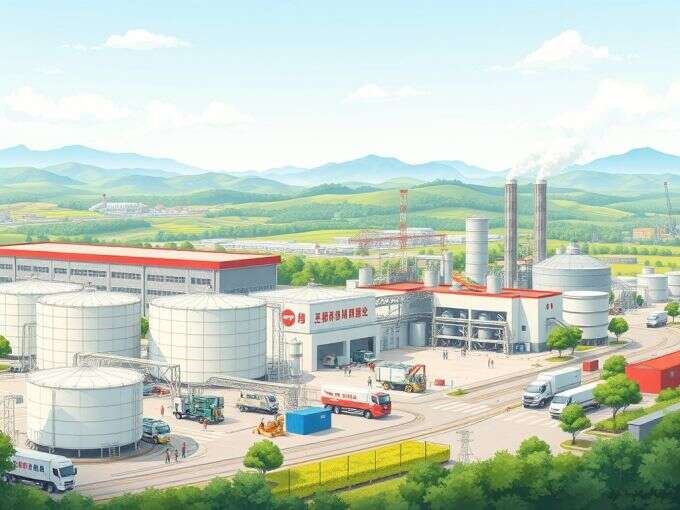
Through this acquisition, Ineos will further integrate the chlor-alkali and EDC operations at the Runcorn site, achieving centralized management of the industrial chain from chlorine and caustic soda to EDC. Runcorn MCP accounts for approximately 89% of the UK's chlorine capacity, with an annual production capacity of around 430,000 tonnes, and EDC represents a major downstream use for the site's chlorine output.
Ineos had previously held a 50% stake in the plant, meaning this acquisition brings the entire chlor-alkali and EDC value chain under full Ineos ownership.
In addition, the Runcorn plant supplies about 98% of the chlorine used for drinking water treatment in the UK. Ineos Inovyn CEO Stephen Dorsett stated that chlor-alkali products are fundamental to modern life, underpinning safe drinking water, pharmaceuticals, healthcare, and the materials needed for housing and critical infrastructure. "This acquisition is an important step in strengthening the UK's national resilience," he added.
Ineos founder Jim Ratcliffe warned last year that the European chemical industry was facing "extinction," citing "extremely high energy prices and heavy carbon tax bills." European energy prices are roughly four times those in the US, and coupled with rising carbon costs, this puts local manufacturers at a significant cost disadvantage compared to their Asian and Middle Eastern counterparts.
The UK chemical industry has contracted by 20% over the past three years. From 2022 to 2025, the number of chemical plant closures in Europe increased sixfold, with a cumulative capacity reduction of 37 million tonnes, accounting for approximately 9% of Europe's total production capacity.
Ratcliffe reiterated last month that Europe's natural gas and carbon tax costs are destroying investment appetite in the UK chemical industry.
Against the broader narrative of a European chemical industry retreat, Ratcliffe has chosen to pull the UK's last EDC production line out of bankruptcy trusteeship and take full control, ensuring that the UK's sole EDC production facility will remain within the Ineos system.