




What Is Water Soluble? Examples of Solubility in Everyday Life
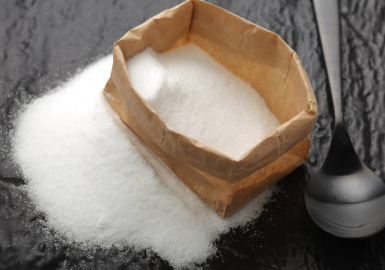
If you’ve ever spooned sugar into tea and watched it disappear, you’ve already seen what it means for something to dissolve in water. The sugar doesn’t truly vanish—it spreads out so finely that the drink looks completely smooth. The same thing happens when you add salt to cooking water, stir food coloring into lemonade, or mix baking soda into a cleaning solution. The solid separates into tiny particles that drift through the water until everything looks and tastes uniform.
But not all substances behave this way. Try stirring sand into a glass of water and it sinks stubbornly to the bottom no matter how long you mix. Cooking oil does the opposite and floats in shiny blobs unless you shake it hard or add something like egg yolk to help it blend. Bits of plastic don’t change at all—they just sit there. These materials don’t dissolve because water can’t pull their particles apart.
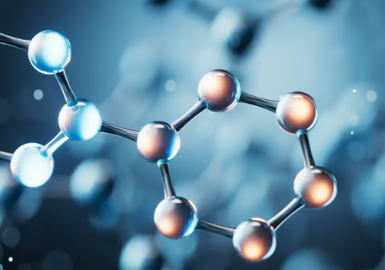
The reason comes down to the nature of water itself. Each water molecule carries a tiny uneven charge—one end slightly positive, the other slightly negative. This makes water very good at tugging on charged or partially charged particles, such as those in salt or sugar, until they separate and drift through the liquid. Oily or waxy substances don’t respond to that pull, so they stay clumped together instead of spreading out.
You can often help a solid dissolve by warming the water or stirring it. Heat makes water molecules move faster, bumping into the particles more often and breaking them apart—imagine how much easier cocoa mixes into hot milk than cold. Gases are a special case: they dissolve best in cold water under pressure, which is why a fizzy drink stays bubbly when chilled and sealed, but goes flat when warm or after the cap has been left off.
This simple concept shows up in everyday life. A cook sweetening tea, a kid swirling dye into icing, someone making a home cleaner, or a pharmacist preparing a liquid medicine—each is depending on the same principle of solubility. Knowing what dissolves (and what doesn’t) can make kitchen experiments smoother, cleaning more effective, and even help you understand how certain medicines work once they enter the body.
Looking for chemical products? Let suppliers reach out to you!
Which Is More Basic: NH₂ or OH⁻?
You May Interested In


Glow70/KLOW80 99% China Peptides Warehouse Direct Delivery Lyophilized Powder in Stock
$169/UNIT FOB


2026-10-21
Trade Alert
Delivering the latest product trends and industry news straight to your inbox.
(We'll never share your email address with a third-party.)

Related News
-
Dicalcium Phosphate: Properties, Uses, and Applications
-
Flavin Adenine Dinucleotide (FAD): Functions and Applications
-
Magnesium Chloride (MgCl₂): Properties, Uses, and Applications
-
Nature’s Blueprint, Science’s Edge: Corteva Unveils Twin Breakthroughs to Tackle the $70 Billion Insect Threat
-
Chemical Properties and Uses of Caesium Fluoride
-
Uses and Properties of Chromium Oxide
-
SiO2: Properties, Uses, and Applications
-
Applications of Copper Sulfate Pentahydrate
-
Uses of Sodium Acetate Trihydrate
-
Key Reactions and Uses of Allene
Recommend Reading
-
![Uses of Sodium Citrate Dihydrate in Food Industry]()
Uses of Sodium Citrate Dihydrate in Food Industry
-
![Applications and Safety of Sodium Dichromate]()
Applications and Safety of Sodium Dichromate
-
![Uses and Benefits of Sodium Selenite]()
Uses and Benefits of Sodium Selenite
-
![Uses of Dithiothreitol in Laboratories]()
Uses of Dithiothreitol in Laboratories
-
![Chemical Reactions and Uses of Stilbene]()
Chemical Reactions and Uses of Stilbene
-
![Coke market conditions stabilize in China]()
Coke market conditions stabilize in China
-
![Business Society’s DOP Market Outlook on August 17, 2026: Strong Consolidation with a Bullish Bias]()
Business Society’s DOP Market Outlook on August 17, 2026: Strong Consolidation with a Bullish Bias
-
![Maintenance Fails to Counter Large-Scale Supply, PP Prices Fluctuate and Fall in the First Half of November]()
Maintenance Fails to Counter Large-Scale Supply, PP Prices Fluctuate and Fall in the First Half of November
-
![February Petrocoke Market Trends: First Decline, Then Rise]()
February Petrocoke Market Trends: First Decline, Then Rise
-
![Coke Market Mostly Stabilizes, with Relatively Light Trading Activity]()
Coke Market Mostly Stabilizes, with Relatively Light Trading Activity




- Hot Searches
- retatrutide wholesale
- propylene glycol prices
- stockmeier chemicals
- elanopril
- disodium octaborate tetrahydrate distributor
- phenylpiracetam hydrazide buy
- methylamine price per gallon
- retatrutide purchase online
- ammonium nitrate prices
- ammonia nitrate prill
- retatrutide for sale online cheap
- analgi