




PPG Financials Indicate Slight Increase in Sales
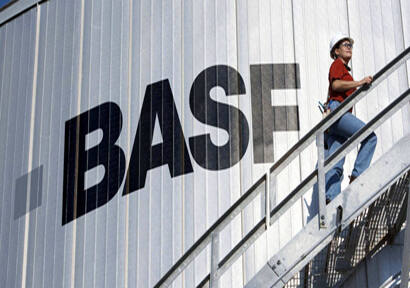
German chemicals giant, BASF, has announced its decision to stop Toluene diisocyanate (TDI) production at its Ludwigshafen production facility, due to fall in Water levels in the Rhine river to an “all-time low”.
In a press statement, the company said the despite efforts to shift to alternative means of transport such as pipeline, trucks and rail, “not all raw materials can be supplied” to the site. “Therefore, BASF will have to stop the TDI production in Ludwigshafen,” it said. The restart of production will depend on improved Rhine water level, said BASF, adding it will be in “close contact” with customers.
TDI is a key chemical for production of polyurethane flexible foams and non-foam urethanes.
BASF had announced in August that it had to cut back part of its production due to low Rhine levels, but did not specify which products were affected.
Covestro, another key German chemicals player, had also that its operations were interrupted by the low water levels in Rhine. The company had lowered earnings (EBITDA) to “slightly below” the level of 2017 due to stronger-than-expected competition and the low water level of the Rhine river, which has resulted in production losses and higher logistics costs. The River rhine is a key transport route for the European chemical industry. This is because many of the industry’s plants are located on the river. Low water levels reduce the number of chemical barges that can navigate the river. This means lower production for plants on the river, such as Leverkusen, Dormagen and Ludwigshafen.

You May Interested In






2026-07-23
Trade Alert
Delivering the latest product trends and industry news straight to your inbox.
(We'll never share your email address with a third-party.)

Related News
-
Givaudan to Build New Fragrance Compounding Facility in Pedro Escobedo, Mexico
-
Clariant and FUHUA Establish Joint Venture to Co-Develop Halogen-Free Flame Retardants
-
Korea’s Antitrust Probe Targets Coatings Price Hikes as Five Major Players Come Under Investigation
-
India Removes Import Tax on 40 Petrochemical Products
-
Brenntag Partners with Givaudan to Supply Active Cosmetic Ingredients and Raw Materials to Thailand
-
China Is Finally Moving on Petrochemical Plants, and This Time Low-Efficiency Capacity Really Is Being Forced Out
-
South Korea Initiates Anti-Dumping Probe on Chinese PVC Suspension Resin, Involving Tianjin Bohua and Wanhua Chemical
-
BASF to Build Ammonium Hydroxide Plant in Ludwigshafen, Strengthening Its Electronic-Grade Chemicals Supply Network
-
Evonik Restructures Strategic R&D and Aims to Move Projects into Application Within Five Years
-
Saudi Arabia Flips the Switch on Jafurah: World’s Largest Non-U.S. Shale Gas Field Begins Production
Recommend Reading
-

Production Down 6%, Profits Cut by $3.7 Billion: Middle East Conflict Hits ExxonMobil Hard
-

Titanium Dioxide: Stuck Between Weak Upside and Limited Downside
-
In late September, the overall market trend for maleic anhydride in China slightly declined
-
BASF and Clariant Exit Quietly! Behind Henkel’s High-Priced Acquisition, Why Did Former Allies Choose to “Let Go”?
-
Intercos Plans Acquisition of US Companies to Expand Beyond Cosmetics
-
Energy and Chemical Futures Plunge Across the Board; PET Shows Resilience Against Declines
-

This week, caustic soda prices were weak (2.2-2.6)
-
Fundamentals Weaken, Adjusting; Polyester Staple Fiber Prices Slightly Decline
-
Cost-side Repeated Fluctuations & High-Level Maintenance—PP Market to Experience Volatile Performance in Early April
-
This week, the TDI market in China saw a slight increase (2.2-2.6)