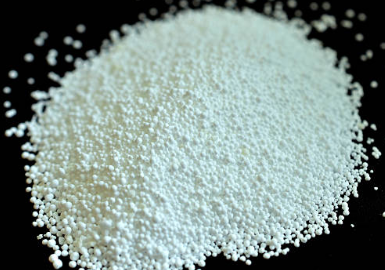
The Benefits of Alpha-Lipoic Acid for Skin Health
People look for better skin condition every day, and various substances for application are chosen to achieve the desired effect. The alpha lipoic acid for skin is among the versatile compounds under observation. This thorough article will look at what is alpha lipoic acid, its modes of action and how putting this product in your skincare routine can lead you to healthy and beautiful skin.
Understanding Alpha-Lipoic Acid:
The body produces alpha-lipoic acid in only meager quantities because it is an incredibly effective antioxidant. It greatly contributes to energy metabolism, functioning in water, as well as a fat-soluble environment. Although dietary supplements like spinach, broccoli, and organ meats are among the sources of this vitamin, the use of its formulation in cosmetics is fast rising since it may be applied to the skin thus contributing to the enhancement of its healthy status. The benefits of alpha lipoic acid for skin include:
1. Antioxidant Properties:
The alpha lipoid is a powerful antioxidant. It works through free radicals, which are unstable molecules that can cause damage to skin cells, leading to wrinkles. The important step in preserving the life of the skin is this protective measure against oxidative stress.
2. Anti-Inflammatory Effects:
A lot of skin diseases, such as acne, rosacea, and the problem of aging, have inflammation as one uniting point. The alpha lipoic acid is anti-inflammatory which could help in the soothing of irritated skin and the reduction of the redness. Therefore, it is an important part of the skincare regimen, especially for those who suffer from inflammatory skin conditions.
3. Collagen Production:
Skin elasticity and firmness are dependent on collagen, which is a type of structural protein. Alpha-lipoic acid is known for stimulating collagen formation that provides more flexible and younger-looking skin. Signs of aging are best tackled through this collagen-boosting effect.
4. Enhanced Antioxidant Network:
Unlike other antioxidants such as vitamins C and E, alpha-lipoic acid can regenerate itself. Moreover, other antioxidants are rejuvenated by this component, thus leading to an increase in the resistance of skin tissue against oxidation. The collective work strengthens an antioxidant network, which is beneficial for healthy skin.
5. Improved Skin Texture:
Alpha-lipoic acid can assist cellular energy production which may also result in better skin texture. Energy metabolism that is enhanced supports the normal cellular function of the skin hence smoothness and radiance.
Addressing Specific Skin Concerns:
1. Anti-Aging Benefits:
Alpha lipoic acid contains strong antioxidant and collagen-boosting properties. With repeated exposure, one can minimize the look of wrinkles and regain one’s natural “young” skin look.
2. Acne and Blemish Control:
The anti-inflammatory properties of alpha-lipoic acid may also help in the management of acne and skin blemishes. It soothes inflammations and reduces the skin redness that supports other acne-fighting skincare agents in a full routine.
3. Hyperpigmentation Reduction:
Alpha-lipoic acid is especially helpful in managing uneven skin tone, as well as other forms of hyperpigmentation. Through its antioxidant activity, it may provide some support to a balanced complexion when factoring in those external elements which cause darkening of the skin.
4. Dryness and Hydration:
It has been suggested that this may also increase the level of skin hydration as a result of increasing cellular function. It could help those with dry skin because of its ability to boost skin barrier function and maintain moisture in the skin.
Incorporating Alpha-Lipoic Acid into Skincare:
1. Topical Formulations:
A topical formulation of alpha-lipoic acid can be found in creams, serums, and masks, for example. Buyers should also take cognizance of the concentration of alpha-lipoic acid and the general formula to be sure that they harmonize well with an average person’s skin type.
2. Consistency is Key:
As one of such skincare ingredients, consistency in usage is important for the alpha lipoic acid effect to be optimally experienced. Use it according to the product instructions, but please do so with patience because improvement in skin health cannot happen overnight.
3. Complementary Ingredients:
Another significant component of a skincare routine is alpha-lipoic acid, which can also work as an additional ingredient. The products can be combined due to their unique ability to address different problems in skincare at the same time.
Considerations and Precautions:
When using alpha lipoic acid for skin following points must be noted at hand:
1. Sensitivity:
A consultation with a dermatologist might be needed for people with sensitive skin or skin conditions before starting to use alpha-lipoic acid. Irritation of the skin can be reduced by using patch tests and gradually introducing them.
2. Sun Protection:
Any skincare regimen must include proper UV protection. Like many active ingredients, alpha lipoic acid may increase sun sensitization of the skin. By using a broad-spectrum sunscreen regularly, one can protect their skin even more and avoid additional harm.
Conclusion:
For this reason, alpha lipoic acid for skin is proving to be an up-and-coming skincare component for a healthy glow. It possesses anti-oxidants, and anti-inflammatory components together with the ability to boost collagen thus having diverse uses on the skin which range from signs of aging to acne and hyperpigmentation problems.
Our quest for good skin starts with knowing what is needed by one’s skin and then formulating a custom routine for it. Alpha-lipoic acid does provide many benefits but an effective skincare routine should take into consideration lifestyle issues, protection from the sun, as well as healthy skin in general.
Looking for chemical products? Let suppliers reach out to you!
You May Interested In


2026-10-01
Trade Alert
Delivering the latest product trends and industry news straight to your inbox.
(We'll never share your email address with a third-party.)

Related News
-
What is Amylum Starch? (Old Terminology & Modern Equivalent)
-
What is Element Stibium? (Antimony Facts & Uses)
-
Polystyrene (PS): Properties, Foam Applications, and Recycling Challenges
-
Magnesium Stearate in Supplements: Is it Safe? (Vegan Status & Function)
-
EDTA (Ethylenediaminetetraacetic acid): Chelation Therapy & Industrial Uses
-
Polyvinyl Alcohol (PVA): Properties, Uses, and Industrial Applications
-
Etilen Vinil Acetato: Properties, Uses, and Applications
-
Potassium Sorbate in Food: Safety, Uses, and Alternatives
-
Aluminum Sulfate: Industrial and Water Treatment Applications
-
Gellan Gum (E418): Vegan Thickener vs. Xanthan Gum in Food
Recommend Reading
-
![Sodium Hydroxide Reactions: With Aluminum, Acids, and Metals]()
Sodium Hydroxide Reactions: With Aluminum, Acids, and Metals
-
![Acetophenone: Properties, Uses, and Applications]()
Acetophenone: Properties, Uses, and Applications
-
![TBHQ: Uses, Safety, and Health Effects]()
TBHQ: Uses, Safety, and Health Effects
-
![Sodium Percarbonate: Uses, Benefits, and Safety]()
Sodium Percarbonate: Uses, Benefits, and Safety
-
![Acetonitrile: Properties, Uses, and Safety]()
Acetonitrile: Properties, Uses, and Safety
-
![Business Society September 29, 2026 Ethyl Acetate Trend Analysis: Volatility]()
Business Society September 29, 2026 Ethyl Acetate Trend Analysis: Volatility
-
![Business Society August 13, 2026 Acetone Market Perspective: Bearish Trend]()
Business Society August 13, 2026 Acetone Market Perspective: Bearish Trend
-
![Business Society’s BDO Market Outlook on September 3, 2026: Clearly Upward]()
Business Society’s BDO Market Outlook on September 3, 2026: Clearly Upward
-
![Business Society September 29, 2026 PET Trend Analysis: Volatile with a Slight Bullish Bias]()
Business Society September 29, 2026 PET Trend Analysis: Volatile with a Slight Bullish Bias
-
![Business Society’s Market Outlook for Ethyl Acetate on August 13, 2026: Fluctuating Trend]()
Business Society’s Market Outlook for Ethyl Acetate on August 13, 2026: Fluctuating Trend