




EPA to be Sued Over Paint-Stripper Ban
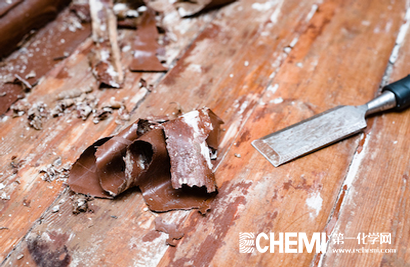
Early last week, a group of workers and environment and public health advocates notified the Environmental Protection Agency of its intent to sue the agency over its failure to finalize a ban on the use of methylene chloride in paint strippers.
The group, which is also joined by the mothers of two men who recently died from methylene chloride exposure, says that the EPA has violated its public commitments and legal obligations to finalize the ban.
Early last week, a group of workers and environment and public health advocates notified the Environmental Protection Agency of its intent to sue the agency over its failure to finalize a ban on the use of methylene chloride in paint strippers.
“One life is one too many to have been lost to this deadly chemical,” said Wendy Hartley, whose 21-year-old son died from methylene chloride exposure in April of last year, in an emailed press release.
“We have lost loved ones due to the chemical industry's and the EPA's inaction to ban methylene chloride. Retailers have stepped up to save lives. How many more people will the EPA allow to die before they ban methylene chloride?”
What Happened
The group’s action refers to the Toxic Substances Control Act, which requires the EPA to regulate chemicals that present an unreasonable risk to human health or the environment. In January 2017, the Obama administration determined that methylene chloride places consumers, workers and bystanders at an unreasonable risk of injury and proposed to ban its use in paint strippers.
In May 2018, the EPA promised to finalize that ban, but it has taken no action since then. At the time, the EPA said that, as part of its requirement in the switch from the Lautenberg Chemical Safety for the TSCA, it was nearing completion of the Problem Formulations portion of a review of 10 specific chemicals, and has made a decision on methylene chloride.
The update said that the EPA:
intended to finalize the methylene chloride rulemaking;
is not re-evaluating the paint stripping uses of methylene chloride and is relying on its previous risk assessments; and
is working to send the finalized rulemaking to the White House Office of Management and Budget shortly.
The previous risk assessment that the announcement referred to was the January 2017 determination, when the agency proposed prohibiting the consumer and commercial paint-stripping uses for the chemical.
In May 2018, the EPA promised to finalize that ban, but it has taken no action since then. At the time, the EPA said that, as part of its requirement in the switch from the Lautenberg Chemical Safety for the TSCA, it was nearing completion of the Problem Formulations portion of a review of 10 specific chemicals, and has made a decision on methylene chloride.
At that time, the EPA said that dangers with regard to methylene chloride include death (due to asphyxiation), liver toxicity, kidney toxicity, reproductive toxicity and certain cancers.
“Some of these health effects result from a very short, acute exposure; others follow years of occupational exposure,” the EPA noted.
The 2017 277-page proposal called for a prohibition on the manufacture (including import), processing, and distribution of these chemicals in commerce.
The proposal also talked about restricting the sale of small-volume products and requiring companies to notify retailers and others in the supply chain regarding such prohibitions.
“EPA’s inaction on this admittedly deadly chemical is unsafe and unlawful. The law does not allow [the] EPA to drag its feet while lives hang in the balance,” said Earthjustice attorney Jonathan Kalmuss-Katz, counsel for the Labor Council for Latin American Advancement, a party in the forthcoming lawsuit.
In the absence of action from the EPA, several paint manufacturers and box stores have discontinued the manufacturing or sale of products that contain methylene chloride.
Looking for chemical products? Let suppliers reach out to you!

You May Interested In

Industrial Grade 99.9% High Purity Ethyl Acetate Organic Solvent
$800-850/MT FOB

Industrial Grade 99% Caustic Soda in Flake Pearl and Solid Forms
$350-400/MT FOB


Toluhydroquinone 99.0%Min White to off-white crystalline powder RC00005
$36.5-47.4/KG EXW
2026-07-11
-
Paint & Coating Industry Overview Mar.2025
This issue provides analysis of the European and German coatings markets, as well as the latest monthly reports and price trends of coatings-related chemical raw materials. Support online permanent download.Published in: Mar.2025
Trade Alert
Delivering the latest product trends and industry news straight to your inbox.
(We'll never share your email address with a third-party.)

Related News
-
Paris Chaos: The Importance of Fire-resistant Coatings for Vehicles in the Face of Riots
-
AkzoNobel to supply Porsche China with complete water-based refinish products
-
Eastman sales revenue down 12%
-
KCC Organic Waterborne Waterproofing Releases The drying speed is shortened to a quarter of that of oil-based waterproofing
-
Ineos to build a new 250,000 tons/year vinyl acetate monomer plant
-
The best in history! Jordan's revenue rose 22 percent year on year to 8.7 billion yuan
-
Overcapacity! Is the chemical industry facing a shakeout?
-
Guangdong Petrochemical's 50tons/year polypropylene plant was successfully started up in one go
-
Manufacturing prices of chemical raw materials and products fell 1.1% month-on-month in January
-
Revenue from chemicals sales in the UK fell sharply
Recommend Reading
-

€500 Million Polyamide Shake-Up! BASF Takes Full Control of French Production Hub in Bold Move
-

10.5km Propylene Pipeline Goes Live at Sinochem Lianyungang First Ship Unloading Completed Ahead of Schedule
-

China Achieves 3000m Breakthrough with Subsea Electromagnetic Tech Deepwater Oil and Gas Exploration Sets Three Industry Firsts
-

Dow’s Q2 Losses Soar to $801 Million Sales Drop 7% as Global Chemical Slump Deepens
-

WACKER Launches Next-Gen Polysilicon Line in Germany 50 Percent Capacity Boost Targets Semiconductor Demand
-

Downstream Demand Releases, Formic Acid Prices Steadily Rise
-
This Week's Acetic Acid Market Continues to Show Strength
-

Nestlé Drops Artificial Colors Worldwide by 2026: Food Additives Face a Reformulation Shock
-

4 Pharma Firms Lose Licenses in Jammu and Kashmir Amid Illegal Drug Sales Crackdown
-

China’s Hybio Takes Generic Tirzepatide to FDA: Lilly’s GLP-1 Fortress Gets a Warning Shot