India's Punjab state banned 10 high-residue pesticides, including Carbendazim and Acephate
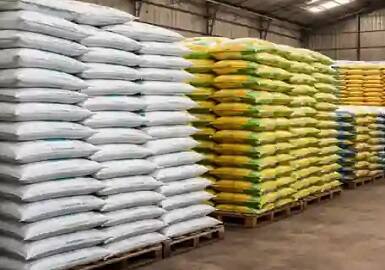
The Ministry of Agriculture and Farmers' Welfare of the Indian state of Punjab has issued a notice banning the sale, distribution and use of 10 pesticides with high residues in the state from July 15, 2024, in order to protect the product quality and export trade of its specialty Basmati rice.
The 10 pesticides that were banned were Carbendazim, Buprofezin, Chlorpyrifos, Hexaconazole, Propiconazole, Thiamethoxam, Profenofos, Imidacloprid, Acephate and Tricyclazole. The State Government, in accordance with the Insecticides Act 1968 (Central Act 46/1968) and all other powers conferred upon it in this regard, has decided to prohibit the sale, distribution and use of all formulations of these insecticides in Punjab for a period of sixty days.
The decision was made due to concerns over excessive levels of pesticide residues in Basmati rice. According to the rice Exporters Association of the state, pesticide residues in many fragrant rice samples exceeded the maximum residue limit, which may affect foreign export trade.
The authorities will also monitor the sale of these pesticides at the point of delivery and encourage growers to adjust agricultural practices in a timely manner to adopt alternatives. But the pesticide association opposed the decision, fearing it would affect the sale of pesticides for other crops.

You May Interested In


High Quality β-Nicotinamide adenine dinucleotide CAS 53-84-9 NADwith ready stock and best price
$3E+1/UNIT FOB


2026-10-23
Trade Alert
Delivering the latest product trends and industry news straight to your inbox.
(We'll never share your email address with a third-party.)

Related News
-
Adama's Acephate insecticide's crop registration in Brazil was extended to beans and peanuts
-
Shandong Lubachem terminated the IPO
-
China agrochemical industry weekly(0628)
-
The US EPA issued new regulations for Chlorpyrifos, and Corteva and Gharda voluntarily canceled many products
-
China agrochemical industry weekly(0524)
-
Brazil approves UPL's innovative insecticide Feroce (Acephate + Bifenthrin) for bed bug (Diceraeus melacanthus )control
-
The U.S. Environmental Protection Agency (EPA) has proposed to ban Acephate and keep it for injectable use only in trees
-
Lier(Guangan) plans to build 10000 t/a Sodium 3,5,6-trichloropyridin-2-olate construction project
-
China agrochemical industry weekly(0412)
-
The US EPA issued an endangered species protection notice, restricting the use of organophosphorus pesticides such as Chlorpyrifos
Recommend Reading
-
![Urea Prices Surge as India Faces Critical Shortages: Will China’s Export Quotas Provide Relief?]()
Urea Prices Surge as India Faces Critical Shortages: Will China’s Export Quotas Provide Relief?
-
![Death Toll from Fire at China-Russia Amur Polyolefins Project Rises to 15 as Construction Continues]()
Death Toll from Fire at China-Russia Amur Polyolefins Project Rises to 15 as Construction Continues
-
![South Korea to Impose Anti-Dumping Duties on Caustic Soda: Chinese Mainland Firms Face Up to 22.21%, Taiwan Region 38.89%]()
South Korea to Impose Anti-Dumping Duties on Caustic Soda: Chinese Mainland Firms Face Up to 22.21%, Taiwan Region 38.89%
-
![Chinese Urea Producers Receive a Timely Boost as Second Round of 2026 Export Quotas Nears 2 Million Tons]()
Chinese Urea Producers Receive a Timely Boost as Second Round of 2026 Export Quotas Nears 2 Million Tons
-
![EU Eyes Rare Trade Tool as PET, Epoxy Resin and Glass Fibre Face Import Curbs]()
EU Eyes Rare Trade Tool as PET, Epoxy Resin and Glass Fibre Face Import Curbs
-
![Business Society’s Market Outlook for Maleic Anhydride on September 9, 2026: Volatile]()
Business Society’s Market Outlook for Maleic Anhydride on September 9, 2026: Volatile
-
![This Week's Acetic Acid Market Continues to Rise in China]()
This Week's Acetic Acid Market Continues to Rise in China
-
![Business Society’s September 10, 2026 Butadiene Market Outlook: Volatile]()
Business Society’s September 10, 2026 Butadiene Market Outlook: Volatile
-
![November Activated Carbon Prices Rise in China]()
November Activated Carbon Prices Rise in China
-
![Business Society’s Market Outlook for Propylene Oxide on September 9, 2026: Volatile]()
Business Society’s Market Outlook for Propylene Oxide on September 9, 2026: Volatile