Does sugar alcohol cause gas | Detailed Explanation
Why is the market for sugar alcohols becoming increasingly popular in these years? Can it replace sugar and are there any side effects? Does sugar alcohol cause gas? If you have these questions, this article will show you the answers.
Under the wave of healthy consumption, the public often turns pale when it comes to "sugar". The World Health Organization has repeatedly pointed out that excessive intake of sugar can increase problems such as dental caries, obesity, diabetes, and high cholesterol. Under the trend of consumption upgrading, consumers have increasingly high demands for nutrition and health, and they are also beginning to realize the harm of consuming too much sugar.
Sugar alcohol vs sugar
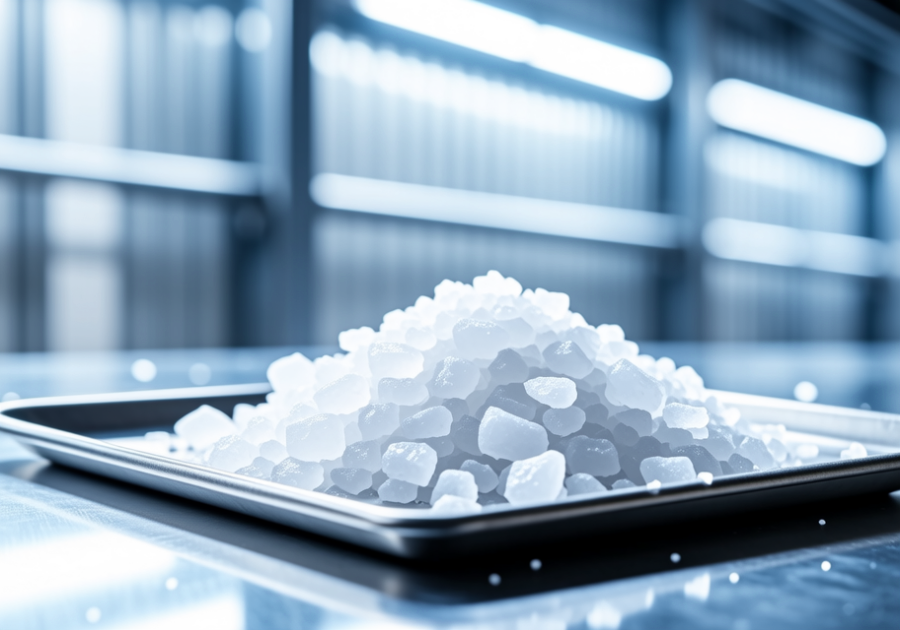
Sugar alcohol is both an artificially synthesized compound and exists in nature. Its chemical structure is similar to glucose, but it contains - OH or alcohol. It is sweet, but its digestion method is different from glucose. Most sugar alcohols can only be partially digested, producing fewer calories and carbohydrates.
Sugar alcohol and sugar are different in the following aspects.
1. Different water-absorbing quality
Sugar can only dissolve in water, while sugar alcohols can dissolve in ethanol because it contain two hydroxyl groups. Therefore, sugar alcohols have better stability and anti-crystallization properties, especially its transparency is higher than ordinary white sugar.
2. Different safety
From a property perspective, sugar alcohols are safer. Because we consume too much sugar every day, if there are really side effects, the harm to human health will be greater. So, healthy sugar substitutes like sugar alcohols naturally become the direction of future food development.
What’s more, from a nutritional perspective, sugar alcohols are extracted from grains and do not contain any chemically synthesized substances, which makes them even healthier than regular sugars.
Besides, sugar alcohol is not a substance that produces acid after decomposition, and it basically does not cause bacteria to synthesize insoluble polysaccharides. Therefore, sugar alcohol is a substance that is difficult to cause dental caries formation.
3. Different storage
From a storage perspective, sugar alcohols are prone to oxidation. If stored in a sealed environment, they will slowly undergo a Maillard reaction, causing them to turn black, while sugar will not experience such problems. So in terms of shelf life, sugar alcohols have a longer shelf life and are more resistant to storage.
4. Different effects on insulin
Sugar is easily broken down in the gastrointestinal tract to produce glucose, which increases the concentration of glucose in the blood and stimulates the secretion of large amounts of insulin.
However, sugar alcohol is difficult for the human body to digest and absorb, so it has little effect on the concentration of glucose in the blood, therefore, it has no stimulating effect on insulin secretion, which can reduce insulin secretion.
5. Different effects on fat
Insulin not only has the function of promoting glucose metabolism but also promotes fat metabolism in the blood. It can promote the entry of glucose into adipocytes, allowing energy to accumulate and form fat. So when the human body consumes both fats and sugars, the glucose produced by the breakdown of sugars stimulates the secretion of insulin, which promotes the generation of fat in the body and causes fat accumulation. This is also why sugar oil mixtures can easily lead to weight gain.
And sugar alcohol basically does not stimulate insulin secretion. If sugar alcohol is added to high-fat foods instead of sucrose, it can to some extent reduce the increase in body fat caused by these foods. This is also why many weight loss friends choose sugar alcohol as a substitute for sugar.
Side effects of sugar alcohol
Does sugar alcohol cause gas? Yes. After entering the large intestine, sugar alcohol will remain in the intestinal cavity due to poor absorption. It will be fermented by bacteria to produce gas. At the same time, it will increase the osmotic pressure in the intestine, causing the water in the intestinal cells to be sucked out by the concentration gradient formed by external osmotic pressure. These excess water will cause the stool to become thinner.
Osmotic diarrhea caused by sugar alcohols usually requires fasting and waiting for the sugar alcohols to be completely processed and excreted, and the symptoms of diarrhea will be gone. Besides, in addition to diarrhea, common intolerance symptoms caused by sugar alcohol actually include increased exhaustion, bloating, etc. In severe cases, abdominal pain and dehydration caused by diarrhea can also be seen, such as headaches.
Conclusion
This article mainly talks about the difference between sugar and sugar alcohol. People choose sugar alcohol because it’s equally sweet and much safer than sugar. However, it also has side effects. Does sugar alcohol cause gas? I’m sure you already know the answer.
Looking for chemical products? Let suppliers reach out to you!
You May Interested In


2026-10-06
Trade Alert
Delivering the latest product trends and industry news straight to your inbox.
(We'll never share your email address with a third-party.)

Related News
Recommend Reading
-
![Polyester Bottle Flakes Surge in June, Then Plunge Sharply]()
Polyester Bottle Flakes Surge in June, Then Plunge Sharply
-
![Business Society’s Market Outlook for Natural Rubber on September 17, 2026: Volatile Consolidation]()
Business Society’s Market Outlook for Natural Rubber on September 17, 2026: Volatile Consolidation
-
![Insufficient Rigid Demand in China's Formic Acid Market, Prices Falling]()
Insufficient Rigid Demand in China's Formic Acid Market, Prices Falling
-
![Caustic Soda Prices Overall Upward in June]()
Caustic Soda Prices Overall Upward in June
-
![Business Society’s Market Outlook for Butadiene Rubber on September 17, 2026: Short-Term Upside Potential Is Limited]()
Business Society’s Market Outlook for Butadiene Rubber on September 17, 2026: Short-Term Upside Potential Is Limited