Corn syrup vs high fructose | Detailed Explanation
Corn syrup vs high fructose, both belong to sweeteners. We can get corn syrups from corn and high fructose from some fruits and plants. They can supplement energy for the human body, and can also be quickly absorbed and utilized by the body. Therefore, they can help alleviate fatigue and weakness in the body.
Raw material and production method: corn syrup vs high fructose
Below are the raw materials and production methods of corn syrup vs high fructose.
Corn is the main source for making corn syrup. The production method mainly includes the following steps:
1.Raw material processing: Firstly, remove the embryo and bran of corn and process them into corn residue. This step is to ensure the smooth progress of subsequent processing.
2.Soaking: Soak the corn residue for 12 to 24 hours to fully absorb water and facilitate the subsequent grinding process.
3.Grinding: Adding malt and amylase while grinding. The dosage of malt is 2% to 5%, and the dosage of amylase is adjusted according to its activity unit.
4.Saccharification: This process requires stirring to evenly heat the material until it reaches boiling point. It takes around 2 hours.
5.Cooling: When the material temperature drops to 60℃, add malt slurry and keep it warm for 4 hours.
6.Filtration: Boil the material, and then use filtering equipment to separate the syrup.
7.Boiling: This process is to evaporate excess water to get the desired concentration. Corn syrup is not suitable for long-time boiling, otherwise, it will reduce sugars and affect the quality of the syrup.
Corn syrup can be produced through the above seven steps. It is colorless and transparent. It has a mild and pure sweet taste.
Fructose is present in various fruits and honey. The content of fructose in honey is between 34% to 46%, and it varies among different types of honey. Litchi is rich in vitamin C and fructose, its content of fructose ranges from 9% to 14%. The content of fructose in melon ranges from 11% to 16%.
One method for getting high fructose is through natural raw material extraction. Below are the six steps:
1.Raw material preparation: Honey, lychee, or melon can all be chosen as raw materials. Firstly, remove impurities and solid particles from them.
2. Solvent extraction: Extract the high fructose from the raw materials.
3. Purification: Purify the extracted high fructose solution to remove impurities and solvents.
4. Decolorization: Decolorize the solution to remove impurities such as pigments.
5. Concentration: Concentrate the solution to get the concentrated high fructose.
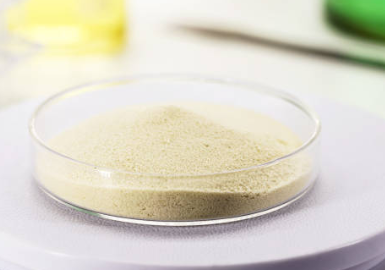
6. Drying: Dry the solution and turn it into a powdered state.
Pure high fructose can be extracted through the above six steps.
Benefits of corn syrup vs high fructose
Corn syrup vs high fructose, both of them can bring people benefits in the following aspects.
1.Supplement energy
Corn syrup comes from corn, its nutritional value is relatively high. It contains a large amount of sugar and high-quality protein, so people can supplement energy with it.
While high fructose has a high sweetness. It can directly enter the liver, be quickly absorbed by the body, and be converted into instant energy to provide energy for the body.
2.Improve immunity
Corn syrup contains plenty of dietary fiber, vitamins, and all kinds of minerals, they can provide the human body with the necessary nutrients and stimulate gastrointestinal motility. Therefore, it can improve the human body’s immunity and resistance.
High fructose can also improve the body's immune system. It can promote calcium absorption and reduce liver burden. Besides, it can reduce the symptoms such as colds, periodontitis, and skin aging.
3.Improve hypoglycemia: For patients with low blood sugar levels, corn syrup and high fructose can improve symptoms of hypoglycemia and increase blood sugar levels gradually.
Conclusion
This article mainly talks about two sweeteners: corn syrup vs high fructose. You can find the raw materials and production methods of these two substances. They can both help people supplement nutrition and energy, improve hypoglycemia and immunity. However, excessive intake may lead to elevated blood sugar levels, weight gain, and other conditions. Therefore, it is advisable to eat in moderation, and people with diabetes are not recommended to eat corn syrup or high fructose.
Looking for chemical products? Let suppliers reach out to you!
You May Interested In


Glow70/KLOW80 99% China Peptides Warehouse Direct Delivery Lyophilized Powder in Stock
$169/UNIT FOB


2026-10-15
Trade Alert
Delivering the latest product trends and industry news straight to your inbox.
(We'll never share your email address with a third-party.)

Related News
-
Applications of Diphenyl Cyanide
-
Chemical Properties of Dibenzylideneacetone
-
Vanillin: Properties, Uses, and Safety
-
Applications of Copper Sulfate Pentahydrate
-
Chemical Reactions and Uses of Stilbene
-
Uses of Dithiothreitol in Laboratories
-
Sodium Nitrate: Fertilizer, Food Curing, and Explosive History
-
Aluminum Oxide (Al2O3): Abrasive Uses, Ceramic Applications, and Safety
-
Isoascorbic Acid: Uses and Safety
-
Nature’s Blueprint, Science’s Edge: Corteva Unveils Twin Breakthroughs to Tackle the $70 Billion Insect Threat
Recommend Reading
-
![Understanding PCl5: Compound Name and Uses]()
Understanding PCl5: Compound Name and Uses
-
![Understanding Titanium Oxide: Properties and Uses]()
Understanding Titanium Oxide: Properties and Uses
-
![Uses and Properties of Copper Acetate]()
Uses and Properties of Copper Acetate
-
![Sodium Alginate: Properties, Uses, and Benefits]()
Sodium Alginate: Properties, Uses, and Benefits
-
![Tert Butylate: Properties and Applications]()
Tert Butylate: Properties and Applications
-
![Business Society’s PTA Trend Analysis for September 16, 2026: Volatile]()
Business Society’s PTA Trend Analysis for September 16, 2026: Volatile
-
![October Activated Carbon Prices First Rise, Then Fall]()
October Activated Carbon Prices First Rise, Then Fall
-
![Since December, China’s phenol market has accelerated its downward trend and is now fluctuating at low levels]()
Since December, China’s phenol market has accelerated its downward trend and is now fluctuating at low levels
-
![FDA approves bemotrizinol, a long-used UV filter, for U.S. sunscreens]()
FDA approves bemotrizinol, a long-used UV filter, for U.S. sunscreens
-
![Business Society’s Trend Analysis for Polyester Staple Fiber on September 16, 2026: Volatile]()
Business Society’s Trend Analysis for Polyester Staple Fiber on September 16, 2026: Volatile