Lysine Is Hydrophobic or Hydrophilic? In-depth Insight
When delving into the molecular structure of lysine, a frequent question arises: lysine is hydrophobic or hydrophilic? In response to this, it is possible to examine the molecular character of lysine and how it relates to water, as this affirms the hydrophobic/hydrophilic nature of a molecule.
Lysine is an amino acid that cannot be synthesized in the body and is a vital component in many biochemical processes such as the synthesis of protein, enzymes, hormones, maintenance of cell membrane integrity as well as immune function. Because the human body cannot synthesize lysine on its own, it is considered an essential nutrient to the body.
What Lysine is made up of as a Molecular Structure
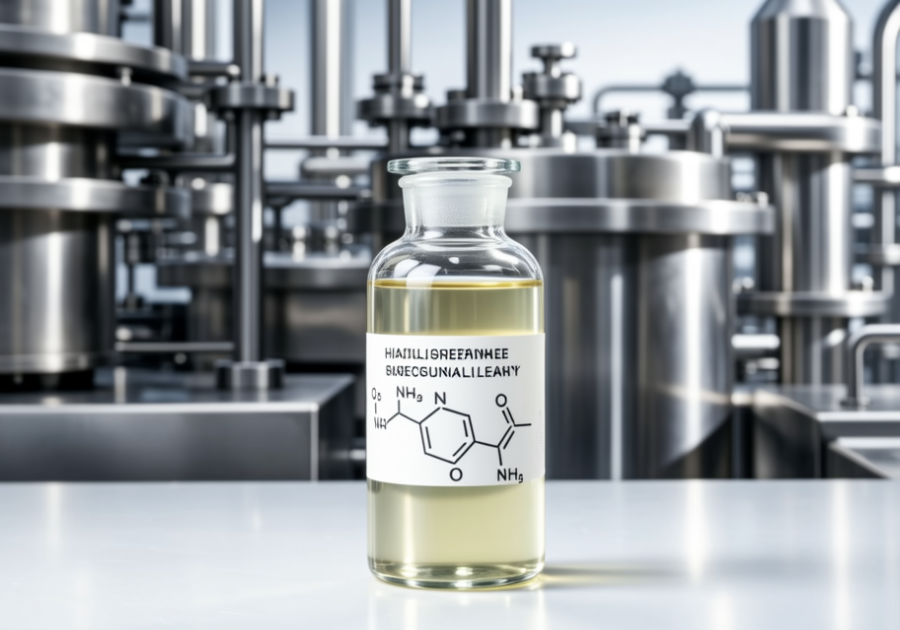
Lysine is a basic amino acid since it has an amino group (-NH2) on its side chain which in physiological pH converts to NH3+. This positive charge has a great impact on the identification of “lysine is hydrophobic or hydrophilic?” since charged lysines are hydrophilic because they can bind to water molecules through hydrogen bonds.
In most cases, the hydrophobic molecules do not possess such charges and instead are quite polar and their interaction with water is repellent while the interaction with most other polar particles is more preferential.
Whereas, as the side chain of lysine possesses a positive charge, it is apparent that lysine dissolves in an aqueous solution as it can interact with polar water molecules thereby suggesting that lysine is hydrophilic.
The Affinity of Lysine with Water
Lysine is highly hydrophilic and this characteristic can be seen in the interaction of the amino acid within protein structures especially in the folding of these proteins in aqueous solutions.
During the protein folding process, the hydrophilic amino acids such as lysine are present on the outer surface of the protein in contact with water. This interaction is vital for the stability and solubility of the protein since the water molecules surround the protein with the layer of hydration, maintaining the correct protein folding.
On this basis, it would be possible to argue that, while determining whether “lysine is hydrophobic or hydrophilic?”, it is significant to take into account the fact that lysine is observed to be in excess on the surface of proteins and in contact with water, which confirms that lysine is hydrophilic.
Lysine’s Participation in Biochemistry
The hydrophilicity of lysine is one of the factors for protein stability and functionality of these proteins in different biochemical reactions. For example, lysine residues are always attached to regions of the enzyme specimen that come into contact with substrate molecules during catalysis where ionic and hydrogen bonds are formed.
Moreover, due to its positive charge, lysine is involved in the formation of salt bridges that are ionic interactions playing the role of stabilizing proteins and complex contents of the cells. Lysine is therefore hydrophilic and vital in the context of the functions of many biological systems.
Biological Activity and Significance of Lysine in Biotechnology
In the field of biotechnology, lysine is utilized mainly in the protein purification processes, including affinity chromatography, due to its hydrophilic behavior.
As lysine is hydrophilic and positive in charge, it means it can be employed in cases where the target molecules or surfaces are negative, therefore making it possible to separate and purify proteins from complicated solutions.
This ability to engage with other molecules based on the charge and Hydrophilicity is also applied in drug formulation as seen where the incorporation of Hydrophilic amino acids like Lysine boosts the solubility and therefore bioavailability of therapeutic protein and peptides.
As is evident in the reactions above, knowing whether “lysine is hydrophobic or hydrophilic?” is thus not only an academic quest but also one of applied significance in fine-tuning biotechnological processes and products.
Conclusion
Therefore, we can say that summing up the issue of defining “lysine is hydrophobic or hydrophilic?”, one has to take into account its molecular features and interaction with aqueous media. Due to the presence of the positively charged side chain, lysine is considered to be hydrophilic, since it forms hydrogen bonds and forms other ionic interactions with water molecules.
This hydrophilic property forms the basis of lysine function in protein structure and other functions as well as in biotechnological applications since it is used to attract water and other polar molecules in applications such as stability, solubility and purification.
The analysis of lysine properties improves our awareness of the chemical and biological characteristics of amino acids not only in terms of the specific field of amino acid chemistry but also provides important information for the more general areas of biochemistry, molecular biology, as well as biotechnology, where the hydrophilic character of lysine plays a major role in stability and function of proteins and other biomolecules.
Looking for chemical products? Let suppliers reach out to you!
You May Interested In


Glow70/KLOW80 99% China Peptides Warehouse Direct Delivery Lyophilized Powder in Stock
$169/UNIT FOB


2026-10-20
Trade Alert
Delivering the latest product trends and industry news straight to your inbox.
(We'll never share your email address with a third-party.)

Related News
-
Understanding Titanium Oxide: Properties and Uses
-
Applications of Caesium Iodide
-
Calcium Sulfate: Properties, Uses, and Applications
-
Sodium Hypochlorite: Uses, Concentration Guide, and Critical Safety Hazards
-
Isopropyl Alcohol (IPA) vs Ethanol: Which Solvent or Disinfectant is Better?
-
Acetophenone: Properties, Uses, and Applications
-
Chemical Properties and Uses of Tetraetil
-
Acetonitrile: Properties, Uses, and Safety
-
Sodium Percarbonate: Uses, Benefits, and Safety
-
TBHQ: Uses, Safety, and Health Effects
Recommend Reading
-
![Sodium Nitrate: Fertilizer, Food Preservative, and Chemical Properties]()
Sodium Nitrate: Fertilizer, Food Preservative, and Chemical Properties
-
![What is Sodium Hipoklorit? (Definition, Uses & Safety)]()
What is Sodium Hipoklorit? (Definition, Uses & Safety)
-
![Glycopyrronium: Pharmaceutical Applications, Mechanism, and Chemical Specs]()
Glycopyrronium: Pharmaceutical Applications, Mechanism, and Chemical Specs
-
![Methanol Methyl Alcohol vs Ethanol: Toxicity, Fuel Uses, and Industrial Solvent Safety]()
Methanol Methyl Alcohol vs Ethanol: Toxicity, Fuel Uses, and Industrial Solvent Safety
-
![Uses of Sodium Citrate Dihydrate in Food Industry]()
Uses of Sodium Citrate Dihydrate in Food Industry
-
![Business Society’s Ethyl Acetate Trend Analysis for September 17, 2026: Moderate Pullback]()
Business Society’s Ethyl Acetate Trend Analysis for September 17, 2026: Moderate Pullback
-
![December Phosphate Market Trends Fluctuate and Decline in China]()
December Phosphate Market Trends Fluctuate and Decline in China
-
![Business Society’s Trend Analysis for Isooctanol on September 11, 2026: Stagnation and Price Increase Warning]()
Business Society’s Trend Analysis for Isooctanol on September 11, 2026: Stagnation and Price Increase Warning
-
![Business Society’s Phenol Trend Analysis for September 18, 2026: Relatively Strong Performance]()
Business Society’s Phenol Trend Analysis for September 18, 2026: Relatively Strong Performance
-
![2025 Titanium Dioxide Market Review and 2026 Outlook]()
2025 Titanium Dioxide Market Review and 2026 Outlook