Trisodium Phosphate (TSP) in Food: Uses, Safety, and What You Need to Know
Trisodium Phosphate — commonly abbreviated as TSP — may sound like a chemical you’d expect in cleaning products rather than in food. But the truth is, it’s a widely used additive that plays an important role in many processed foods we consume every day.
As someone who has worked with food science and formulation for several years — both in academic research and industry applications — I’ve come across many questions about TSP. This article aims to explain what TSP is, how it's used in food, why it’s added, and whether it’s safe to consume.
What Exactly Is Trisodium Phosphate?
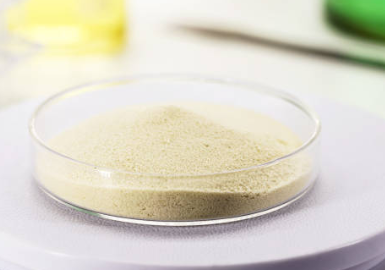
Trisodium Phosphate (Na₃PO₄) is an inorganic compound that appears as a white powder or granular substance. It dissolves easily in water and is known for its alkaline properties.
While TSP is also used in industrial cleaners and detergents, the version used in food is highly purified and strictly regulated. In fact, the U.S. Food and Drug Administration (FDA) and the European Food Safety Authority (EFSA) both recognize it as a generally safe food additive when used within recommended limits.
I remember working on a project involving cheese emulsification during my time at a food manufacturing company. We relied on phosphate compounds like TSP to maintain texture and consistency — a common practice in the industry.
Why Is TSP Used in Food?
1. Maintaining Texture and Stability
One of the most important roles of TSP in food is acting as an emulsifier and stabilizer. It helps prevent ingredients from separating, especially in products like cheese spreads, canned soups, and processed meats.
For example, in cheese production, TSP allows manufacturers to achieve a smooth, melt-resistant texture by binding calcium ions and adjusting pH levels. Without it, some of your favorite convenience foods might not have the same creamy mouthfeel or shelf stability.
2. Controlling pH Levels
TSP is effective at regulating acidity and alkalinity in food. By maintaining the right pH balance, it supports microbial safety and extends shelf life while preserving flavor and appearance.
In baked goods, for instance, small amounts of TSP can help dough rise more evenly by creating a favorable environment for yeast activity. I’ve seen this principle applied in bread and pasta formulations during lab trials.
3. Enhancing Nutritional Value
Phosphorus is an essential mineral involved in bone health, energy metabolism, and cellular function. In some cases, TSP is added to fortified foods to increase their phosphorus content, especially in products where nutrients may be lost during processing.
How Is TSP Used in Cooking?
Although TSP is more commonly associated with industrial food production, it does occasionally appear in specialized cooking practices.
Cleaning Fruits and Vegetables
Because of its alkaline nature, TSP can effectively remove waxes, pesticides, and surface contaminants from produce. However, it’s crucial to rinse thoroughly after use to avoid any residue.
This method is sometimes used in large-scale food preparation but is less common in home kitchens due to availability and safety concerns.
Improving Dough and Baked Goods
Some professional bakers use TSP to adjust the pH of dough, which can improve gluten development and yeast performance. The result is better volume, texture, and crumb structure in breads and pastries.
Is Trisodium Phosphate Safe to Eat?
Yes — but like anything, it comes down to how much and how often you consume it.
The FDA and EFSA have set clear guidelines on the maximum allowable levels of TSP in different types of food. These limits ensure that consumers aren’t exposed to harmful amounts.
That said, people with kidney issues should be cautious. Excess phosphorus intake — from additives like TSP — can be hard on the kidneys, especially if they’re already compromised.
From a clinical nutrition perspective I learned during continuing education courses, individuals on restricted diets (such as those with chronic kidney disease) are often advised to limit high-phosphate additives found in processed foods.
Consumer Awareness and Label Reading
If you're concerned about food additives, reading ingredient labels is key. Trisodium Phosphate typically appears as “Trisodium Phosphate” or “Sodium Phosphate” on packaging.
It’s most commonly found in:
- Processed cheeses
- Canned sauces and gravies
- Instant noodles
- Some breakfast cereals
- Baking powders
Being aware of these sources helps you make informed decisions based on your dietary needs and preferences.
Looking for chemical products? Let suppliers reach out to you!
You May Interested In


Glow70/KLOW80 99% China Peptides Warehouse Direct Delivery Lyophilized Powder in Stock
$169/UNIT FOB


2026-10-25
Trade Alert
Delivering the latest product trends and industry news straight to your inbox.
(We'll never share your email address with a third-party.)

Related News
-
Sodium Hydroxide (Caustic Soda): Soap Making, Cleaning, and pH Control Guide
-
Potassium Nitrate Reactions & Uses (KNO3)
-
L-Alanine: Amino Acid Profile, Sports Nutrition, and Metabolic Role
-
Key Reactions of Cobalt Chloride
-
Uses and Properties of 3-Methyl-1-Butanol
-
Chemical Properties and Applications of Cyclopropen
-
Sulfur Hexafluoride (SF6): Applications and Safety
-
Key Reactions and Uses of Lithium Aluminum Hydride
-
France’s Vineyards Find a New Shield: Eden’s Mevalone Enters the Frontline of a Changing Fungicide Era
-
India Unleashes a Triple-Action Defender: Parijat Introduces NILANIX SC into the Rice Battlefront
Recommend Reading
-
![Sodium Alginate: Properties, Uses, and Benefits]()
Sodium Alginate: Properties, Uses, and Benefits
-
![What is Sodium Hipoklorit? (Definition, Uses & Safety)]()
What is Sodium Hipoklorit? (Definition, Uses & Safety)
-
![Sodium Nitrate: Fertilizer, Food Preservative, and Chemical Properties]()
Sodium Nitrate: Fertilizer, Food Preservative, and Chemical Properties
-
![Glycopyrronium: Pharmaceutical Applications, Mechanism, and Chemical Specs]()
Glycopyrronium: Pharmaceutical Applications, Mechanism, and Chemical Specs
-
![Sodium Hypochlorite: Uses, Concentration Guide, and Critical Safety Hazards]()
Sodium Hypochlorite: Uses, Concentration Guide, and Critical Safety Hazards
-
![Business Society September 24, 2026 Isooctanol Trend Analysis: Clear Decline]()
Business Society September 24, 2026 Isooctanol Trend Analysis: Clear Decline
-
![Business Society’s Trend Analysis for Ammonium Sulfate on September 15, 2026: Stagnation and Price Increase Warning]()
Business Society’s Trend Analysis for Ammonium Sulfate on September 15, 2026: Stagnation and Price Increase Warning
-
![Business Society September 23, 2026 Epoxy Chloropropane Trend Analysis: Volatility (Bearish)]()
Business Society September 23, 2026 Epoxy Chloropropane Trend Analysis: Volatility (Bearish)
-
![China’s New Food-Contact Standards Take Effect, Resetting Compliance for Coatings and Silicone Rubber]()
China’s New Food-Contact Standards Take Effect, Resetting Compliance for Coatings and Silicone Rubber
-
![Business Society’s Melamine Trend Analysis on September 15, 2026: Downward Trend]()
Business Society’s Melamine Trend Analysis on September 15, 2026: Downward Trend