




Pfizer Warns Germany: Drug Pricing Could Put Investment at Risk
Pfizer CEO Albert Bourla has warned that Germany’s proposed drug pricing policies could put planned pharmaceutical investments in the country at risk.
In a letter to German Chancellor Friedrich Merz, Bourla criticized the lack of predictability created by the proposed legislation, arguing that it makes long-term pharmaceutical investment planning more difficult.
Pricing Policy Is Becoming Industrial Policy
The dispute reflects a broader tension across Europe. Governments are trying to control healthcare spending, while drugmakers argue that aggressive pricing pressure can reduce incentives for innovation and manufacturing investment.
Drug pricing is no longer only a healthcare budget issue. It is becoming an industrial competitiveness issue.
Germany wants to remain a major location for pharmaceutical production, R&D and high-value life sciences investment. But if companies believe pricing rules are unpredictable, they may reconsider where to place future projects.
The warning follows similar investment pullbacks or reassessments by other pharmaceutical companies in Germany.
Europe Faces a Difficult Balance
For governments, lower medicine costs can reduce pressure on public health systems. For drugmakers, however, lower pricing visibility can weaken the commercial case for major investment.
This creates a difficult balance: Europe wants affordable medicines, but it also wants secure local production and innovation capacity.
If pricing reform is too aggressive, the risk is not only lower margins. It may also be fewer future investments.
For the pharmaceutical supply chain, Germany’s policy debate will be watched closely by companies deciding where to locate production, clinical development and advanced manufacturing.
Looking for chemical products? Let suppliers reach out to you!

You May Interested In

β-Nicotinamide Adenine Dinucleotide High Quality NAD+ CAS 53-84-9 Exclusive Production Factory CAS NO.53-84-9
$75/UNIT FOB


2026-06-24
-


Life Sciences Industry Overview
The coverage spans the global life sciences industry across pharmaceuticals and food & nutrition, tracking the shift from lowest-cost sourcing to supply continuity, quality, and risk management, along with product trends and the growing edge of differentiated, globally capable players.Published in: June.2026
Trade Alert
Delivering the latest product trends and industry news straight to your inbox.
(We'll never share your email address with a third-party.)

Related News
-
FDA Approves Datopotamab Deruxtecan for Second Indication 45 Percent Response Rate in EGFR Mutant Lung Cancer
-
UK Parliament Approves Assisted Dying Bill 7500 Could Seek Euthanasia Annually
-
4 Pharma Firms Lose Licenses in Jammu and Kashmir Amid Illegal Drug Sales Crackdown
-
Over 100 Foreign Pharma Executives Join Chinese Firms in 5 Years Industry Faces Key Challenges
-
Merck’s New CMV Drug Approved in China Targets Nearly 40000 HSCT Patients
-
Trump Warns of 200 Percent Tariffs on Pharma Companies by August 1 India Trade Deal Among Top Priorities
-
Emcure Seals Exclusive Deal for Sanofi’s Oral Diabetes Brands Millions of Indian Patients to Benefit
-
AstraZeneca Rare Disease Drug Misses Phase 3 Target Hope Shifts to Subgroup Data
-
Over 22,000 New Cases in India AstraZeneca Gets CDSCO Green Light for Muscle-Invasive Bladder Cancer Drug
-
60 Percent Workforce Held by Top 10 Firms! China’s TCM Industry Faces Fierce Reshuffle as Private Leaders Expand Fast
Recommend Reading
-

Biological E Partners with Recbio to Bring HPV9 Vaccine to India and Global Markets
-

NATO Fund Invests $35 Million in Biotech Startup to Counter Biological Threats
-

Lupin Secures Tentative U.S. Approval for Its Multiple Sclerosis Tablet
-

Novo Nordisk Faces $46 Billion Windfall Threatened by Wegovy Missteps and Eli Lilly’s Rise
-

Lilly’s U.S. API Investment Highlights a New Phase of Pharma Supply Localization
-
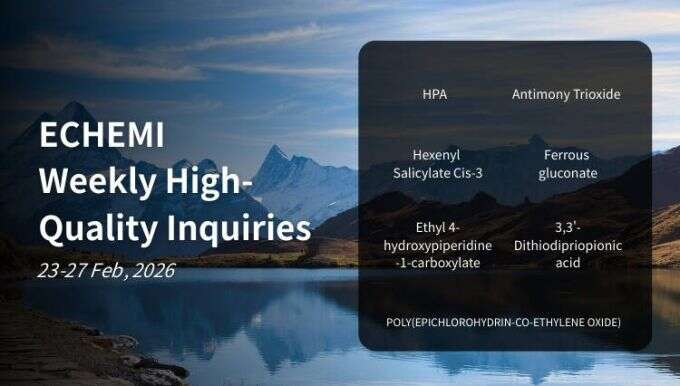
Premium Global Chemical Sourcing Requests (23 - 27 Feb, 2026)
-
Aniline: Applications, Hazards, and Safety Guide in Industrial Use
-

What Are Hydrolysis, Oxidation, and Condensation?
-

Global Chemical Exports Are Freezing in 2026
-

Wacker Opens Biotechnology Center in Munich