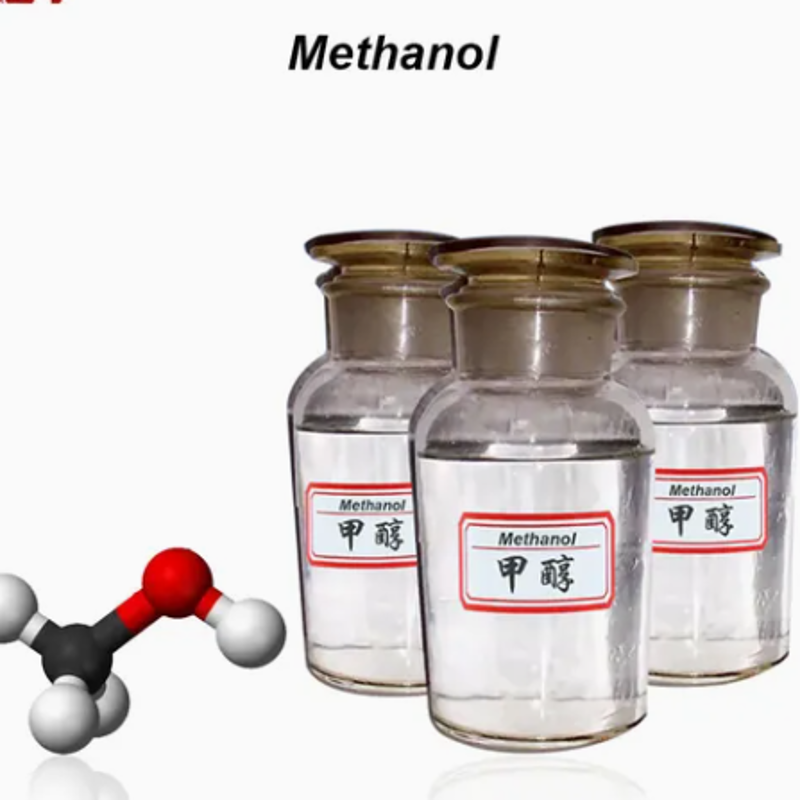
November 5th, according to the news
[Key Takeaway] In the short term, methanol is likely to trade in a bearish range amid a tug-of-war between bulls and bears, but significant downside is unlikely given low inventories and cost support.
The latest available data is up to November 4, 2026, and it is recommended to refer to real-time data.
1. Average Difference Change Table
| Mean Difference Type | Value on 2026.11.04 | Value on 2026.11.03 | Direction of Change |
|---|---|---|---|
| 5-Day Mean Difference (D5) | -43.33 | -9.33 | - |
| 10-Day Mean Difference (D10) | -37.34 | -45.17 | + |
| 20-Day Mean Difference (D20) | -11.00 | -2.92 | - |
2. Signal Status Judgment
The current three deviation change direction combinations are (-, +, -), which belong to a rebound (bearish) signal.
3. Trend Direction Conclusion
The current trend is volatile (with a bearish bias). Reasons: The changes in the three averages compared to the previous day are not entirely consistent, which does not meet the criteria for a Clear Uptrend or downtrend but fits the standards for a volatile trend with a bearish bias. Fundamentally, the large-scale reduction and shutdown of MTO facilities suppress demand, and the port inventory is starting to accumulate, putting pressure on prices. However, tighter overseas supply, plant maintenance in China, cost support from coal prices, and low absolute inventory levels provide some support to prices. In the short term, the market will continue to be volatile due to the tug-of-war between bullish and bearish factors.
4. Position and Spatial Reference
Methanol 60-day cycle price is in the 2nd tier (lower middle) out of 5, 3-month cycle price is in the 3rd tier (middle), and 1-year cycle price is in the 4th tier (upper middle). The short-term downward space is limited, and the upward movement is suppressed by weak demand, with similarly limited space.
6. Risk Warning
The above analysis is for reference only and does not constitute trading advice.